INCREDIBLE UNESCO WORLD HERITAGE SITES IN TUNISIA (& TENTATIVE SITES)
Last Updated on 28th February 2026 by Bejal
Tunisia is home to a remarkable collection of UNESCO World Heritage Sites that showcase its rich history, from ancient Roman cities and Islamic architecture to well preserved archaeological landscapes. Visiting these sites offers a unique opportunity to experience thousands of years of cultural exchange and understand why Tunisia has played such an important role in Mediterranean and world history. Many of these are incredibly well preserved, as we discovered during our visit and in this article, we want to showcase x UNESCO World heritage sites in Tunisia and how best to explore them.
Pin & Save
Short of time? No problem, Pin & Save to Pinterest & refer back to at your leisure
What are UNESCO World Heritage Sites?
We wanted to start with a definition, as we hear so much about UNESCO, which stands for the United Nations Educational, Scientific and Cultural Organisation. UNESCO funding primarily comes from member states and nations like the U.S, China and Japan, plus support from international organisations and private sector partners.
UNESCO World Heritage Sites are defined as places around the world recognised for their outstanding cultural, historical, scientific, or natural importance to humanity. They are protected and preserved because they represent heritage which is deemed irreplaceable and helps tell the story of Earth and human civilisation.
Sites are categorised into
- Cultural (monuments – This is where most of Tunisia’s sites fit).
- Natural – (ecosystems or geological formations such as Biosphere Reserves).
- Mixed – (both Cultural and Natural).
- According to the 1972 Convention Concerning the Protection of the World Cultural and Natural Heritage (which provides a framework for international co-operation and protection), a site has to meet at least one of the ten selection criteria, advocating that it goes far beyond national limits.
Do You Need a Local Guide?
In our experience, it’s a unanimous Yes! During our 14 day trip to Tunisia we were glad that we hired a guide. We say this because personally we were not aware of the depth of history of the UNESCO sites in Tunisia, and although at places like Carthage there are information boards about the area, you need the background history in greater depth to understand sections and areas of the sites. For example, many of the sites are former Roman cities and centre around a main Capitol and baths, a solarium and so on.
During our 14 day Tunisia itinerary, we had a guide throughout the trip, which helped us learn and absorb a lot more about the history of the country and the Roman empire, placing a better significance on each of the UNESCO sites we visited.
If you have not booked the services of a guide for your whole trip, we’d recommend booking a day tour, which will generally include admission and transport too.
We would recommend these day tours to some of the more well-preserved sites in Tunisia.
How to Get to The Sites?
Some of the sites are pretty easy to get to, for example, if you’re staying at one of Tunisia’s beautiful boutique hotels or guesthouses which is based in based in Tunis or Sidi Bou Said (as we did), then Carthage, Tunis Medina is a simple taxi ride or train ride away. However, for more remote locations like El Djem or Dougga, we’d suggest taking an organised day trip. We have included suggestions below.
The Complete List of UNESCO World Heritage Sites in Tunisia
Tunisia has 8 UNESCO World Heritage sites recognised for their cultural and natural significance.
- Amphitheatre of El Djem – The largest and best-preserved Roman amphitheatres in the world.
- Archaeological Site of Carthage – The remains of the powerful ancient Phoenician and Roman city.
- Medina of Tunis – Historic old city with mosques, palaces, and traditional architecture.
- Kairouan – One of the most important Islamic cities, known for the Okba Mosque of Kairouan.
- Dougga (Thugga) – An incredibly well preserved Roman city set in rural surroundings.
- Ichkeul National Park – A natural site and wetland prominent for migratory birds.
- Medina of Sousse – A fortified coastal city with strong Islamic architectural heritage.
- Kerkouane and its Necropolis – A Punic city preserved in its original state.
- Djerba – Testimony to a settlement pattern in an island territory.
Tentative UNESCO List Sites in Tunisia
As well as the inscribed World Heritage sites, Tunisia also has a tentative list of 16 properties that can be considered for nomination. The Tentative sites are a mix of natural landscapes, archaeological treasures, traditional settlements, geological features and historic infrastructure, which Tunisia can nominate for full UNESCO World Heritage status in the future. This can only be done, as they are already on the Tentative List (a place has to be on a Tentative list to be nominated for full UNESCO status).
| Village of Sidi Bou Saïd. | Ancient Numidian marble quarries. |
| Rammadiya d’El Magtaa (El Mekta), Site of Capsian culture. | Roman Frontier remains. |
| Archaeological site of Sbeïtla. | Sfax Medina. |
| Troglodyte dwellings and ksour of southern Tunisia, including Chenini. | The Royal Mausoleums of Numidia, Mauretania, and Pre-Islamic Funerary Monuments. |
| Jugurtha Tableland or Jugurtha’s Table. | El Feija National Park. |
| Marine Permian of Jebel Tebaga. | Bouhedma National Park. |
| Geological boundary stratotype. | Chott El Jerid – The Salt Lakes. |
| The Roman Hydraulic Zagouan-Carthage Systems. | Gabès Oasis. |
During our visit to Tunisia we visited El Djem Amphitheatre, Tunis Medina, Carthage archaeological site, Kairouan, Dougga, Djerba, plus the tentative sites of Sidi Bou Said and Chott El Jerid, Zaghouan-Carthage Hydraulic Complex.
A List of UNESCO Listed Sites We Visited
Tunis Medina
- Location: Tunis.
- Find it Here: Map Location.
- Inscription Date: 1979.
- Category: Cultural.
This is one of the best ways to discover Tunis’ lively UNESCO World Heritage listed medina, consisting of a labyrinth of alleyways. There are all kinds of goods sold here, the medina has the traditional horseshoe shape and is split into areas such as gold and silver outlets, carpets, perfumes, household goods, leather and more. Prepare to haggle and never pay the first price you’re offered! You can totally visit this independently or as an organised tour. The medina’s most notable monument has to be the Zitouna Mosque, which is not open to non Muslims. It has beautiful Arabic architecture with a square minaret and reused Byzantine columns. On your way out of the lanes, note the traditional bathing Hammams, the boys’ Madressa school and traditional houses. The Tunis Medina is often referred to as one of North Africa’s oldest Arab settlements.
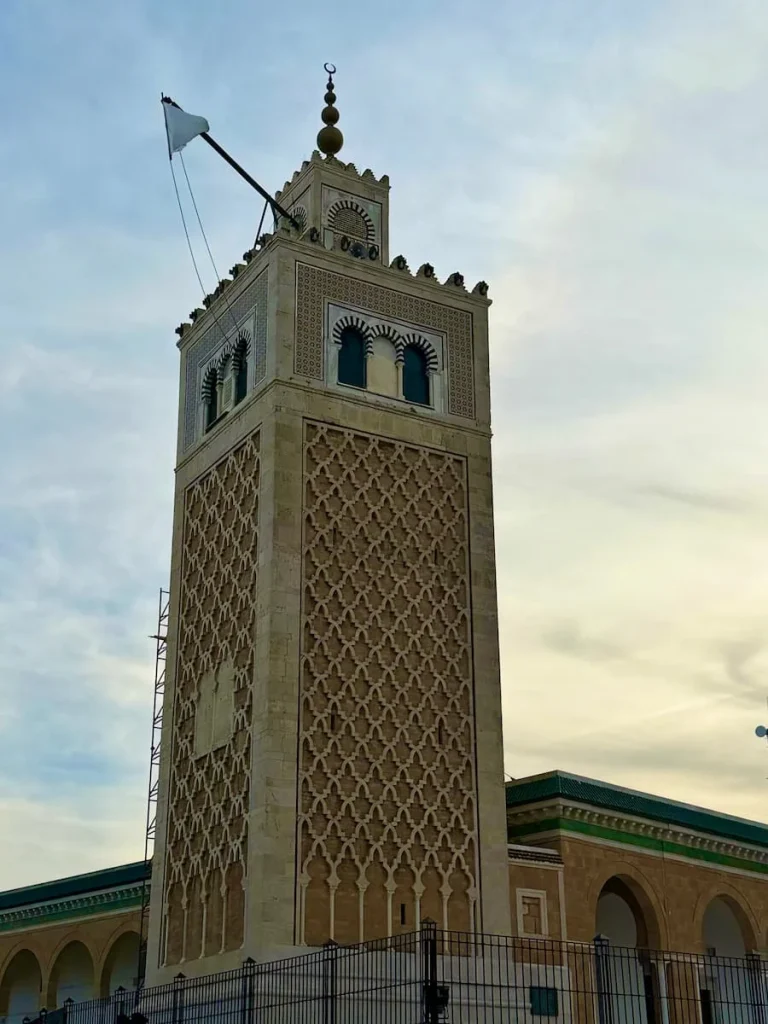
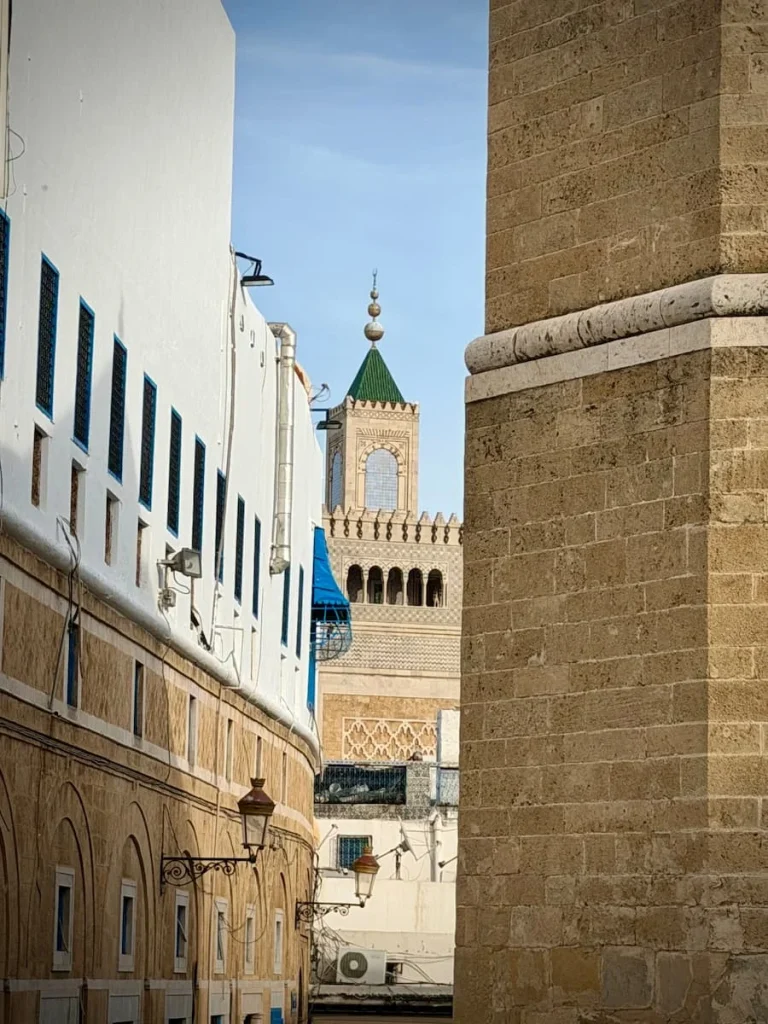
MOSQUE MINURETS IN TUNI MEDINA
Archaeological Site Of Carthage
- Location: Tunis.
- Find is Here: Map Location.
- Inscription Date: 1979.
- Category: Cultural.
Carthage was once known as the capital of a powerful empire that dominated much of North Africa until it was occupied by Rome and became the epicentre of importance in Roman Africa.
It is thought that Ancient Carthage, between 814-146 BC, was mainly ruled by aristocrats as well as elected magistrates referred to as suffetes. We learnt from our guide that Queen Dido was the first queen and founder of the ancient Phoenician city of Carthage, with Hannibal Barca later being in charge of military operations.
Located only 15 Km from Tunis, the Punic ruins of ancient Carthage are simply breathtaking. This was once a prominent trading base with a population of over half a million and the home of a great empire, as well as Carthaginian General Hannibal Barca. Hannibal tried his hardest to fight the Romans but lost two centuries BC. Almost half a century later, ‘Delenda est Carthage’ the elder Cato told the Roman Senate, Carthage must be destroyed, and so it was.
After the third Punic War against Rome, the city burned for 17 days and from these ashes rose a new Roman city built to replace the previous city and this time it was only second to Rome in its brilliance. It was named the capital of the Roman Province of Africa.
Unfortunately, this in turn was ruined by vandals and Arab invaders, and what is left today has been dispersed around this upmarket suburb of Tunis.
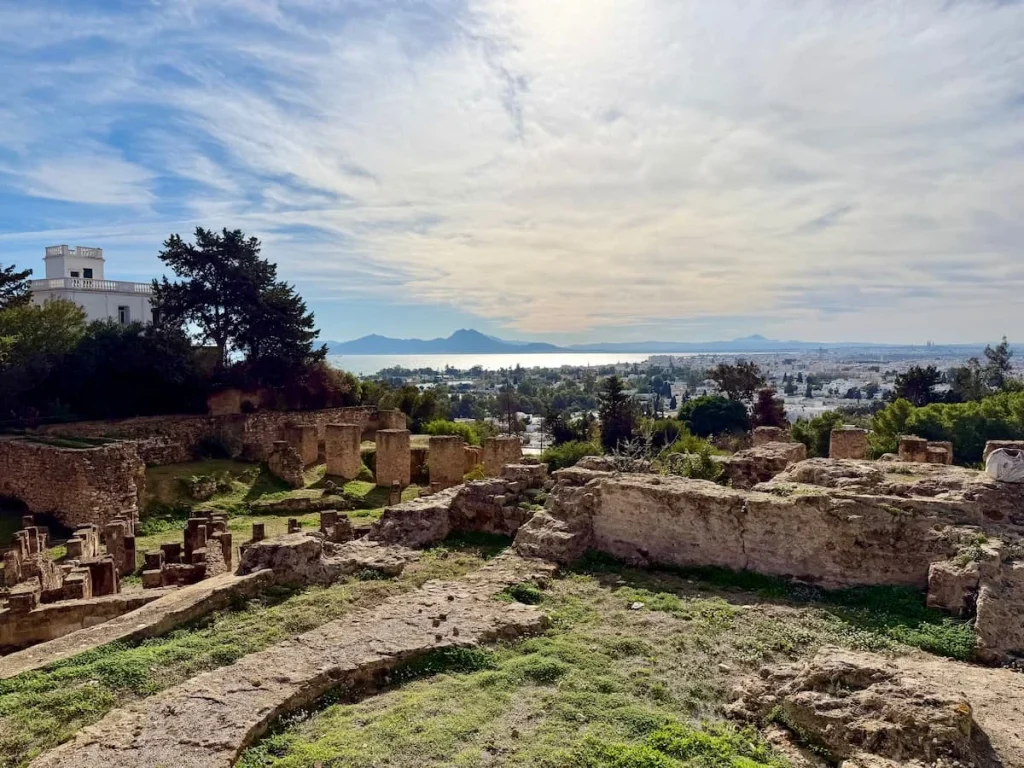
Carthage is made up of several sites that we visited for over half a day:
- The Punic Tophet – an ancient burial site.
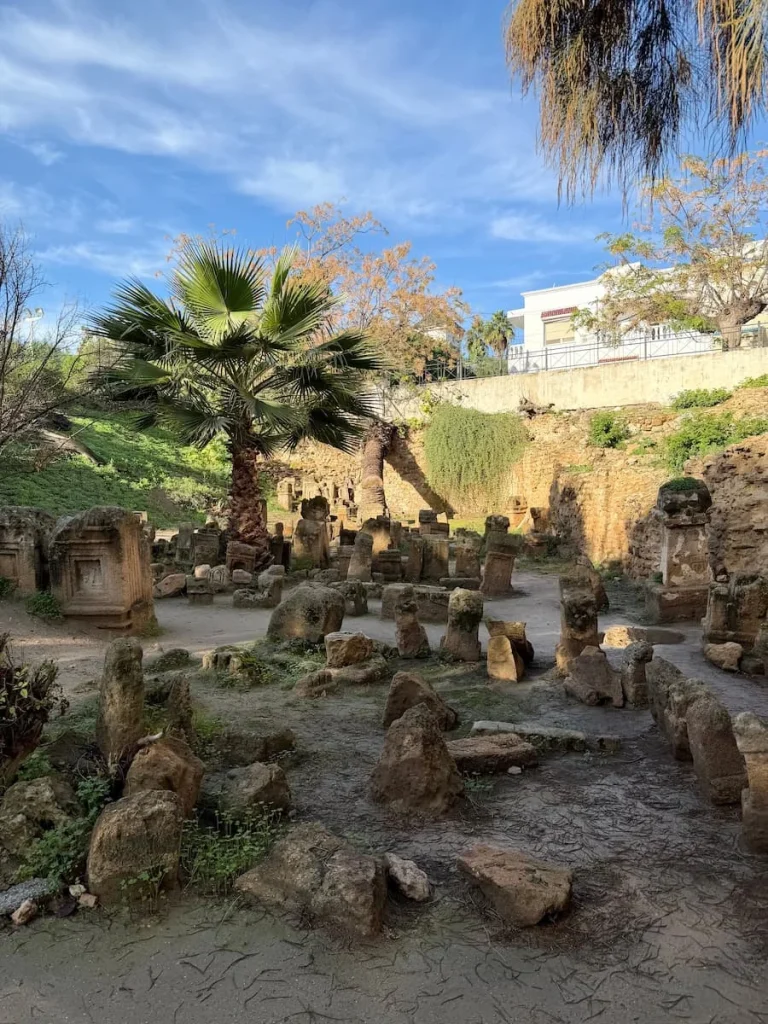
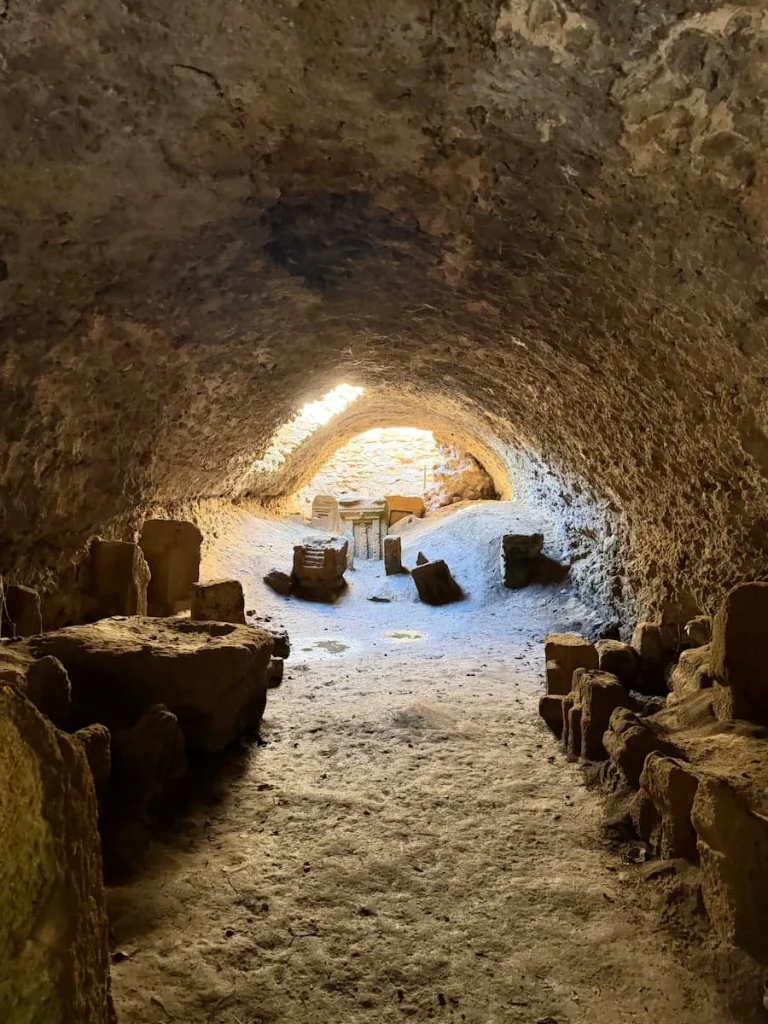
PUNIC TOPHET ANCIENT BURIEL SITE
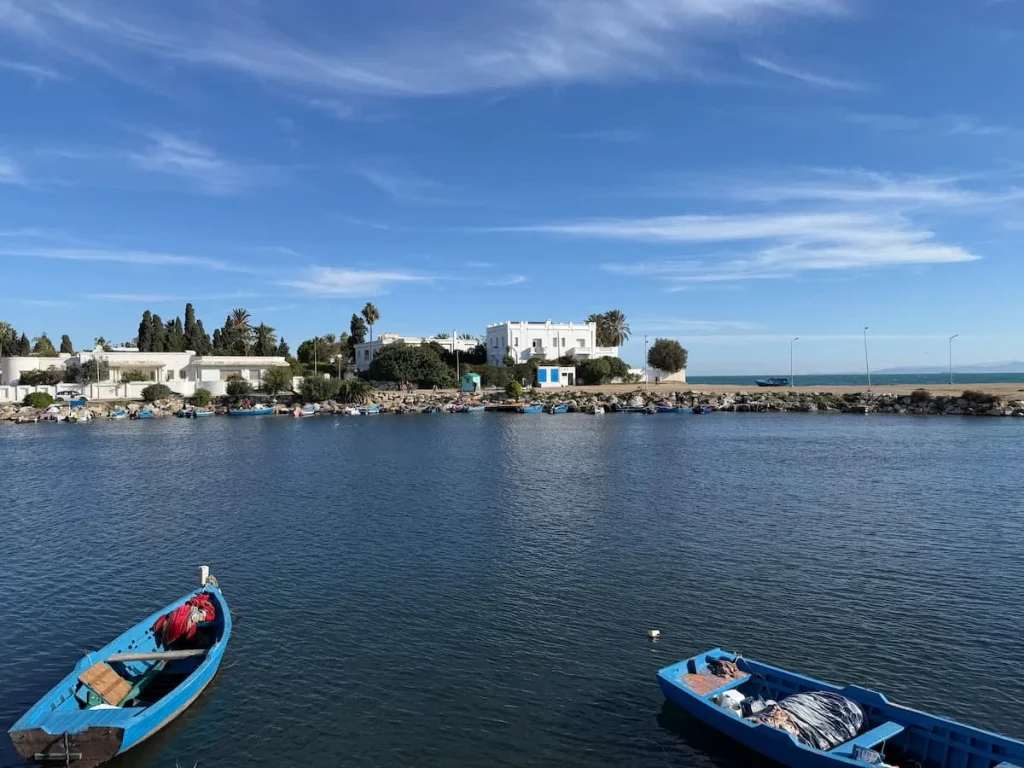
- Punic Ports of Carthage – are not very well preserved, but there are reconstructions to help get a feel for the area.
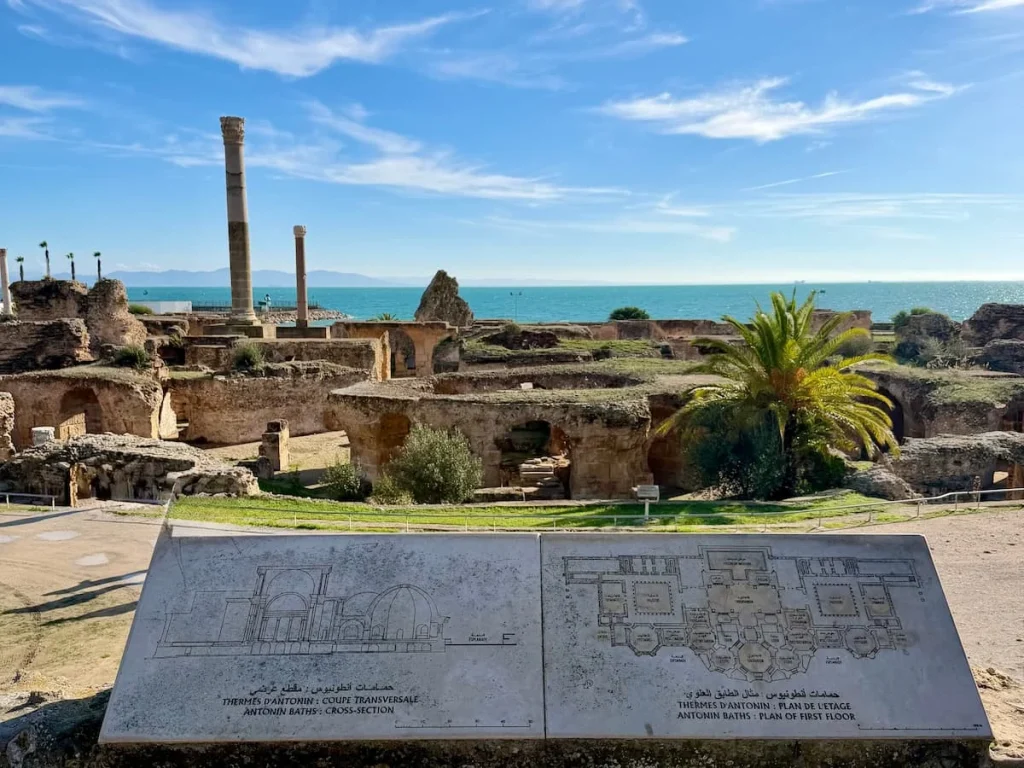
- The Park of the Antoninian Baths – a pretty impressive site worth walking around to see the state of the former thermal baths.
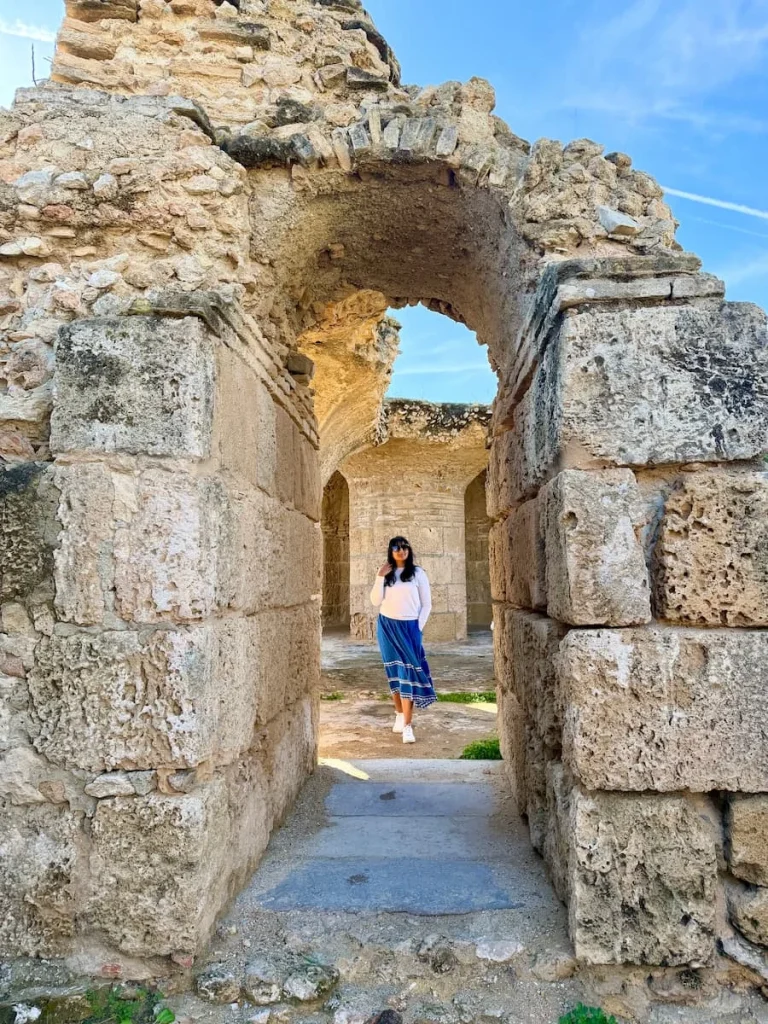
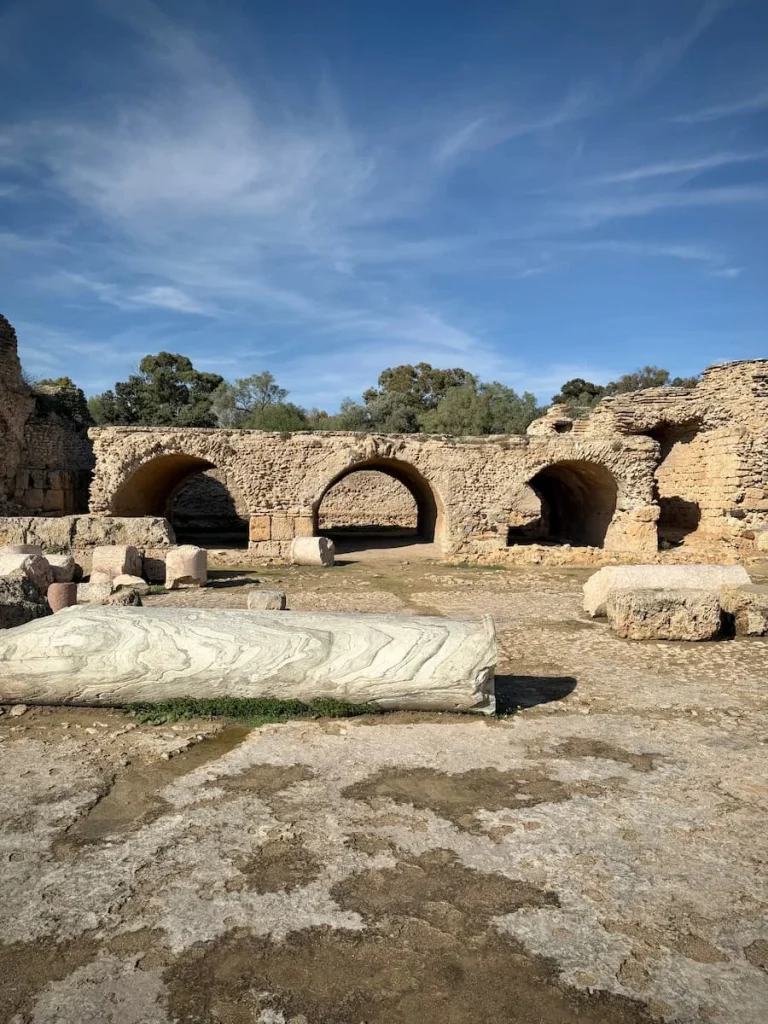
ANATONINIAN BATHS PARK
- Amphitheatre – which is pretty impressive.
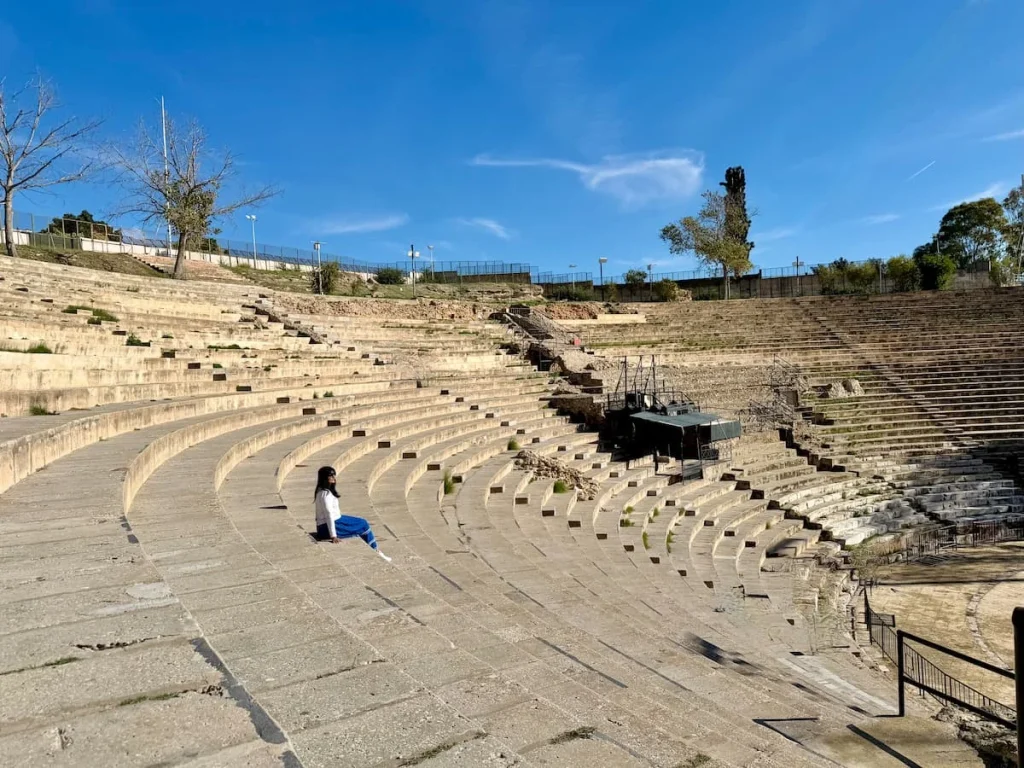
- Water Cisterns – located across the street from the amphitheatre.
- Byrsa Hill – a walled citadel above the Phoenician harbour in ancient Carthage, with fantastic views over the city.
Amphitheatre of El Djem
- Location: El Djem, Mahdia.
- Find it Here: Map Location.
- Inscription Date: 1979.
- Category: Cultural.
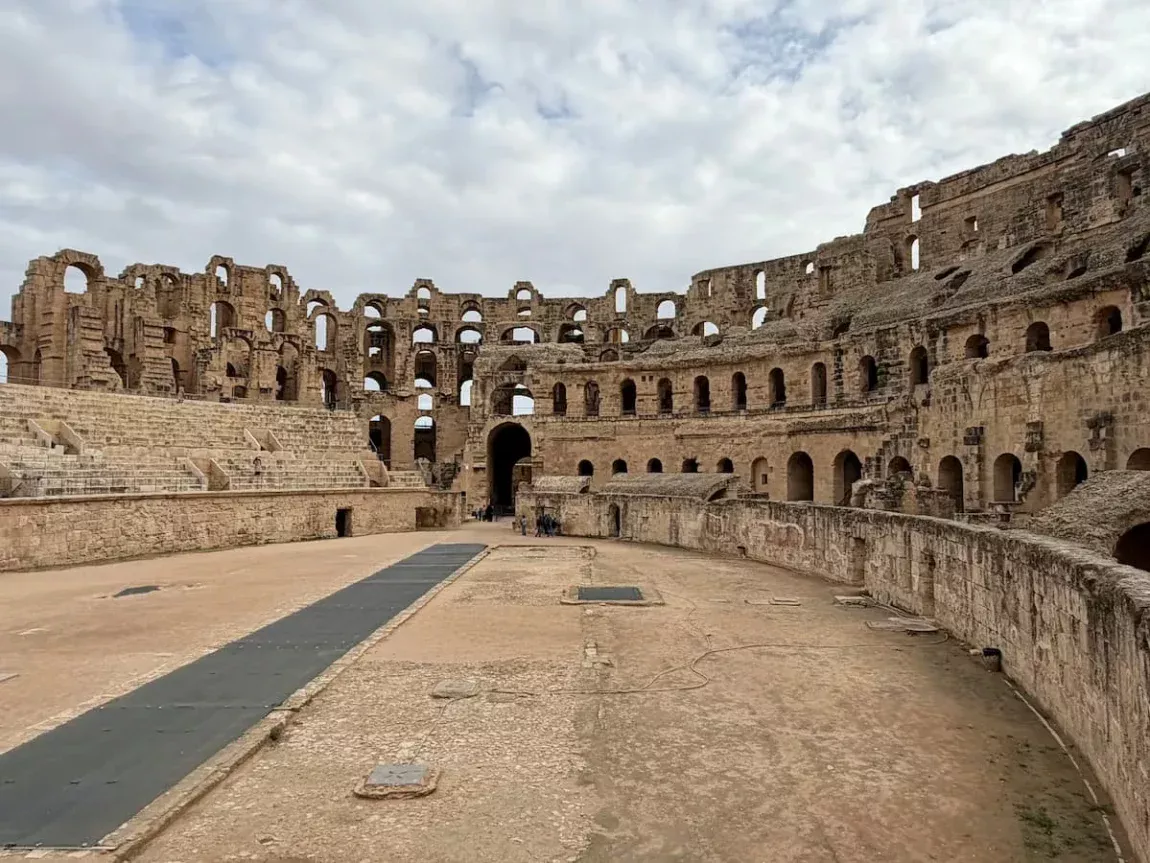
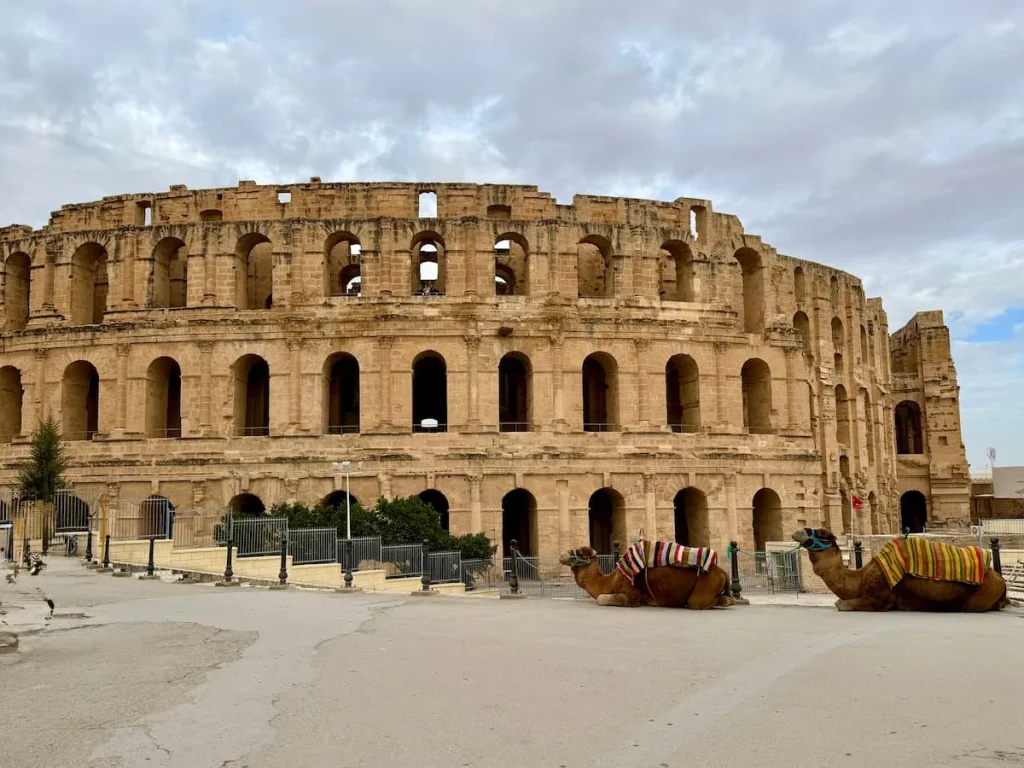
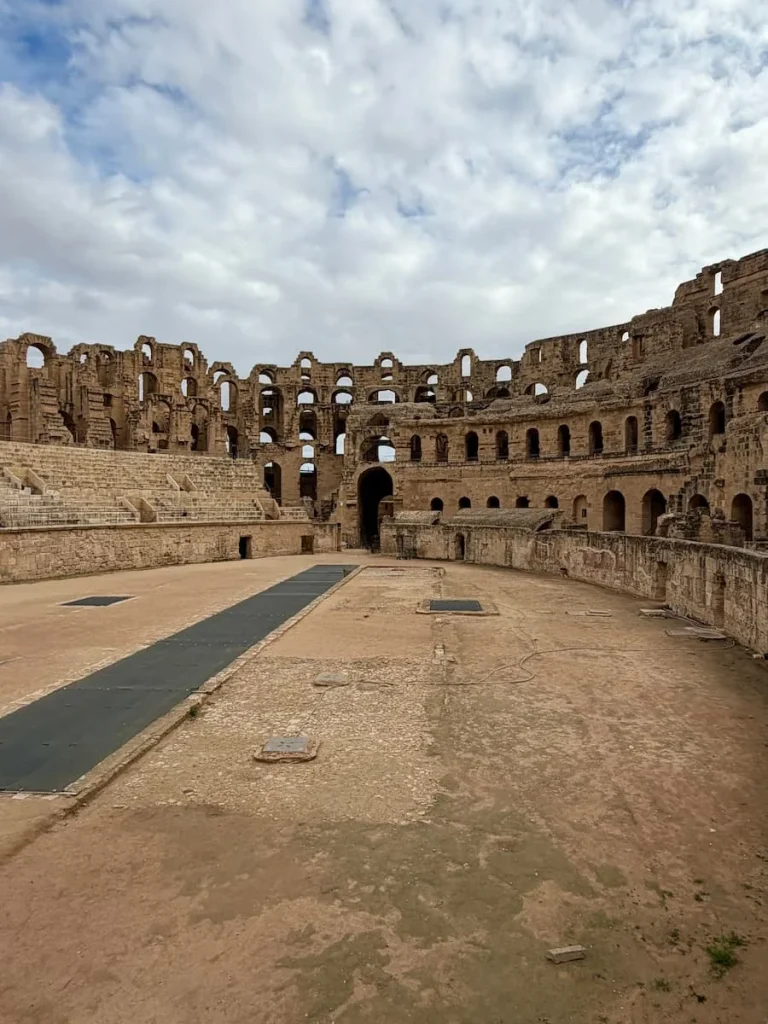
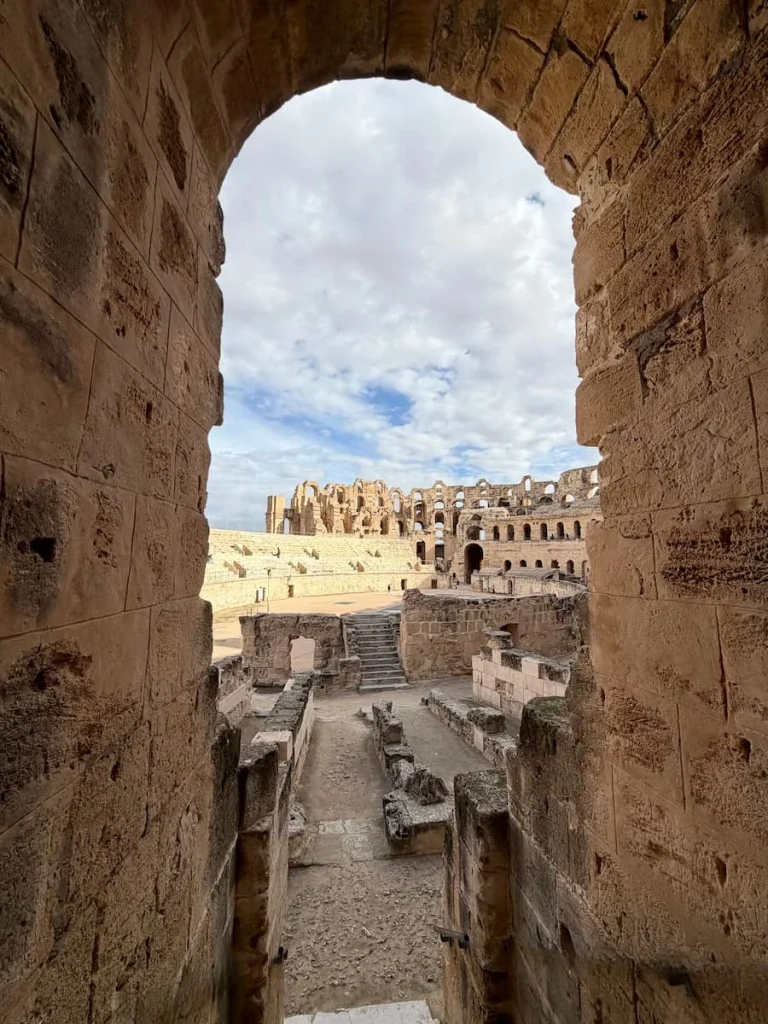
It’s not surprising that the El Djem Amphitheatre is a UNESCO World Heritage site. The city’s modern name actually means, ‘the place where the lions hide’ in Arabic. Walking around the amphitheatre is absolutely mind blowing, there were no crowds during our visit, and it’s in a better state of preservation than the Colosseum in Rome. It could once seat around 30,000 spectators. The large outer walls are three stories high with subterranean chambers and dungeons, which is where wild animals and criminals, gladiators, stayed before being delivered into the arena.
Incredibly well preserved, El Djem was one of the largest amphitheatres in the Roman Empire.
EL DJEM AMPHITHEATRE
Kairouan
- Location: Kairouan.
- Find it Here: Map Location.
- Inscription Date: 1997.
- Category: Cultural.
We learnt that Kairouan is Tunisia’s spiritual city. It’s highly respected by Muslims as being the fourth most important city for Islam after Mecca, Medina and Jerusalem. Kairouan has some great unique things to do on an overnight or one day visit and is a stop not to be missed in Tunisia,
The city dates back to 670 AD and was the capital of the Aghlabid empire in the 9th Century. One of the best things to do in Kairouan is to visit the medina and souqs via the main entrance of the Citadel. We enjoyed walking through the archways that led out onto squares populated by fruit sellers. It’s a really great place to see the locals shopping and hanging out. We also headed to the elaborate Mausoleum of Sidi Abid Al-Ghariyani, built in the 8th century in the middle of the medina.
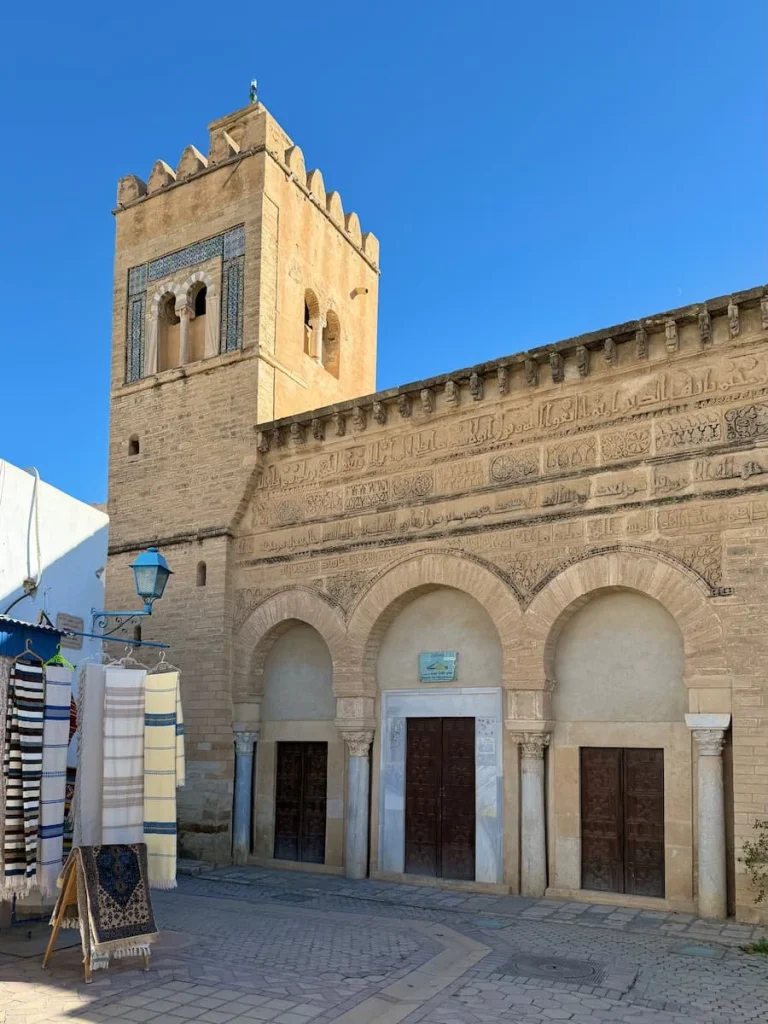
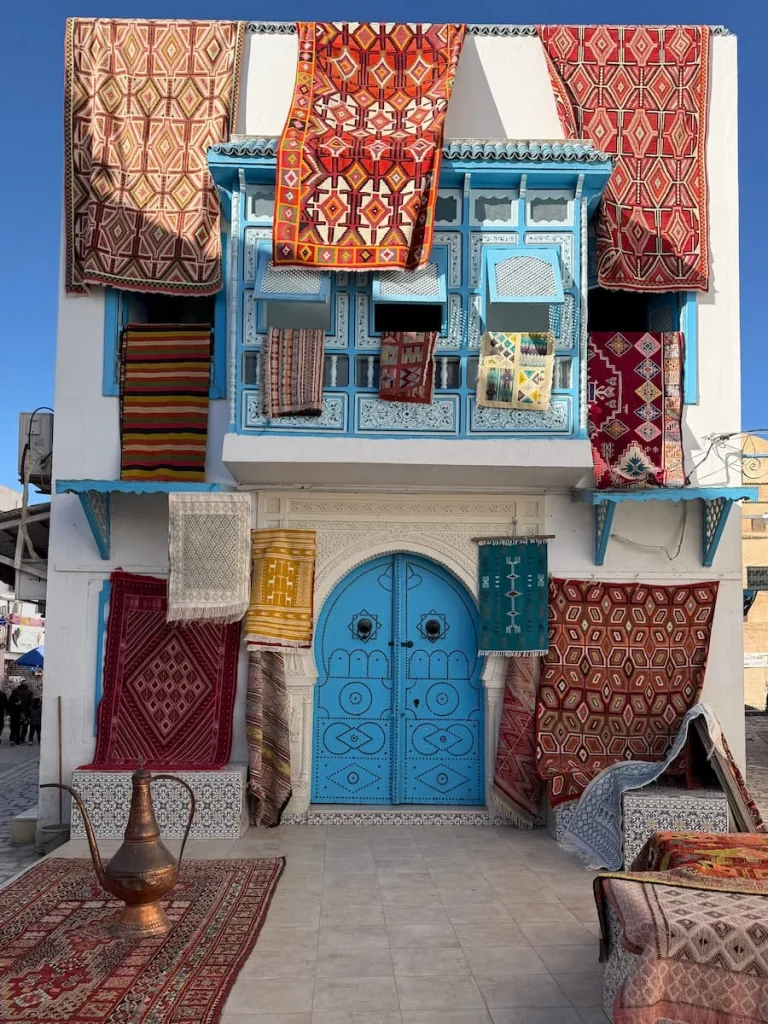
KAIROUAN MEDINA – 3 DOORS MOSQUE & CARPET SHOP
Spot the Mosque of the Three Doors, which is elaborately decorated. Take note of the artisan craftsmen and women in the souq weaving shawls and carpets.
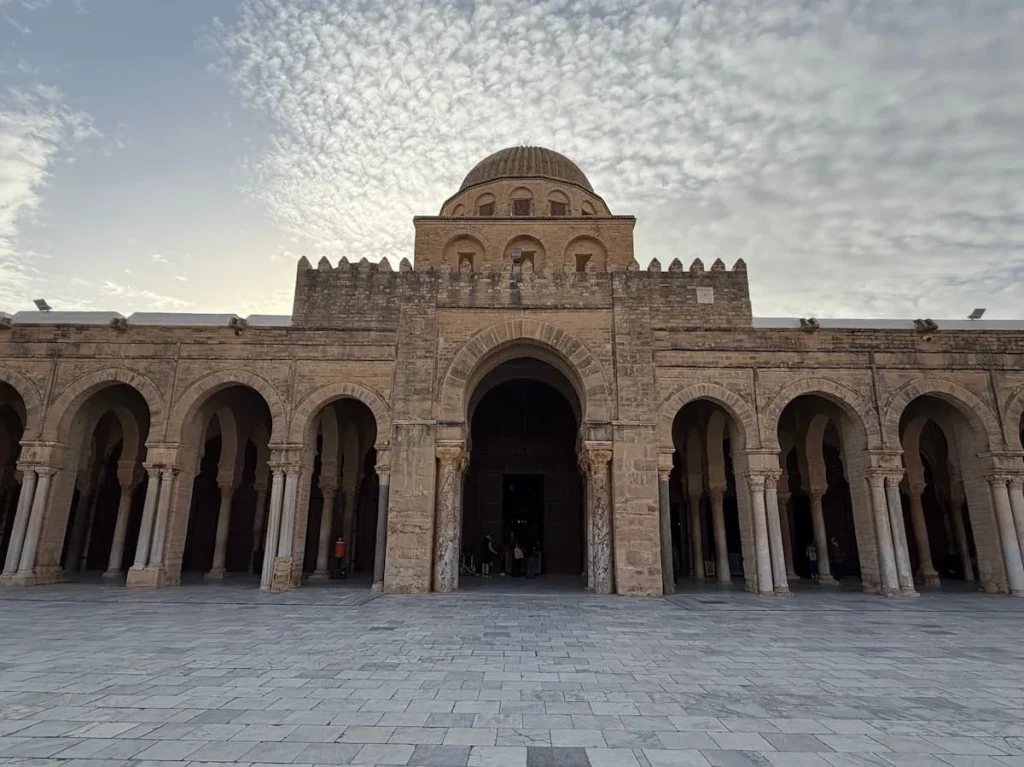
Mosque of Okba is one of the largest and oldest mosques in Tunisia, with a fortress walled exterior and a huge square towering minaret. The interior has a central courtyard surrounded by 611 reused Byzantine and Roman columns.
Dougga (Ancient Thugga)
- Location: Béja.
- Find it Here: Map Location.
- Inscription Date: 1997.
- Category: Cultural
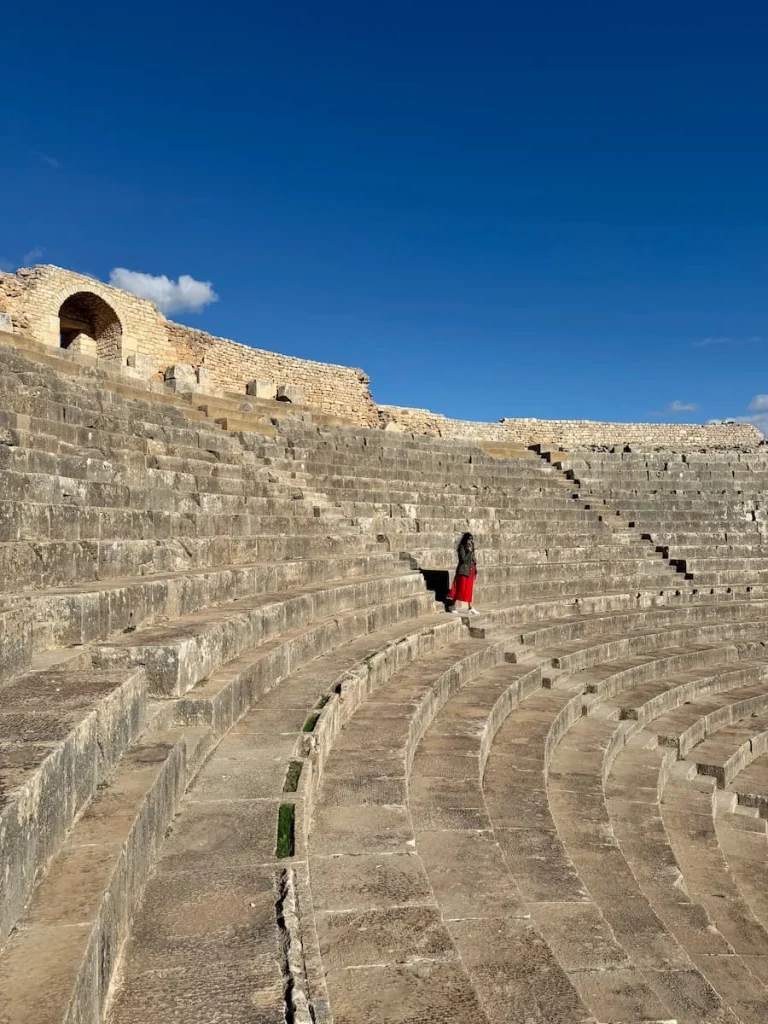
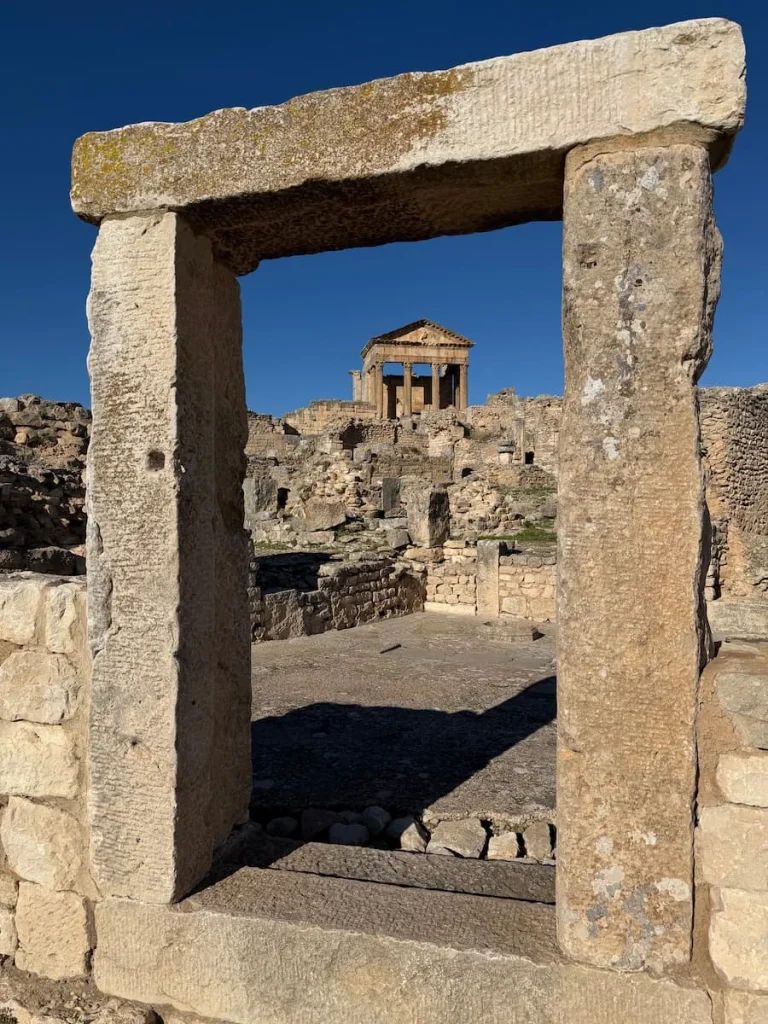
About a 90 minute drive from Sidi Blu Said, Dougga is a must visit archaeological site, located in North Eastern Tunisia along the Mejerde River Valley. Dougga has to be the most impressive Roman site in Tunisia of the ancient cities known as Numidia.
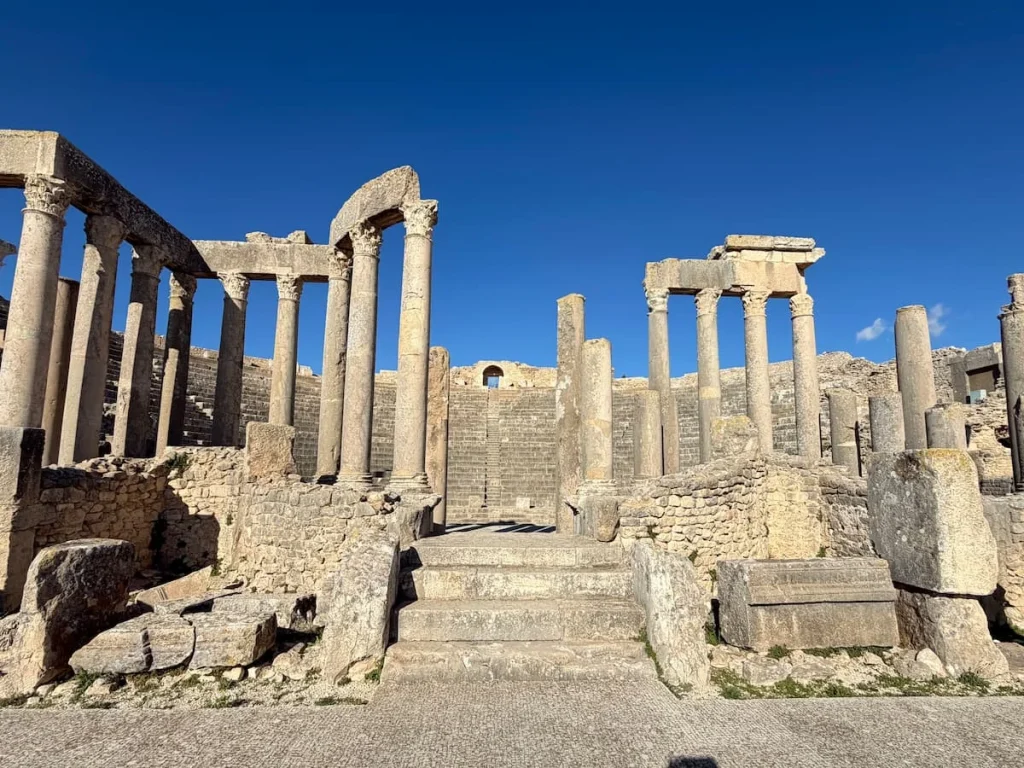
DOUGGA
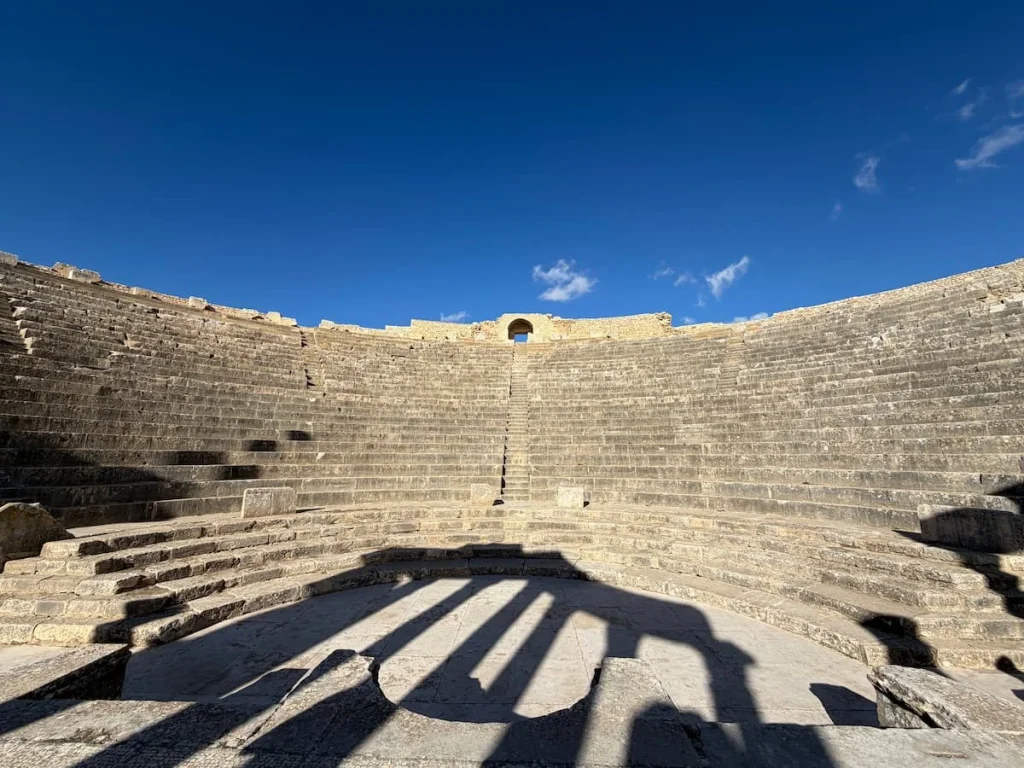
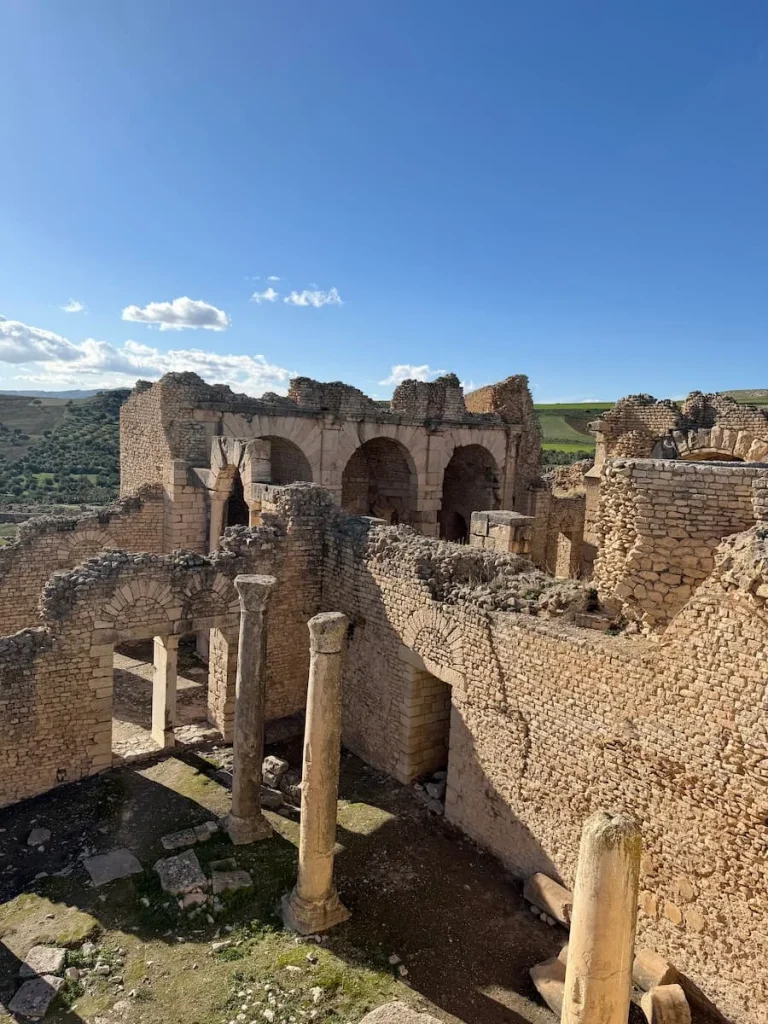
The location is rural, with Dougga being the seat of a Numidan principality until annexed by Rome after the battle of Thapsus in AD 46. Highlights of the site include a once theatre dating back to 168 AD, which had a capacity of 3,500 seated, an extremely well preserved Capitole Temple, a honey coloured temple dedicated to Juno Caelistis and an 18 metre needle like mausoleum, with a small pyramid donning a lion figure on it.
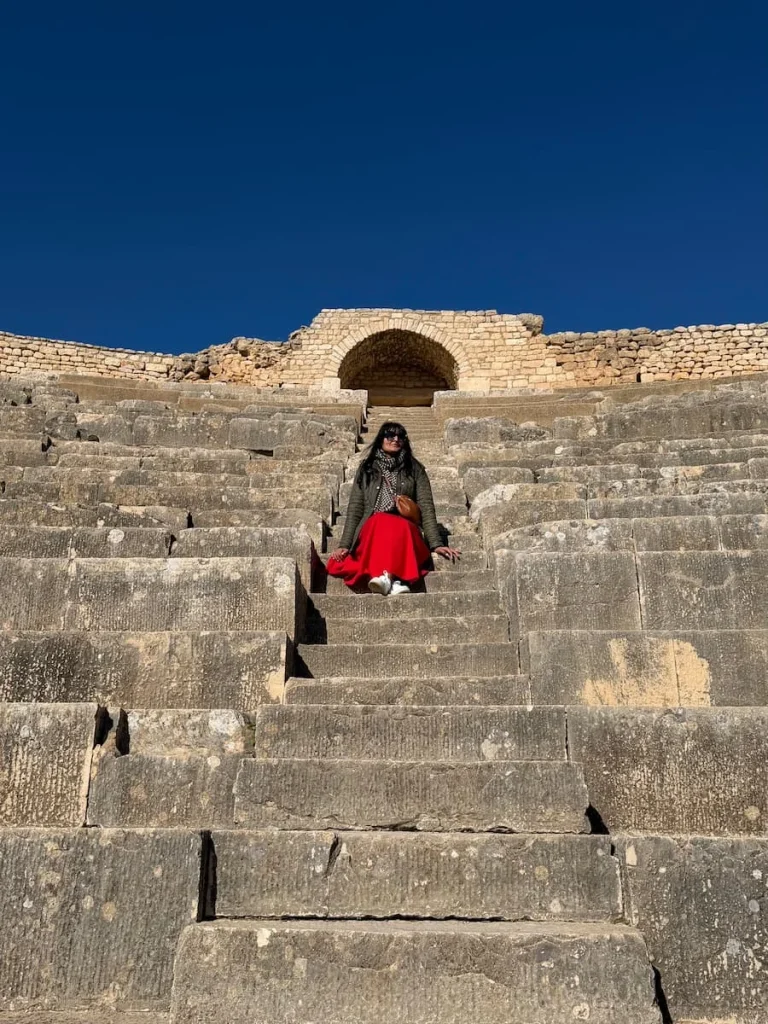
DOUGGA
The town of Dougga was referred to as the breadbasket of the Roman Empire due to the fertile valley in which it sits. Here you’ll see plenty of livestock, farms, as well as olive groves that go on for miles. We visited in December during the olive harvest season, and so lots of locals were picking olives along our drive to Dougga.
Djerba
- Location: Medenine.
- Find it Here: Map Location.
- Inscription: 2023.
- Category: Cultural (Testimony to a settlement pattern in an island territory).
Djerba is a charming island off the Southern coast of Tunisia and is surrounded by beautiful turquoise waters, swaying date palms and olive trees. It has a wonderful architecture of white washed buildings and blue doors, and is best known for its beaches and hotels along the coast. We spent 2 days in Djerba, and it made for a relaxing, laid back break over winter with so many things to see and do.
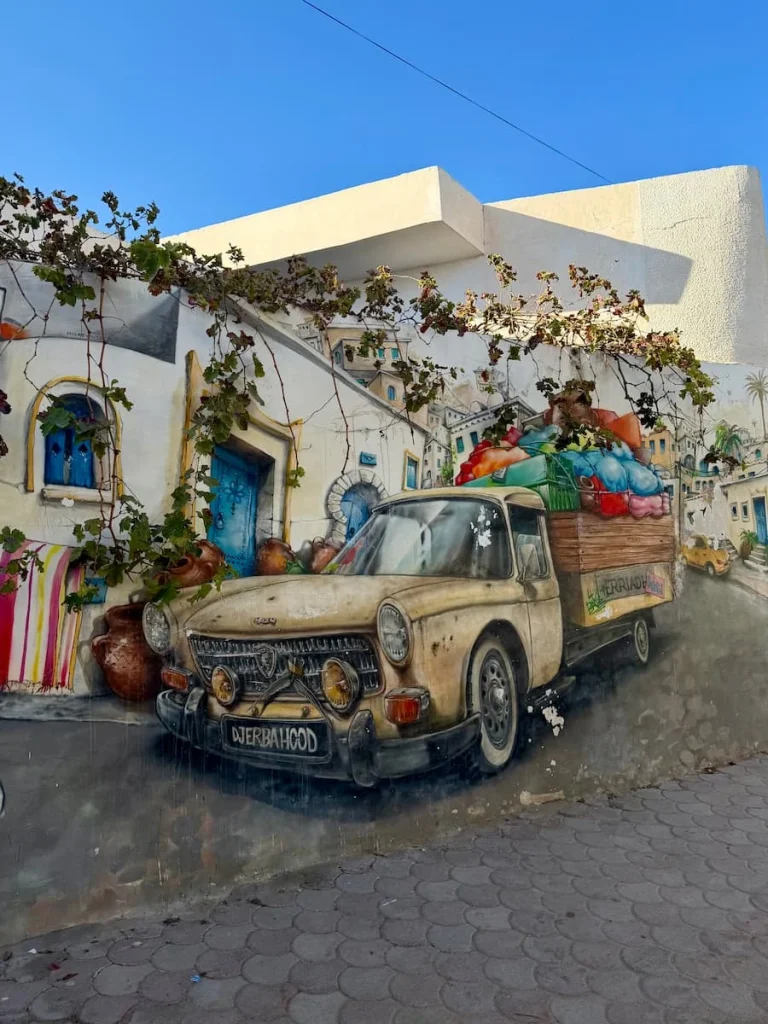
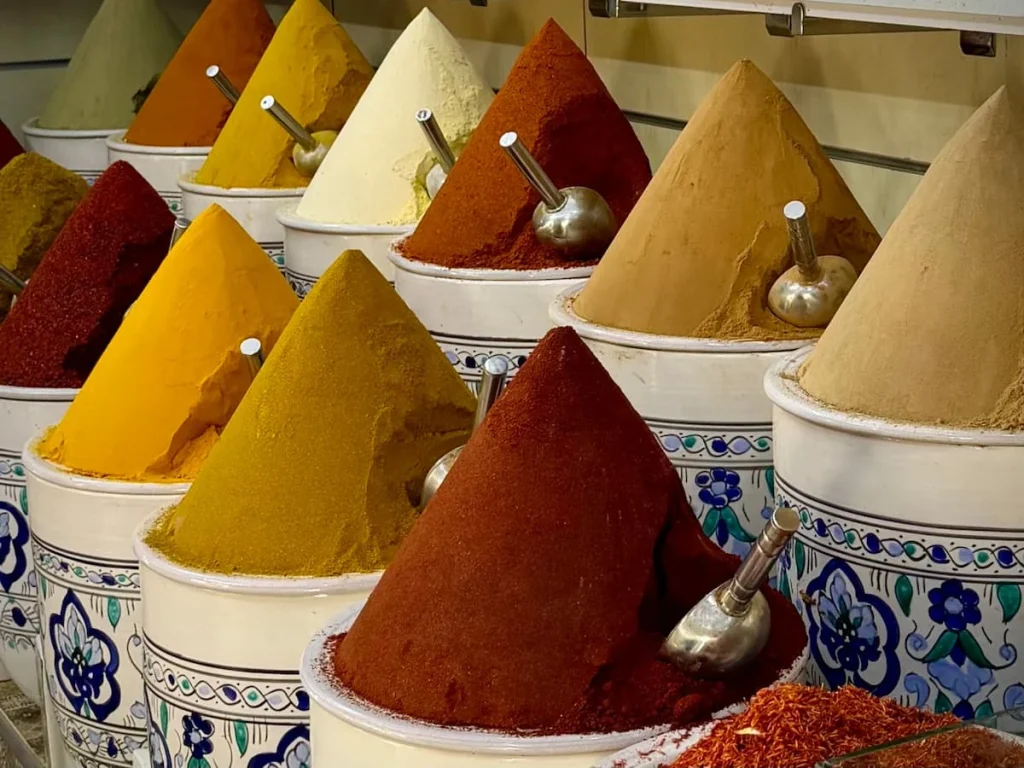
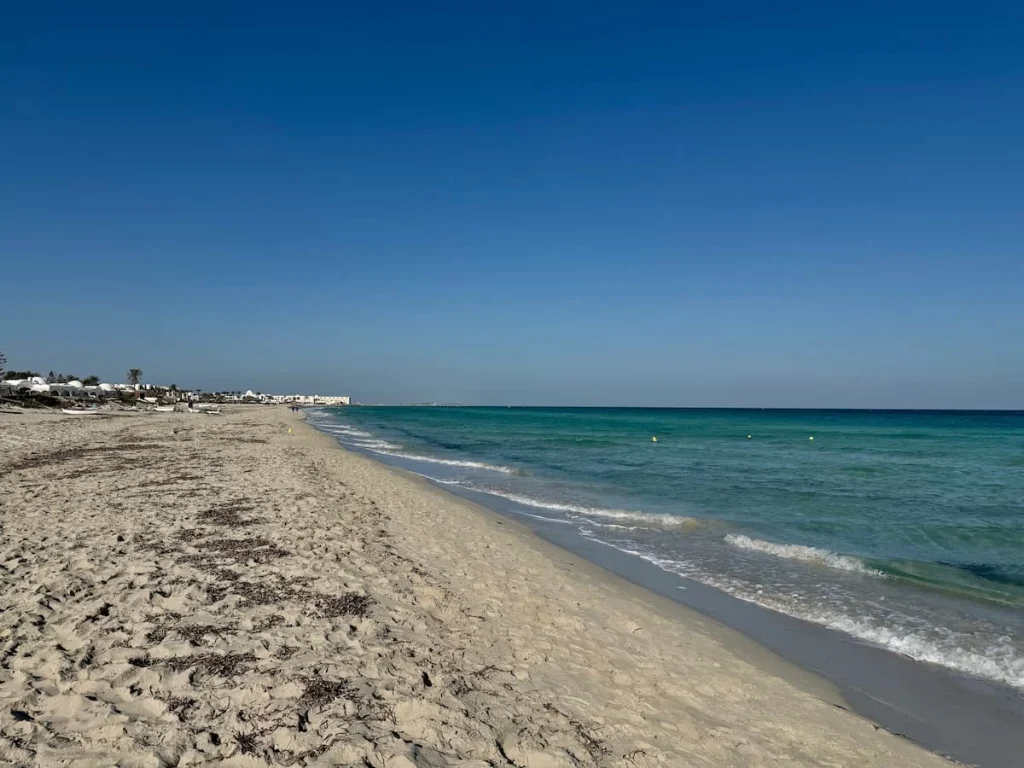
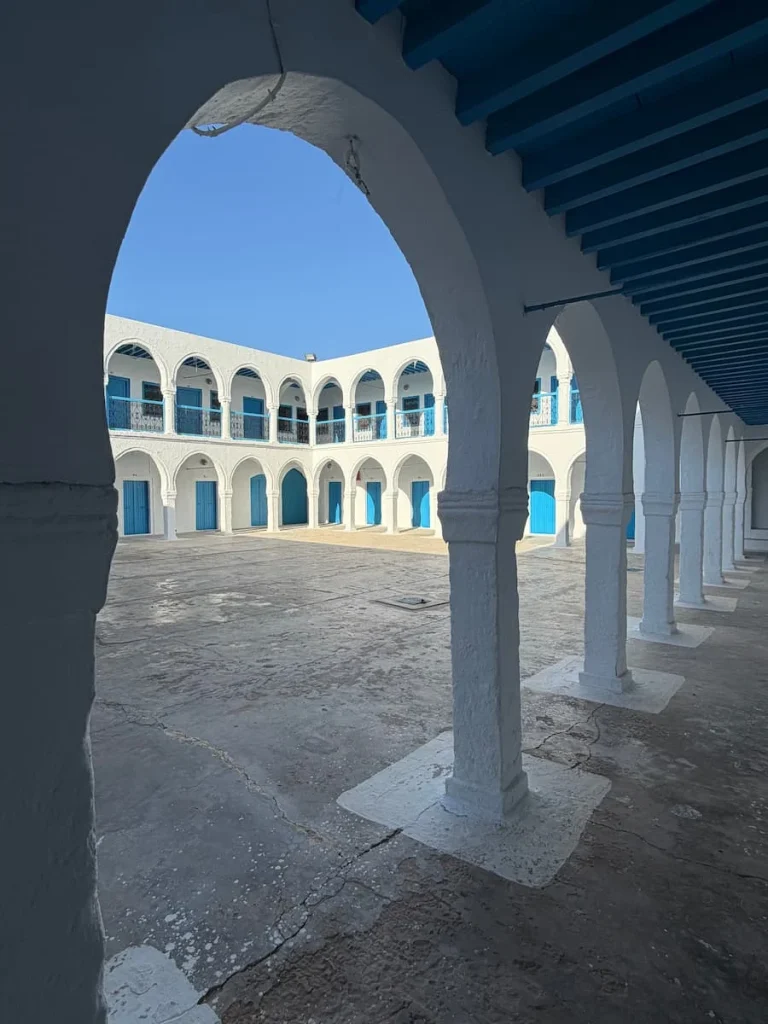
DJERBA – STREET ART, HOUMT SOUK, SIDI MAHREZ BEACH & EL GHRIBA SYNAGOGUE
Moving away from the coast and travelling further inland in Djerba, there are many cultural and heritage sites such as the Houmk Souk (Central Market), Mosques, the El Ghriba Synagogue, the largest Synagogue in North Africa, as well as villages such as Erriah and Guellala, with family run potteries dating back centuries.
Tentative UNESCO World Heritage Sites We Visited
Sidi Bou Said
- Location: Tunis.
- Find it Here: Map Location.
- Year Listed: 2024.
- Category: Cultural.
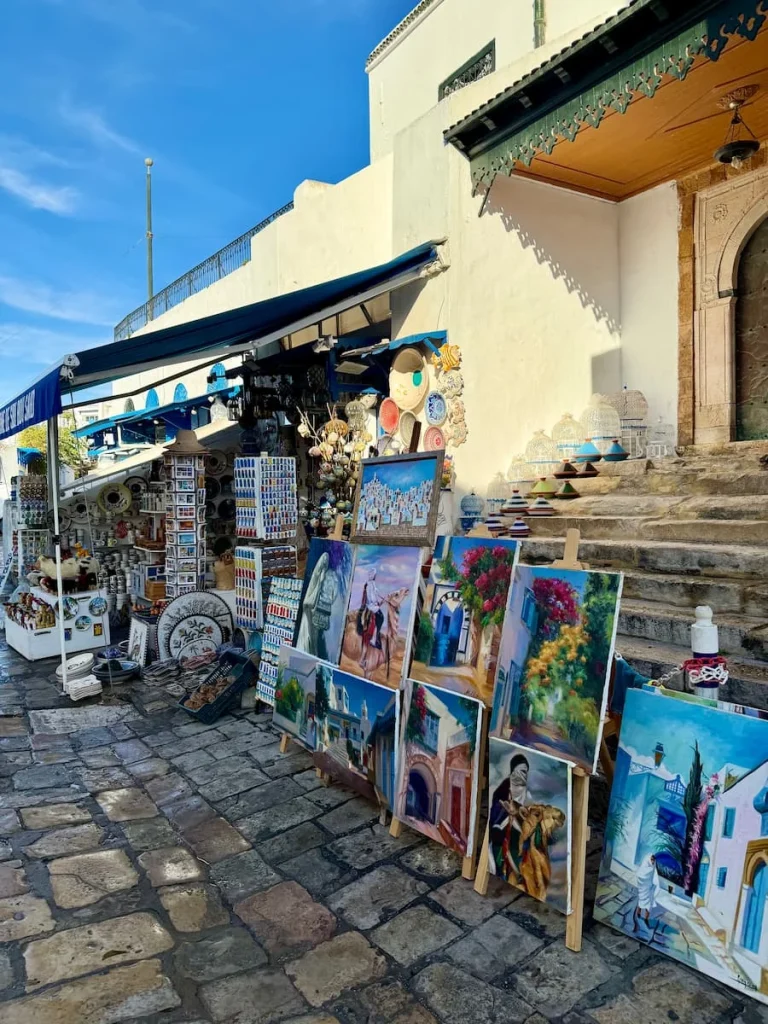
Spend a full day exploring the blue and white washed village of Sido Bou Said, perched high above cliffs overlooking the Mediterranean sea and Carthage. It’s a protected aesthetic and hailed as one of Tunisia’s most beautiful villages. Walk around the main shopping street, the small alleyways that go up and down via differing inclines, look out to the sea at the Marina, and marvel at the traditional blue and green painted doors studded with black nails in patterns.
Look up and spot the curving mashrabia grills, overflowing jasmine and the largest variety of bougainvillaea you’ve ever seen. At the top of the village, see the lighthouse and cemetery from this vista, you can get a great sunset where the sky turns beautiful shades of candy floss colours.
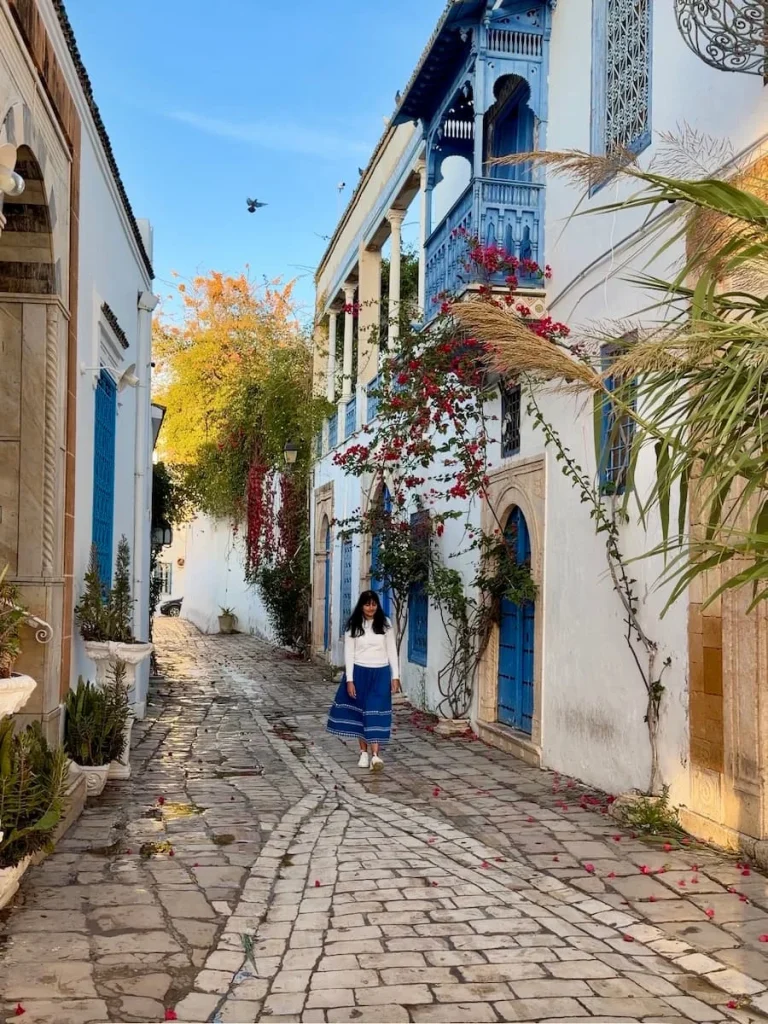
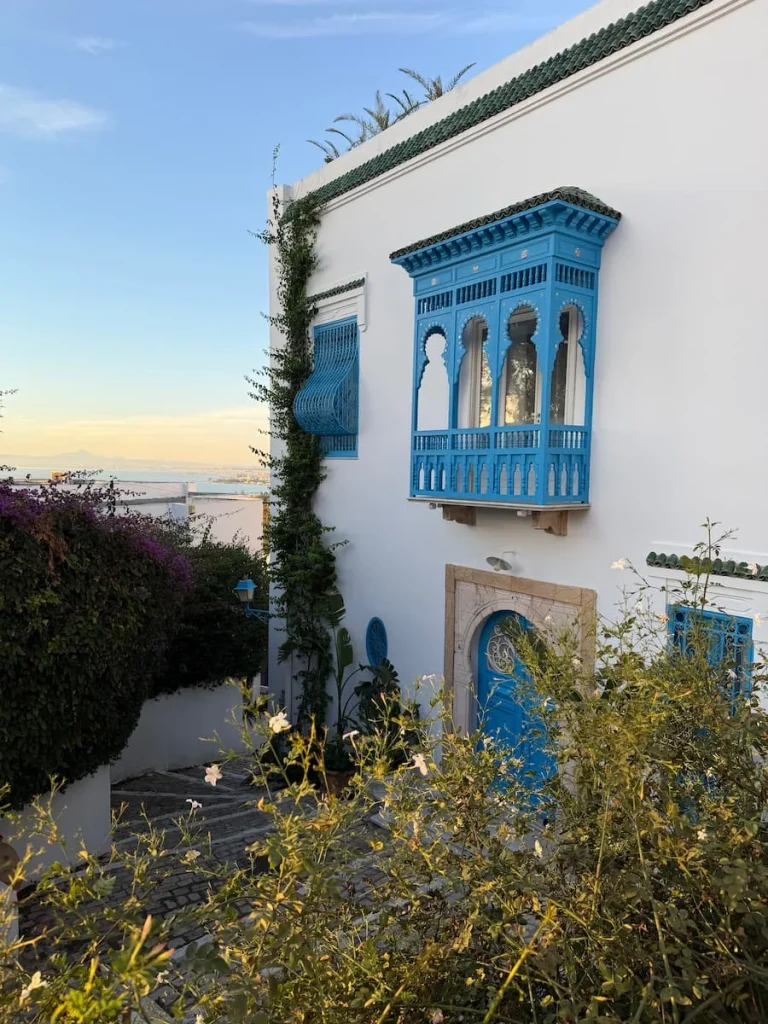
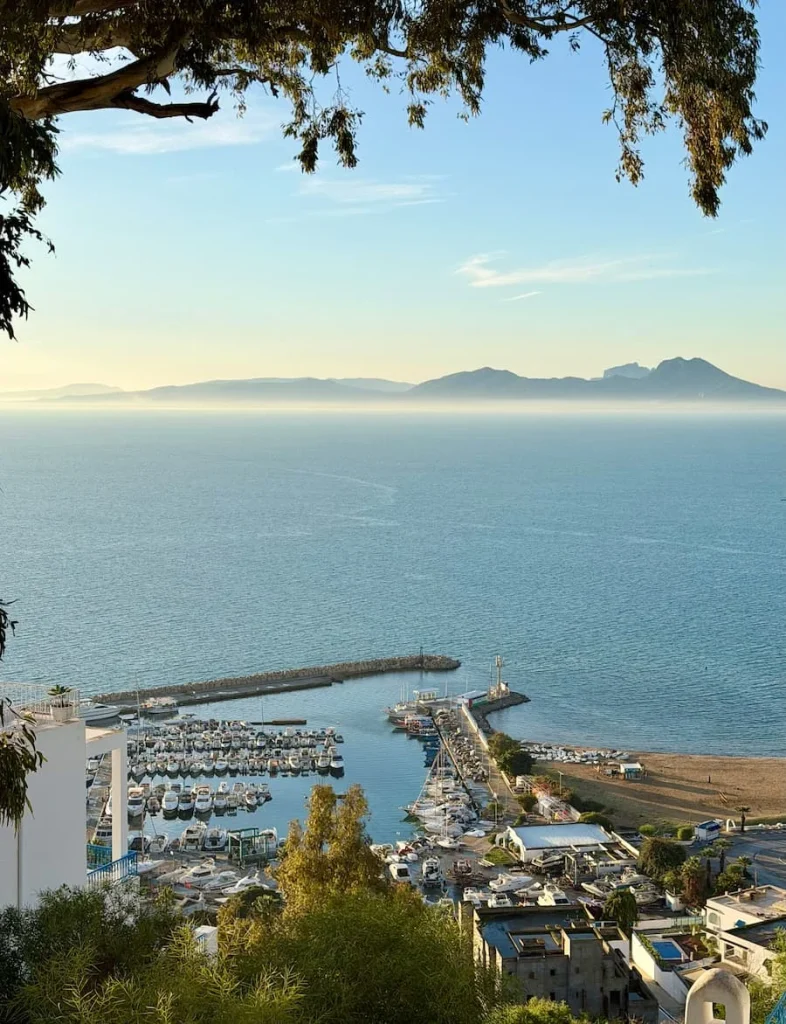
SIDI BOU SAID
We recommend heading to the local shops, cafes, and rooftops, slowing down the pace a little and taking in the local galleries and artisan shops selling pottery and watercolours. Oh, and do not miss trying a Bamboulini, which is a big, large ring doughnut that Sidi Bou Said is famous for! There’s literally only one place where you can get them too, and it’s a bit of a constitution, having been operating since 1932. Our one day guide to Sidi Bou Said has all the details on the best things to do, see, where to stay and most importantly, eat!
Chott el Djerid
- Location: Kebili.
- Find it Here: Map Location.
- Year listed:2008.
- Category: Natural.
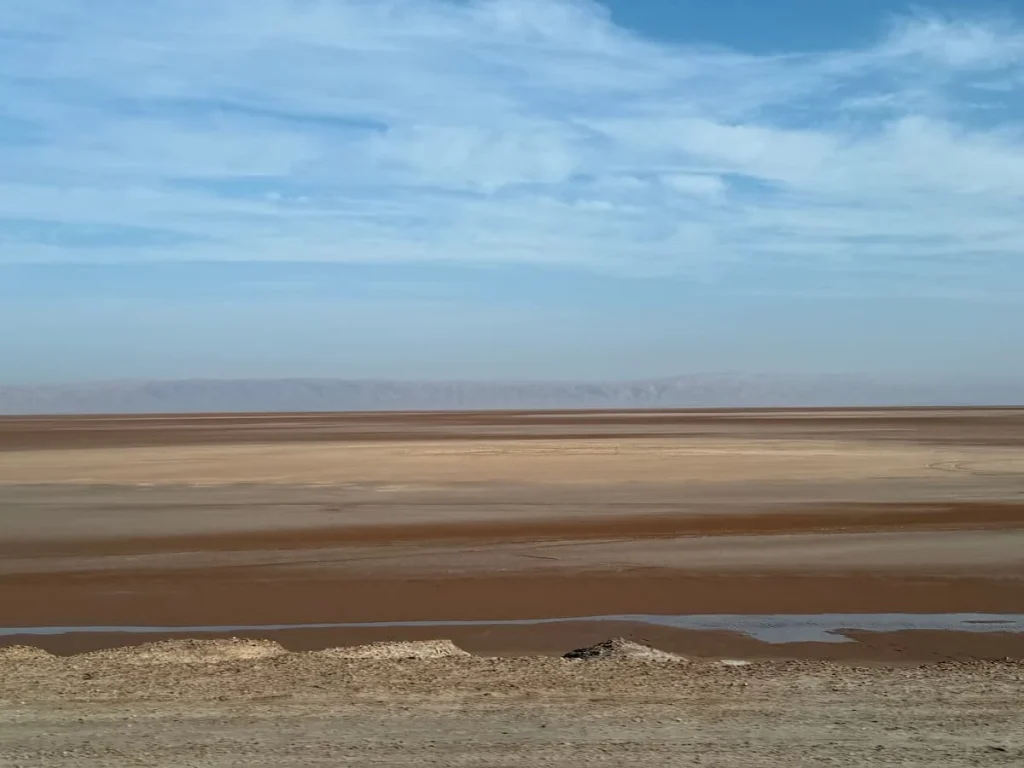
Hailed as Africa’s largest salt lake, Chott el Djerid, translates to ‘Lagoon of the Land of Palms’. At certain times, it can appear white, green and purple however, it was very much white or blue when we stopped by.
The lake stays dry most of the year, but previously used to fill up to a depth of around 25 metres (82 feet), Aquatic life has been seen here as well as flamingos that occasionally flock to the lake.
The stop off point has many stalls selling rock salt products like soaps, should you wish to take some back home, but it’s a fascinating stretch to see the lakes.
Roman Hydraulic Complex of Zaghouan-Carthage.
- Location: This includes several sites such as Zaghouan, Cisterns of La Malga and the Baths of Antoninus.
- Find it Here: Map Location Zaghouan & Baths of Antoninus.
- Year listed: 2012.
- Category: Cultural.
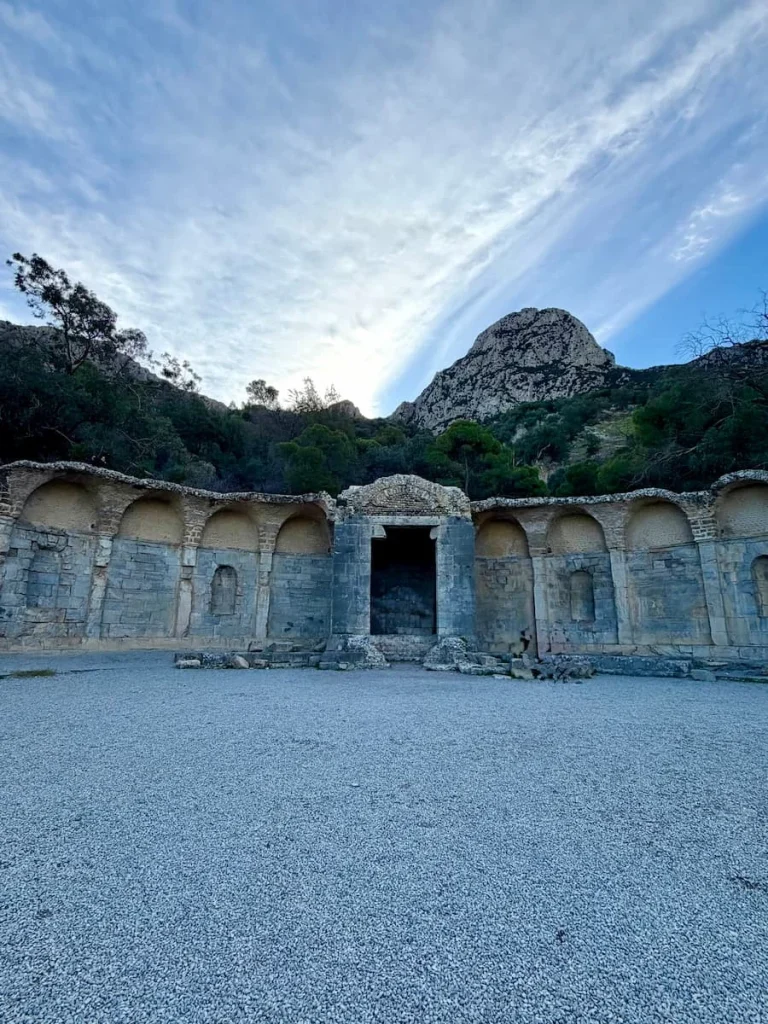
The Romans truly were the kings of roads but also of aqueducts to transport water to many sites – wel,l they did love their baths. Zaguoan and Baths of Antoninus) previously mentioned in Carthage are two such great examples.
Zaghouan
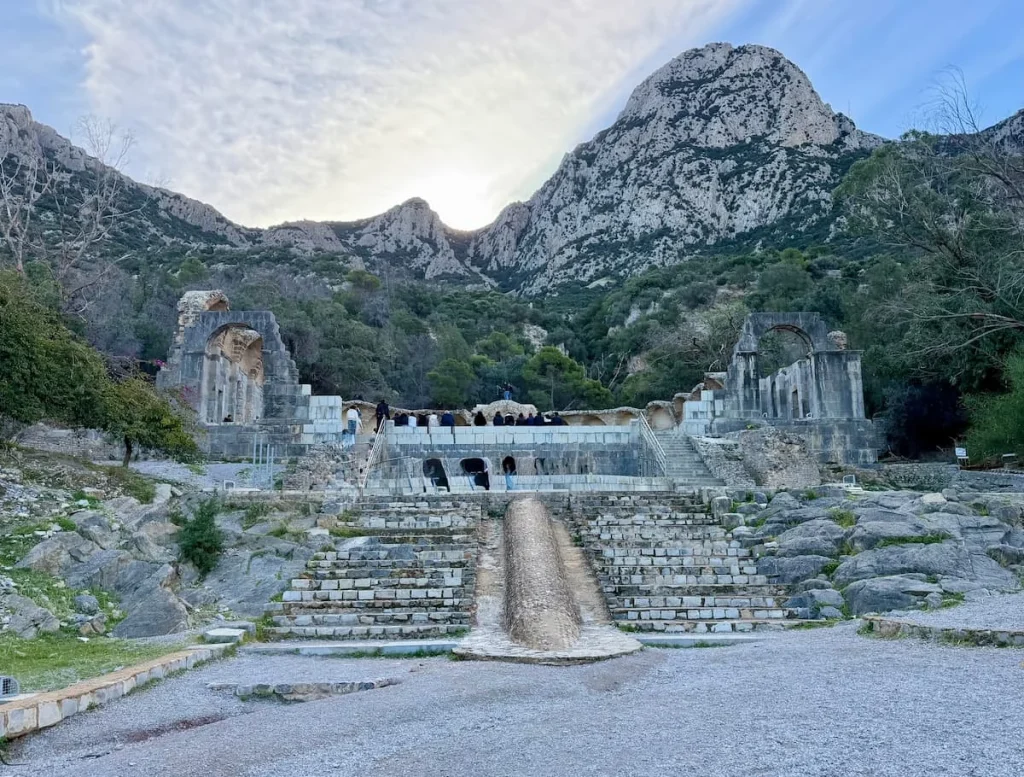
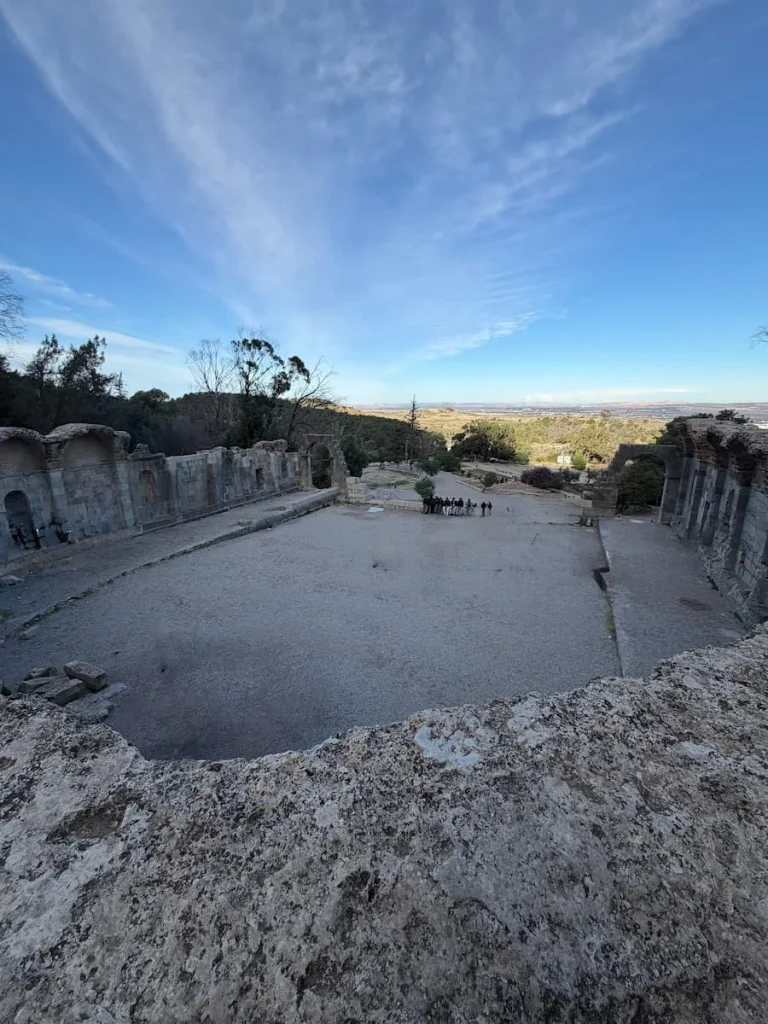
Located under the peak of one of Tunisia’s spellbinding mountains, Zaghouan was where a long Roman aqueduct of 132 Km in length started. It has been hailed as a feat of Roman engineering and took Zaghouan’s fresh mountain waters to Carthage. When we arrived in the middle of the day, there were only a handful of people, mainly locals, which made for a really pleasant, leisurely visit. We walked right up to the ‘Water Temple’, or Nymhaeum, built in the 2nd century AD and had a chance to walk above the complex for a bird’s-eye view.
ZAGHOUAN SITE
Baths of Antoninus
The site of the thermal baths in Carthage is a pretty impressive site we’d recommend walking around when you’re in Tunis,
Troglodyte Habitat & The World of the Ksour of Southern Tunisia
- Location: Several sites, including Chenini.
- Find it Here: Map Location.
- Year listed:2020.
- Category: Cultural.
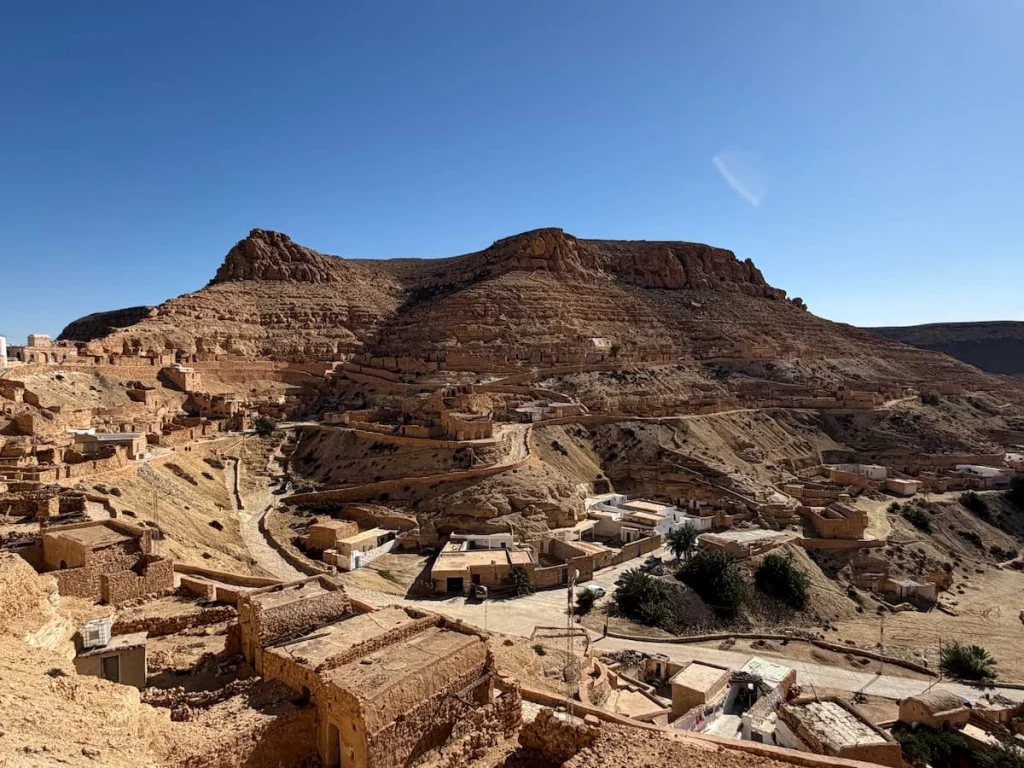
The abandoned Amazigh village of Chenini appears as if it’s been built into the curvature of a cliff. We visited the white washed mosque at the top and then came down for a closer look at the houses that have been carved into the rock and have a walled courtyard, called a hosh, which was traditionally used for storage and stable animals like donkeys and goats.
Top Tips For Visiting UNESCO Sites in Tunisia
- The services of a guide are invaluable as they have all the background historical knowledge to help bring the sites alive and make for a more meaningful experience.
- Some of the UNESCO sites can take a while to get to, so bare that in mind and don’t add too much to the itinerary so you can take your time at each place. We realised just taking in the vastness of some sites like Dougga and El Djem can be rather overwhelming,
- Carry some Tunisian currency with you in case you need to use the conveniences (there are attendants at some sites that will distribute toilet roll or have a money bowl for using the conveniences).
- Make sure you have a good supply of water for hydration, as some of the ruins include a lot of walking.
- Wear appropriate footwear. Trainers of hiking boots are perfect for rubble and uneven paths. Open fancy sandals and high heels should NOT be worn; you don’t want an injury!
- Take a hat and sun protection, the sites are open to the elements, and the afternoon sun can be very warm. Similarly, always pack a raincoat or umbrella if visiting in the shoulder season.
Tunisia UNESCO Sites Round-Up
As we explored Tunisia’s UNESCO World Heritage Sites, we discovered a country where civilisations have centuries of layered history, culture, and beauty. We walked through ancient ruins, sacred cities, and living traditions that still shape daily life today in the country. If you love to explore these kinds of historical sites, we can guarantee that, like us, you’ll leave with a deeper appreciation of Tunisia as a timeless crossroads of the Mediterranean and the Sahara. We hope our top tips and examples of the sites help you decide and add these to your one itineraries if you plan to visit Tunisia,
Related Tunisia Articles
- A 14 Day Tunisia Itinerary.
- Spend a Day in Sidi Bou Said: An Itinerary.
- 12 Things to do in Djerba: A 2 Day Itinerary.
- 7 Sustainable Boutique Hotels & Guesthouses in Tunisia.
- 12 Things to do in Hammamet in Winter: A three Day Guide
- 8 Unique Things To Do in Kairouan: A One Day Guide
Resources to Help Plan Your Tunisia Trip
- Flights: Search & Book the best flight options through SKYSCANNER
- Travel Insurance: An absolute must-have! Check rates on SAFETYWING
- Hotels: Choose from a wide range of accommodation with BOOKING.COM
- Trains: Get the best available options for rail passes with OMIO
- Buses: Scope out the best coach travel deals in Europe with OMIO
- Car Hire: Compare, search & secure the best vehicle to suit your needs with DISCOVER CARS
- Activities: Personalise your travel with top destination experiences with GET YOUR GUIDE & VIATOR
- Shopping: A one-stop online shop for all your travel shopping needs, including travel guides AMAZON
- Traveller Reviews: Check unbiased reviews for accommodation, tours and restaurants at TRIPADVISOR
- Travel Resources: Access Be-lavie’s full-list of tried and tested PARTNERS
- eSIM: Keep roaming charges low with an eSIM from AIRALO
À bientôt

Pin & Save
Enjoyed this post? Pin & Save to PInterest adn refer back to later