A GUIDE TO SUSTAINABLE TOURISM IN VIETNAM: 10 THINGS TO CONSIDER FOR RESPONSIBLE TRAVEL
Last Updated on 20th August 2025 by Bejal
As travellers who care deeply about the places we visit, we believe tourism should give back as much as it takes. Vietnam offers wonderful landscapes in nature, a beautiful rich culture and heritage and is packed full of unforgettable and unique experiences, from stunning boutique hotels to incredible experiences and cultural immersion. Travelling intentionally and with a priority to discover this countries true gems, we’ve put together this Guide to Sustainable Tourism in Vietnam: 10 Things to Consider, to help you make choices that truly matter. Below, we’ve included some examples of how you can select more mindful things to see and do to make a real, conscious impact during your stay. Whether you’re staying in Vietnam for 14 days with limited annual leave or are planning on slow travelling through the country, read on to explore Vietnam in a way that’s rewarding for both us and the communities we visit.
** All photography containing local people in Vietnam has been taken and added to the article with consent.
Pin & Save
Short of time, No problem, Pin & Save this article to Pinterest and read at your leisure!
Sustainability & Responsible Travel in Vietnam
The Vietnamese government has produced policies which incorporate sustainability into tourism law. These form the basis for the following three pillars of sustainability:
- The Local Communities – how tourism can support and work alongside local people.
- The planet – the preservation of nature and the environment of the country.
- Profit – the inclusion of economic stability.
In summary, the Vietnamese government tourism policies say that when researching trips, a good starting point is to look for fair working conditions of local people, the protection of the environment and surroundings, preserving the local indigenous culture, how hotels and businesses conserve water and energy as well as their management of waste production.
In this guide, we’re sharing our most researched tips of experiences that have helped us be more responsible and conscious visitors in Vietnam. We’ve also included below, some examples of eco-friendly tours and experiences, sustainable hotels and support businesses that are locally run such as restaurants, cafes as well as other initiatives. Working with and ensuring the surrounding community and environment is central to your travels in Vietnam, ensures a huge positive impact in the country and for its people.
** Please note the information we have collated here is based on our own personal experiences as well as taking into account suggestions and advice from the Vietnam Tourism board website. It has a dedicated section on sustainable travel through the country.
#1. Look for Eco-friendly hotels, lodges or homestays in Vietnam
Although during our trip, we chose hotels that were more mid-range to luxury, they were not labelled as ‘sustainable hotels’, but did have initiatives in place to conserve water, energy as well as minimise plastic waste, source local food and employ those from the surrounding community.
There are hotels and lodges in Vietnam that do way more than just recycling, conserving energy through not servicing rooms daily with new linens etc. They play an active and important role in actually recording their energy usage, managing the waste they create as well as supporting local artisans with jobs and artisan trades. See our suggestions below for sustainable stay options.
Be-lavie Tip: Before booking your hotel, email hotels that suit your style and budget, about their sustainability practices and see if they have an annual sustainability report on their website that’s accessible. Usually a good hotel that is making ongoing changes to their policies will be able to share one with you to demonstrate transparency. It’s also possible to look for certified labels like Green Globe or Travelife Sustainability Certification. It is however important to note that all hotels, especially smaller ones can’t always afford to pay for such certifications but may well be doing a lot for their environment.
Topas Ecolodge
Located in Sapa, Topas Ecolodge are a range of garden suite, pool villas and deluxe suite bungalows that are set in the mountains of Sapa, in the North of Vietnam and provide a wonderful luxury retreat. They place priority on the environment and put locals first by growing their own herbs, have a chicken coop, buy produce from local farms and re-use waste like plastic and metal cans by giving them to the local women artisans. They also recycle glass and have a partnership initiative with the hill tribes in the area.
Bhaya Cruises
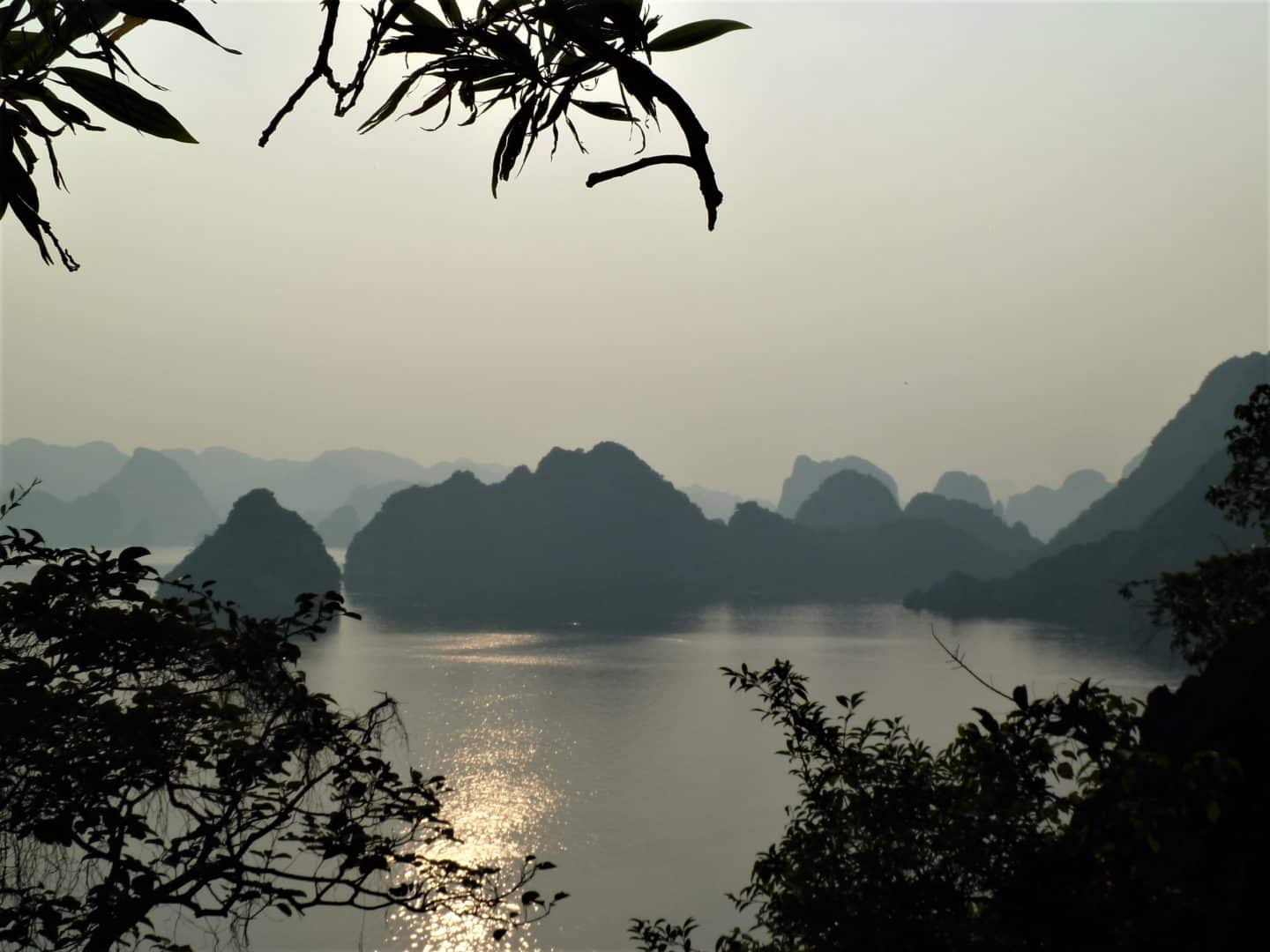
Most people want to take a two night cruise on Halong Bay during their time in Vietnam, which is one of the things we did and it was breathtaking however Bhaya Cruises has made a conscious effort to ensure the protection this UNESCO Site. Recently, it has suffered significantly from over tourism therefore the cruise company have a strict zero single-use plastic policy, ensures they don’t visit the over touristy places on the bay but also host annual clean up events which focus on clearing the rubbish from La Long’s limestone islets located all along the bay. Bhaya’s cruises show a different side to a Long Bay, a more magical and less visited unique side where they stop at hidden caves give a more personal undiscovered experience. See the real beauty, not what you see everyone else doing!
Lak Tented Camp
If you love a spot of glamping, then the Lak Tented Camp, is situated on the banks of Lak Lake and has a beautiful nature filled remote location, involving a flight straight into Buon Ma Thuot airport and a boat ride to the property. There are 15 tents here, which have a balcony or porch area that overlooks the lake. They feature locally made furniture, with the camp employing people from the local community by preserving the culture of their ethnic minority tribes by their tours and interior design.
Lak Tented camp also grows its own food onsite as well as purifying fresh water from low level wells and heat using solar power.
Mekong Rustic Homestays
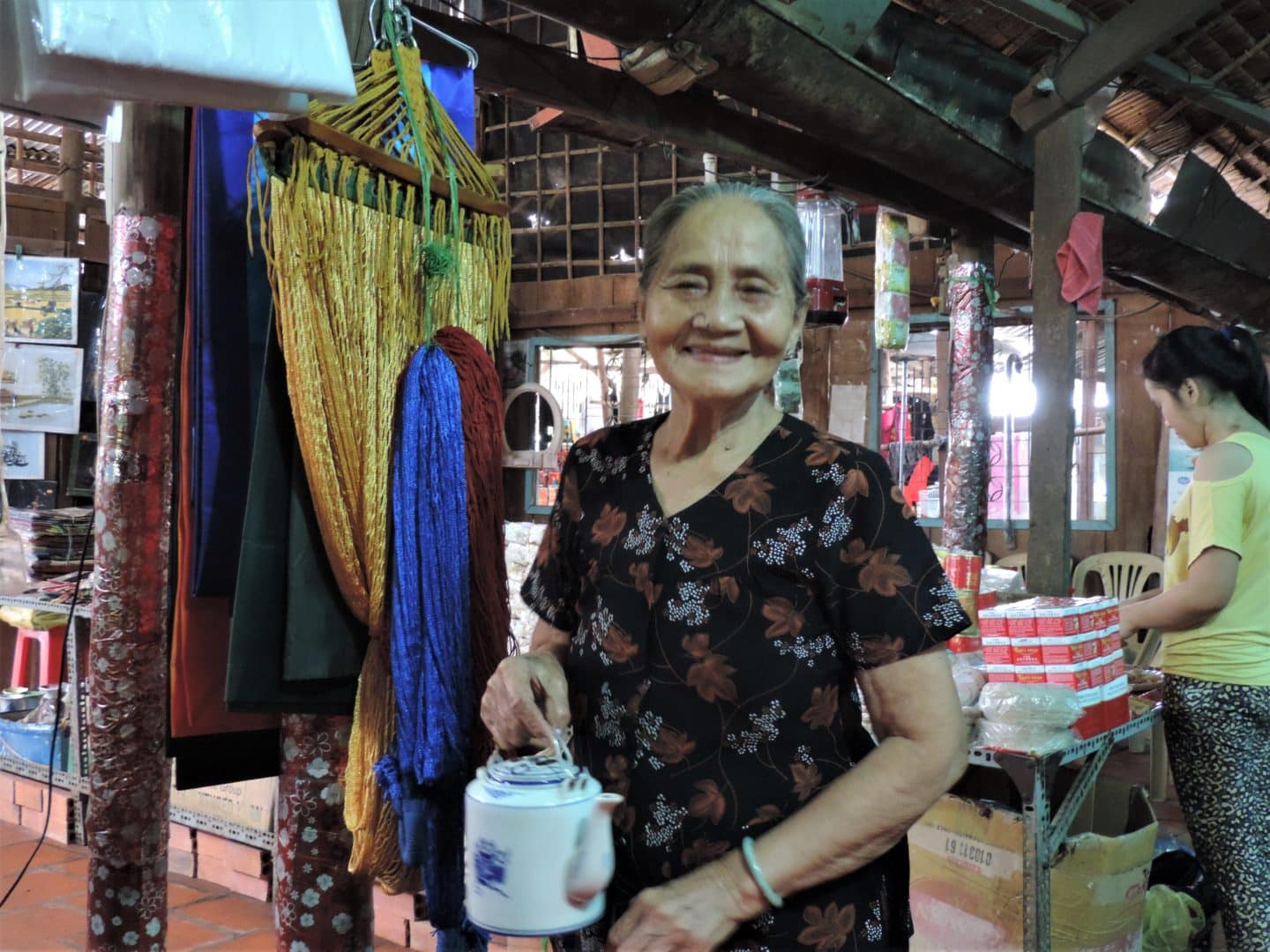
This is a wonderful way to get up close and personal with the culture, traditions and everyday life of locals who live around the Mekong River. Mekong Rustic arranges for guests to get authentic experiences by organising home stays in the houses of local farmers and carpenters. They organise two night tours at home stays in the area for visitors to get a deeper insight into the lives of the communities that live along the banks of the Mekong Delta and incorporate daily activities into the itinerary.
Not staying on the Mekong Delta? Check out these Green Tours Instead..
If you like us you decide not to stay on the Mekong Delta due to time constraints, there are a number of tours that allow you to see the lesser visited parts of it. We’ve collated some of our favourites below that can be accessed from Ho Chi Minh City.
#2. Opt For Public Transport in Vietnam
Travelling by public transport once in the country inevitably reduces one carbon footprint and has many advantages, to getting to see more of the more remote countryside regions.
Travelling by train or buses is much better for the environment than flying between destinations within Vietnam such as Hanoi and Ho Chi Minh, especially if you have the luxury of time. It is also possible to get a overnight sleeper train from Hanoi to Hue.
Here are some notable transport options in Vietnam:
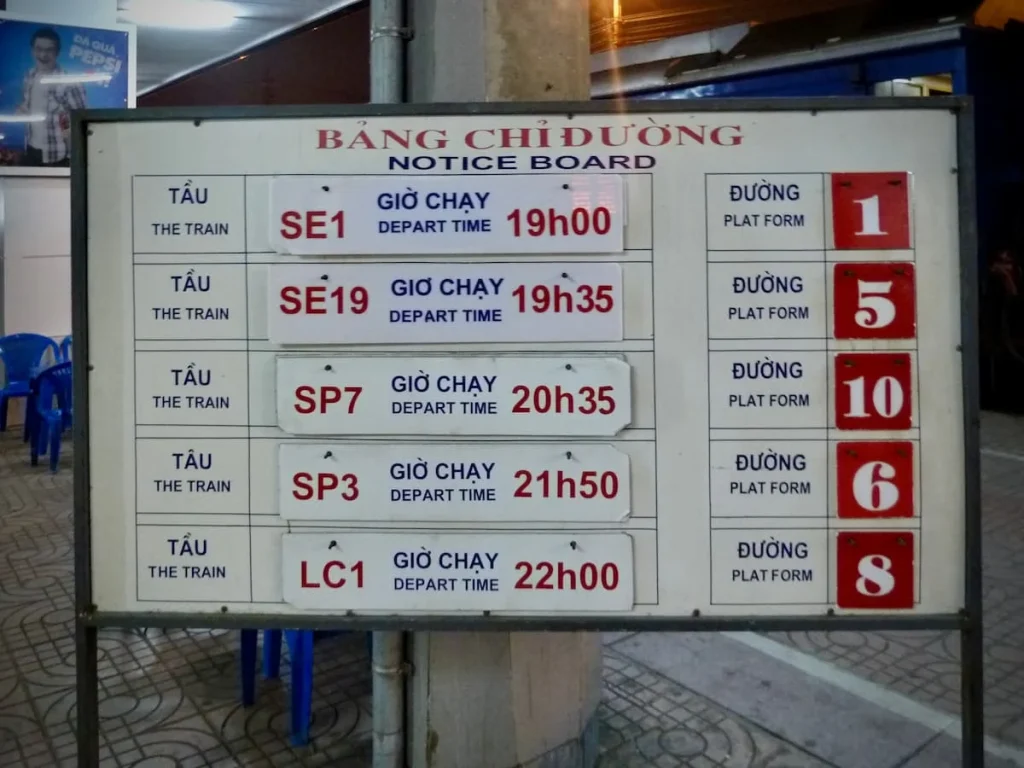
- Reunification Express – This can take between 33-36 hours for the 1,072 mile sourney and is said to be one of the most scenic journeys in the country. It connects Hanoi to Ho Chi Minh, with daily departures. There is also a train that goes from Hanoi to Hue by the Reunification Express and takes around 12 hours with four people cabin options. There are sleeper carriages available as well as standard seating and took us around 12 hours. It’s a great way to see the countryside, however if you’re on a time schedule, it’s best to get the overnight train so you arrive in Hue around 08:00. Train timetables and further information
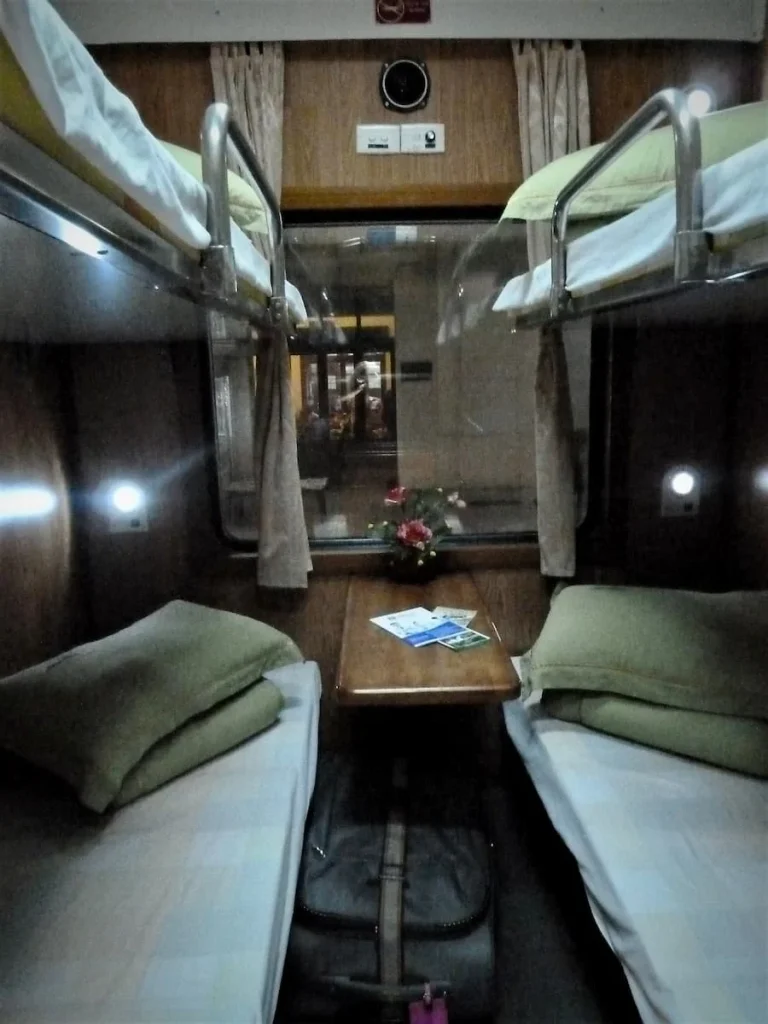

Be-lavie Tip: cabins in these trains are pretty small and intimate, we’d recommend booking a four berth cabin for your trip.
Train Tours in Vietnam for Rail Lovers
If you are slow travelling through Vietnam and can spare the time, we’d thoroughly recommend booking one of these scenic train tours combined with a local stay will give an insight into a more local way of life, complete with a guide. We would most definitely add one of these to our trip when we return to Vietnam.
- Futa Bus Line – Although not always on time, these buses are very convenient for inter city travel and are relatively clean and comfortable. More information and timetables.
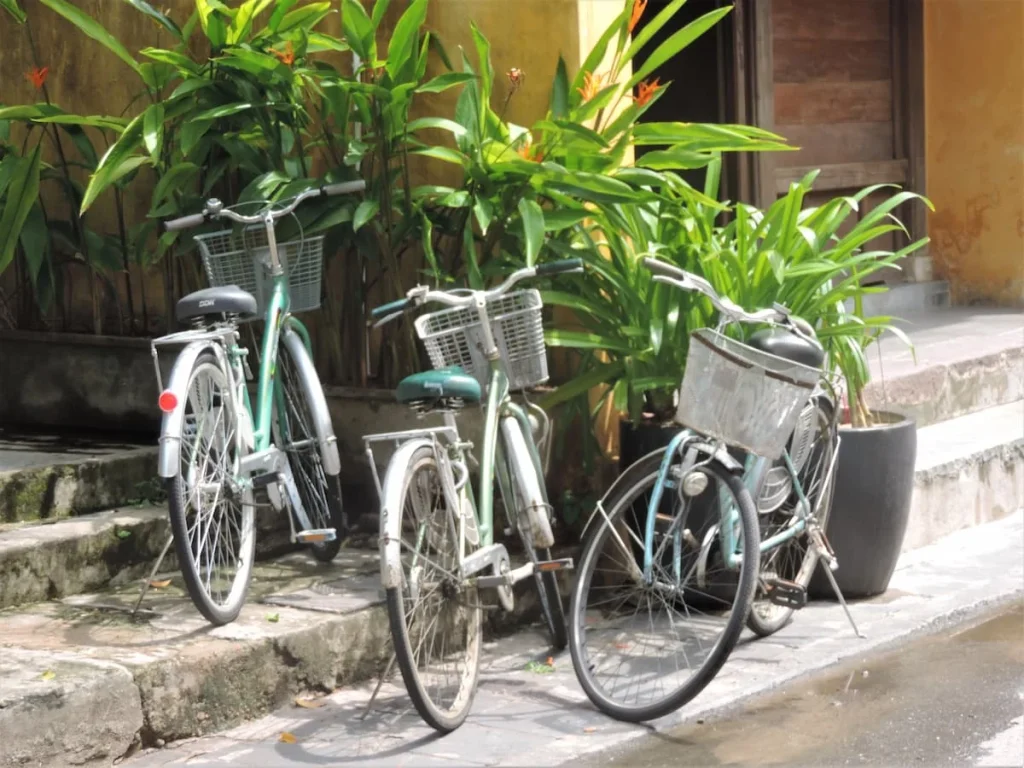
- Cycling – we would only really recommend this in Hoi An, as there aren’t well defined cycling routs in major cities like Hanoi and it can be quite confusing. Hoi An and its surrounding countryside is perfect to explore the area.
Be-lavie Tip: If your accommodation rents bikes by the day, this is a great way to test out cycling in the city but there are also many organised tours that you can take as part of a group which are by bikes.
Hoi An Cycling Tours
If you prefer spending some time in the countryside surrounding Hoi An, here are some of our top picks for half day guided tours, which are a great eco-friendly activity and allow you to spend some time in nature. They also incorporate heading out to some local villages and other leisurely activities to see crafts people and artisans that reside and work in the villages and make artefacts to see in the local hotel gift shops or Hoi An centre.
#3. Purchase Ethical Artisan Made Souvenirs
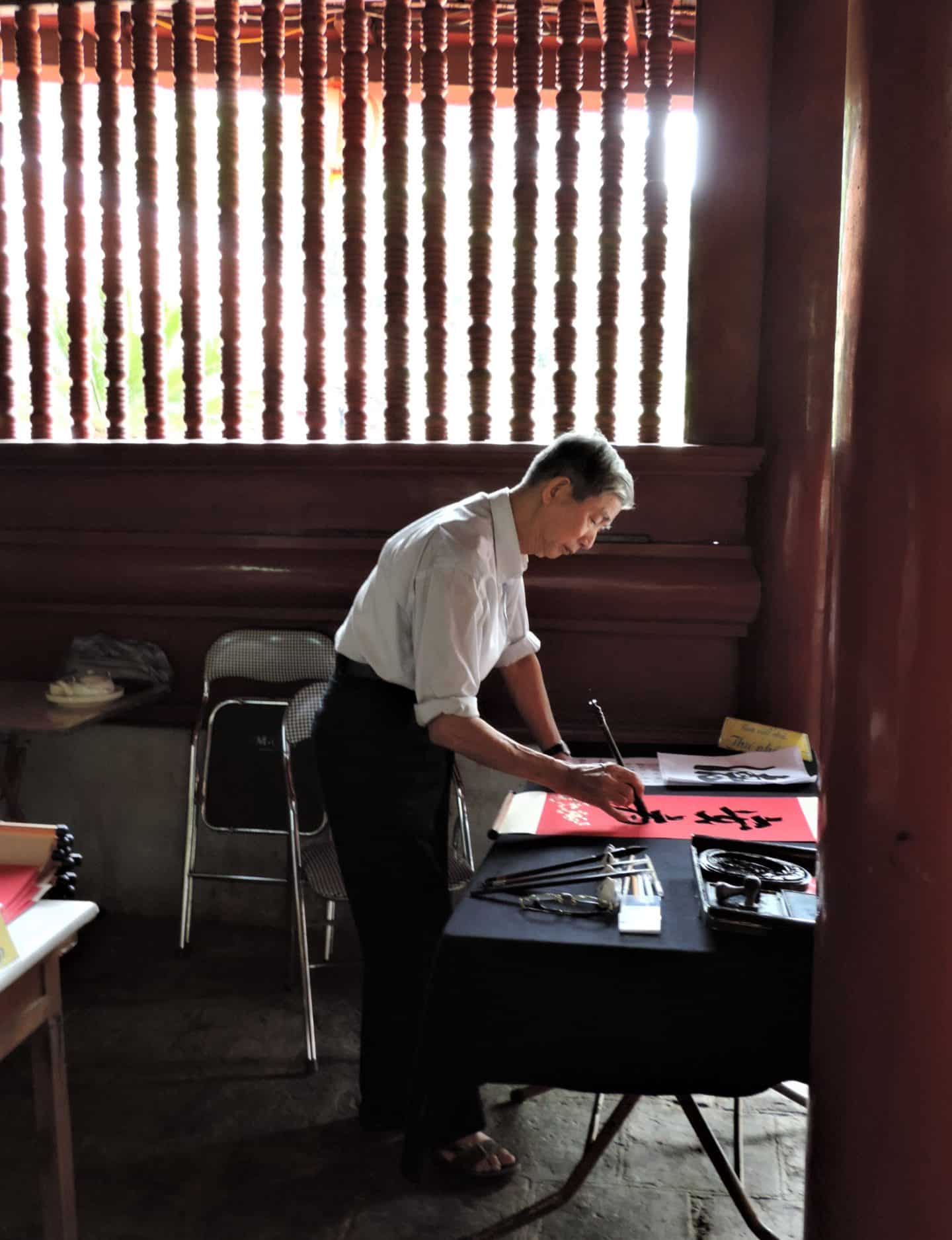
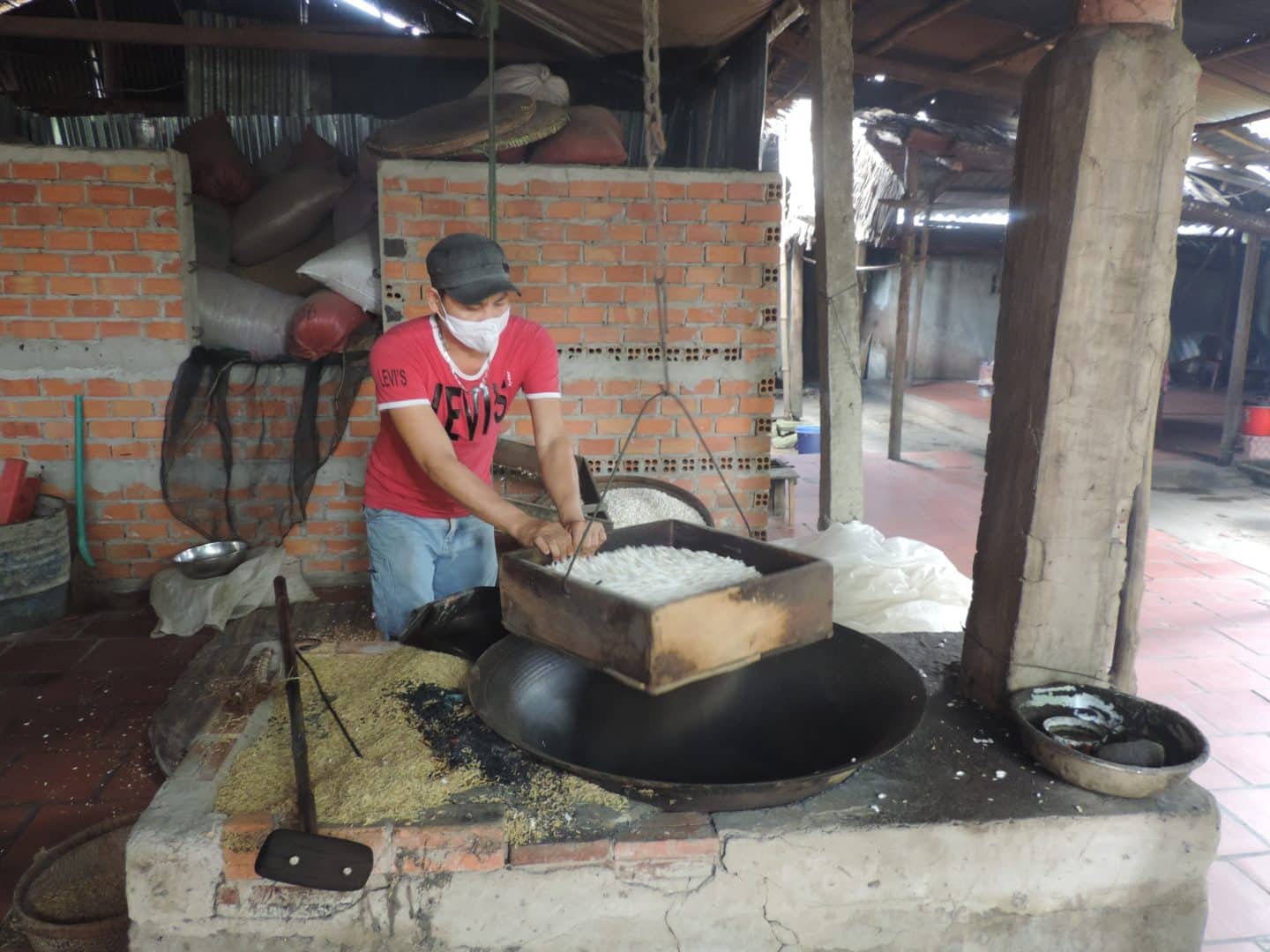
If you want to purchase a memento of your stay in Vietnam, don’t wait for the airport shops or the tourist traps in the big cities. We found lots of local artisanal products like ceramics, textiles, fair-trade crafts sold by social enterprises. This helps keep the money in the local economy.
Local communities and craftsmen and women are preserving the artisan crafts and skills of the country and enabling money to go to them by purchasing their products, this allows them to continue to ensure the preservation of their heritage. This way your purchases will have a personally story behind them and make an even special gift.
A few examples of Arisan local places to shop
- Craft Link – A fair-trade company, located in Hanoi, making artisanal teapots, cups, bedding, jewellery and more by people with disabilities.
- Indigo Cat – A locally owned shop in Sapa that helps ethnic minority tribes people to produce traditional textiles made from natural indigo dyes with the use of batik.
- Reaching Out Ceramics – If you’re in Hoi An, this is the place to buy ceramic tea sets which ensure the people that make them with disabilities get a fair income.
- Sapa O-Chau – As the name suggests, from the hills of Sapa, this social enterprise supports the education of teenagers and adolescents by selling handwoven textiles such as blankets and shawls
#4. Support Ethical Nature & Wildlife Tours
We would always advocate avoiding any kind of wildlife where they are made to partake in performances and shows. This includes riding, cuddling. touching and taking selfies. Wildlife belongs in the wild not for human entertainment. This way we can support and nor exploit the natural wonders unique to Vietnam.
Opt for wildlife experiences and nature focussed activities such as:
- Greenviet – are based in Da Nang and run eco-tours in the Son Tra Nature Reserve to see rare monkeys.
- SVW (Save Vietnams Wildlife) – A rescue centre in Cuc Phuong, that does a grand job in protecting Pangolins.
- Sapa Sisters Trekking – A social enterprise which is run by Hmong women who have challenged patriarchal structure within their ethnic group. They are a great options for guides in the area and are very a familiar with the hiking trails in the hills.
- K’Ho Coffee – coffee lovers why not visit this cooperative that helps to support the K’Ho ethnic group of farmers


#5. Consider Slow Travel Through Vietnam
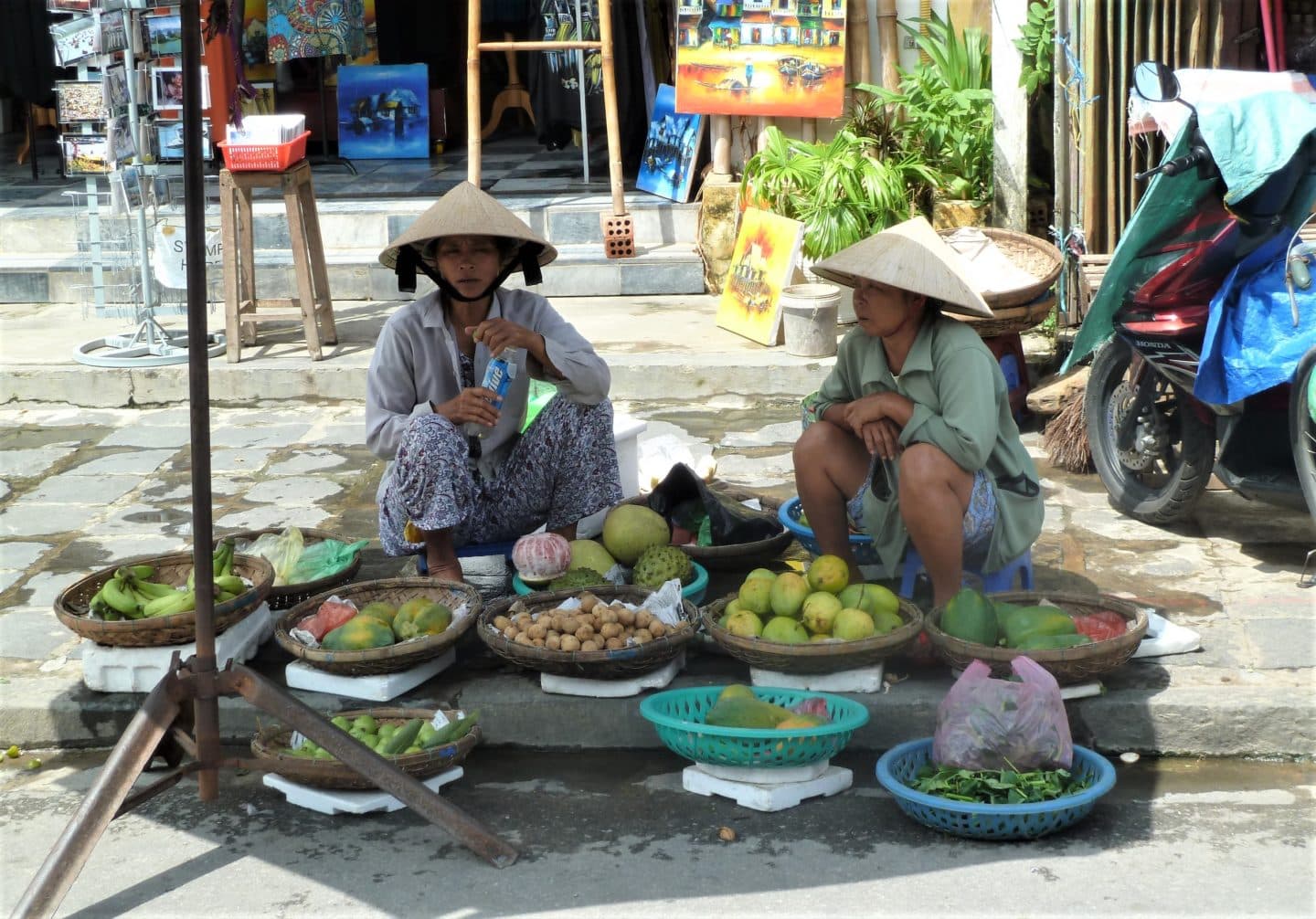
Unlike our visit to Vietnam, if you have the luxury of time, we’d urge you to stay longer and stay longer in one place in the country. This gives a more deep and meaningful connection with locals and being apart of the daily life at the locale, as opposed to fast-tracking from one city to the next and checking things off a list.
Slow travel means, more time to connect with local communities and invest in their economy as well as using less transport to get around, lowering emissions.
6. Respect the Local Culture
Although Vietnam has many modern advances, remember that it’s a pretty conservative country and adopting some respect and doing things the local way is key by observing cultural appropriation. Respecting cultures is a really important part of responsible tourism. Here are some pointers on etiquette that we learnt during our visit:
- Always take off your shoes and hat before you enter someone’s house, temple or pagoda.
- Dress modestly, especially when visiting religious sites. Ensure knees and shoulders are suitable covered.
- Do not block an alter, which is a place of religious worship in somone’s house or at a business such as a shop. This is deemed not to be respectful to their ancestors spirits.
- Leave public displays of affection like hugs and kisses closed doors or for once your back at your hotel.
- Ask before taking photos of someone to be respectful. Nine times out of ten the Vietnamese will say yes but remember to take consent just as you would elsewhere.
- Learn some local lingo,like the universal way of saying hello and thank you, ‘Xin Chao’.
#7. Eat Plant-based or Seasonal Local Food
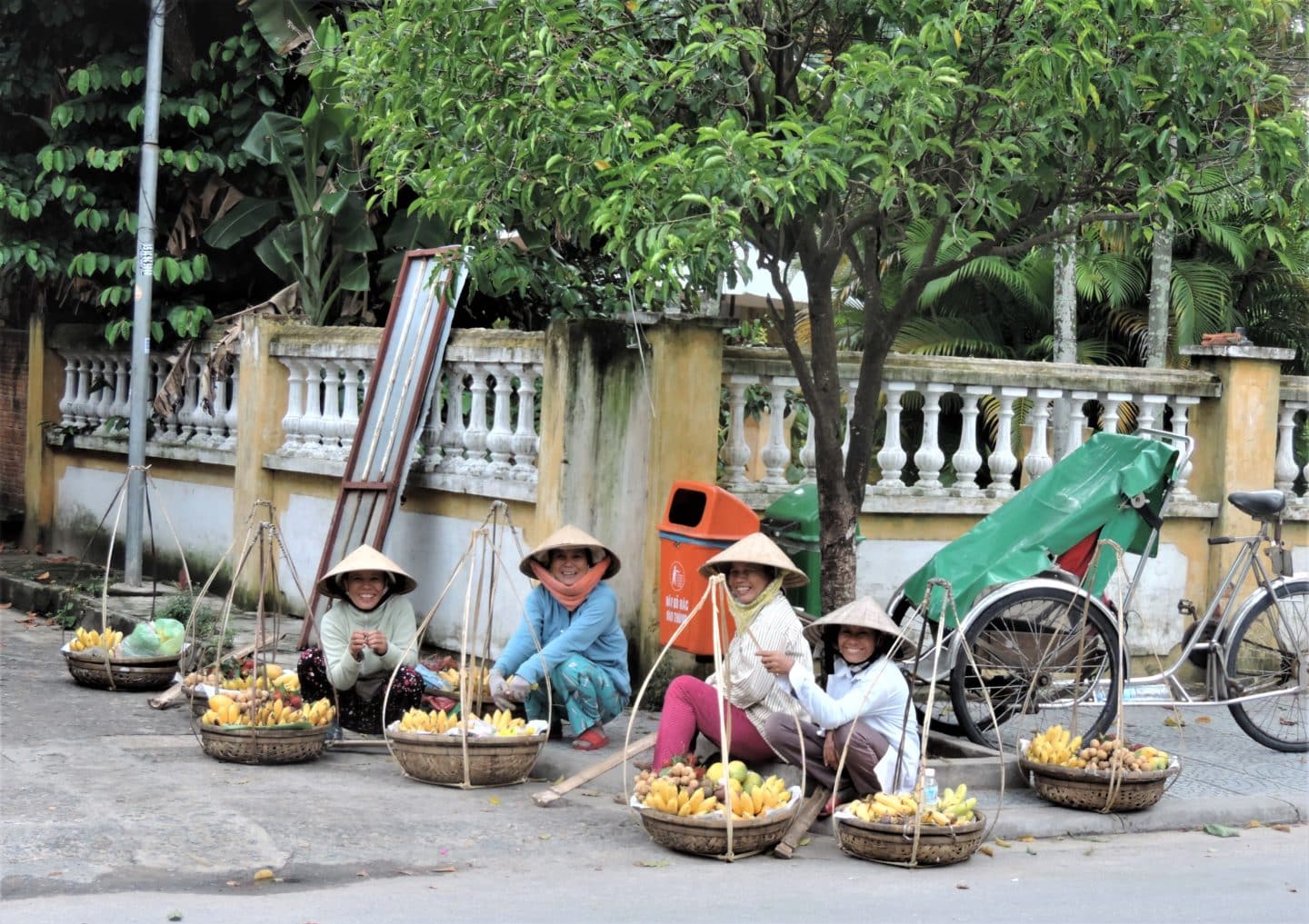
We can all reduce our environmental impact by opting to eat plant based foods in Vietnam. Much of the diet of locals is naturally vegetables, noodles and bean curd based broths. Eating out or with local families at home stays involves having a number of dishes and everyone shares so everyone can have a taste of everything. Bowls are filled with rice and chopsticks are used to pick up little morsels of food from the plates and add to individual bowls. Following eating chopsticks should be left next to your bowl, This is some etiquette we learnt from our guides during our own Vietnam visit.
Just like the Indian culture, the Vietnamese use their right hand to eat, pass money, make a toast.
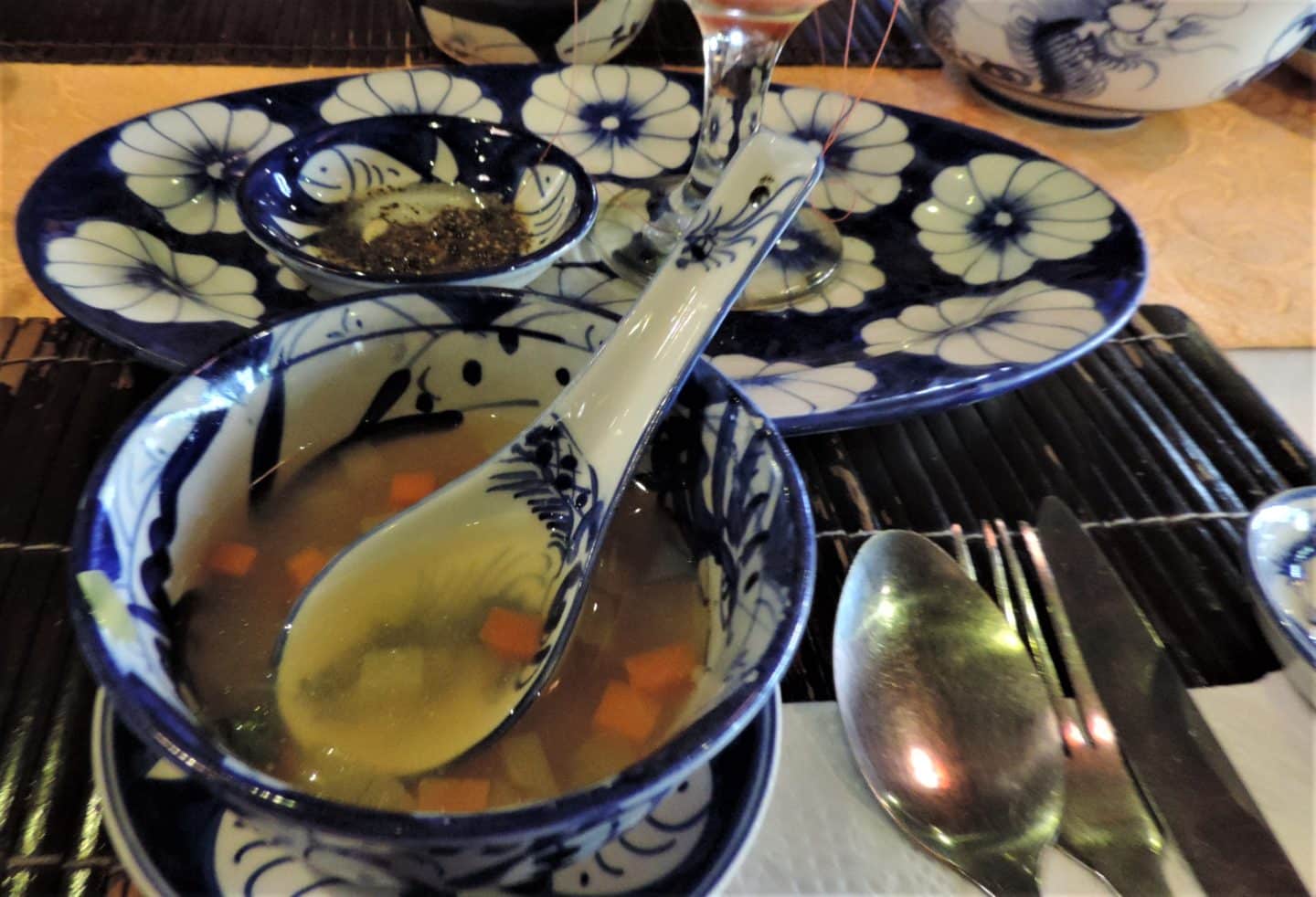
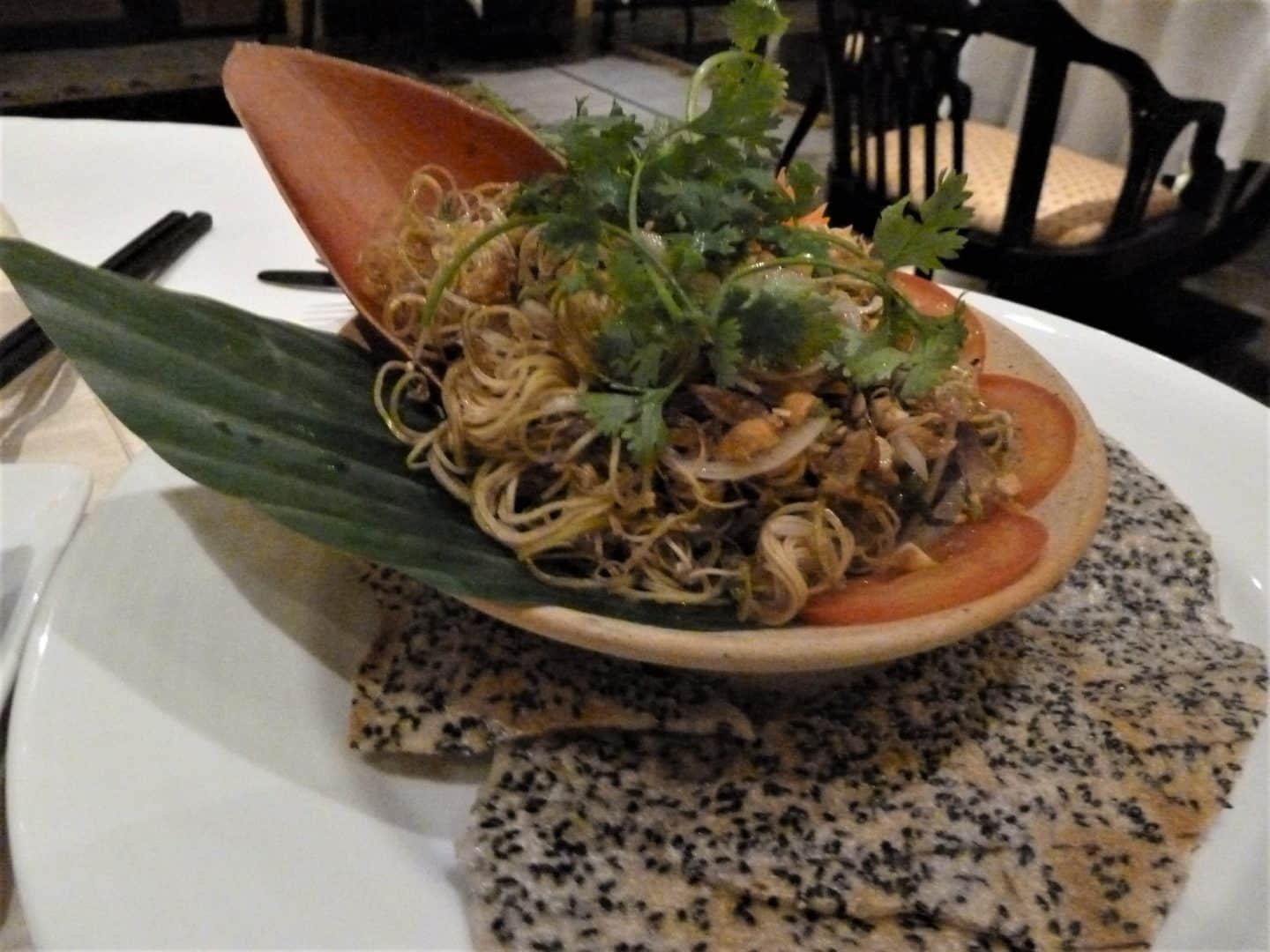
Delicious examples of vegan or vegetarian food are Pho Cay (vegetarian Pho), Banh mu Chay (vegan banh mi), vegetarian crepes eaten in central vietnam called bánh xèo, Xôi, Vietnamese sticky rice is eaten often for breakfast. Those with a sweet tooth, should try Chè a dessert, often served either hot or cold. Cold chè is made with jellied ingredients and fruit such as bananas, mangoes and longan, then covered in coconut cream.
There are plenty of vegetarian options in Vietnam, especially if like us you find yourself at a Buddist run cafe or restaurant. These are generally quite basic but always filling and delicious.
A cooking class with a local is also a great way to connect with the food scene and have a chance to learn how to cook some traditional dishes using seasonal ingredients. We would recommend Green Bamboo Cooking School in Hoi An, which lasts around seven hours, which gives a full hands on experience. The personalised cooking class has a menu that is tailored to your dietary requirements and involves heading to the market first to pick up ingredients, a free gift as well as recipes and drinks and snacks throughout the day. The finale is tucking into the food that you’ve made!
Plant-based Cookery Experiences
As well as the Green Bamboo Cooking Class in Hoi An, there are a number of food and drinks experiences you can take part in.
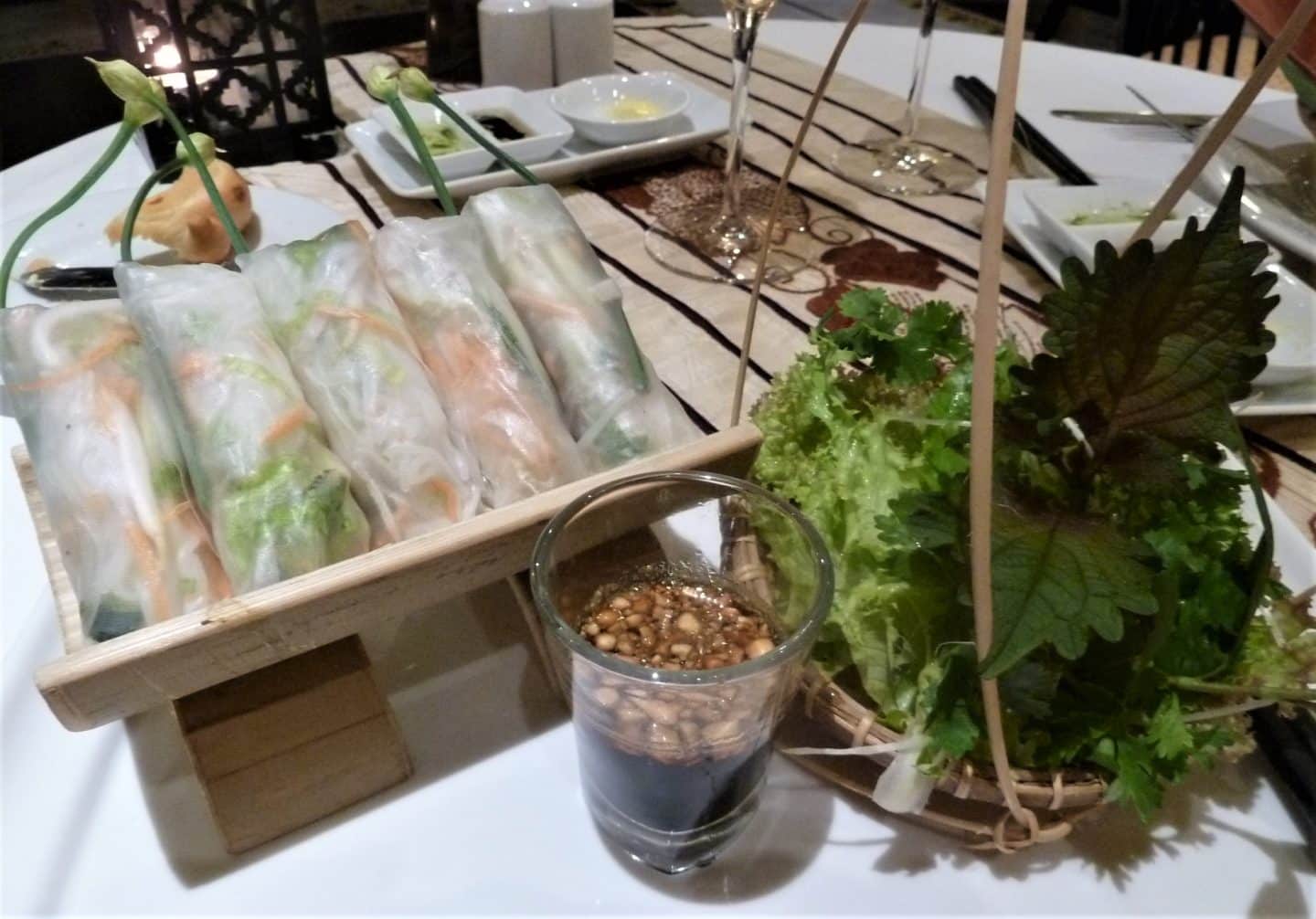
We learnt to make fresh spring roles at ours and have included some of our favourite activities that we feel you may enjoy below. Most will provide transportation to hotels if within a reasonable distance.
#8. Avoid Carrying Single-use Plastic
During our time in Vietnam we noticed the impact plastic causes when it washes up on beaches, the roadside as well as in the limestone inlets around Halong Bay. We advocate not using any single use plastic at home let alone take it away on travels when there are so many alternatives available. Reusable options are plentiful and easily available. Here are some of what we carry when travelling:
- Refillable water bottle – these can be filtered or UV treated. We carry the squeezable, BRITA Sports Water Filter Bottle which includes 2 MicroDisc Filters and is BPA free. It filters chlorine, organic impurities, hormones & pesticides.
- Reusable tote bag – perfect to carry shopping or take to the beach and we never leave home without ours Whether we’re travelling or just popping to the local shop, our go to is the ECO CHIC Lightweight Foldable Reusable Shopping Bag which is also water resistant and takes up little room.
- Reusable cutlery set – for when you’re eating on the go or heading to markets in Vietnam and want to grab some picnic items. We have a similar set to this eco-friendly bamboo cutlery set which is perfect for travel and Includes a bamboo straw, fork, knife, spoon, straw cleaner & cotton carry case.
- Stainless steel or bamboo straws – there are so many great options but we’ve tried these stainless steel Straws which come in a pack of 12 with two cleaning brushes as well as these Bambaw bamboo straws which are biodegradable and come in a pack of six.
- Toiletry bars – shampoo or conditioner bars that don’t require plastic containers. This Natural Spa lemon eucalyptus shampoo and conditioner bar set is handmade in Devon,England and is vegan friendly and suitable for all hair types due to its natural ingredients.
#9. Give Back to Destinations Thoughtfully
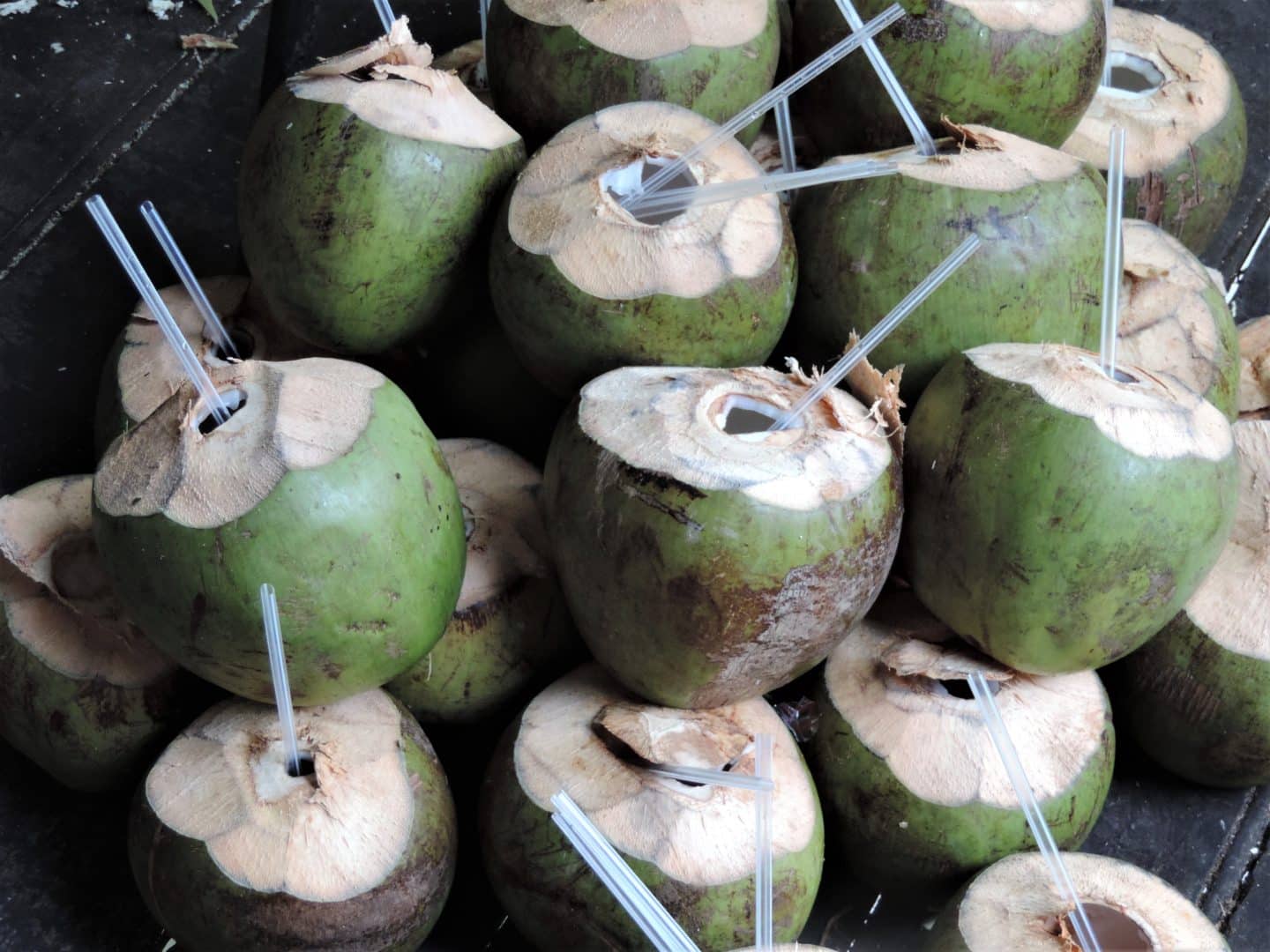
When most of us are travelling we feel we want to give back to the local community as well as initiatives that we see around us. But it’s really important to ensure we give back in a meaningful and responsible manner. By this we mean instead of giving money or even sweet treats to children, we’d encourage that you go and support local initiatives that work hard on achieving long term change that is more sustainable. For example giving children money on the streets would encourage this and possibly lead them not to pay attention to schooling as they have money. Supporting initiatives which place priority on getting children to school is a more responsible way to give. Our advice is always give thoughtfully and research the initiatives and their goals.
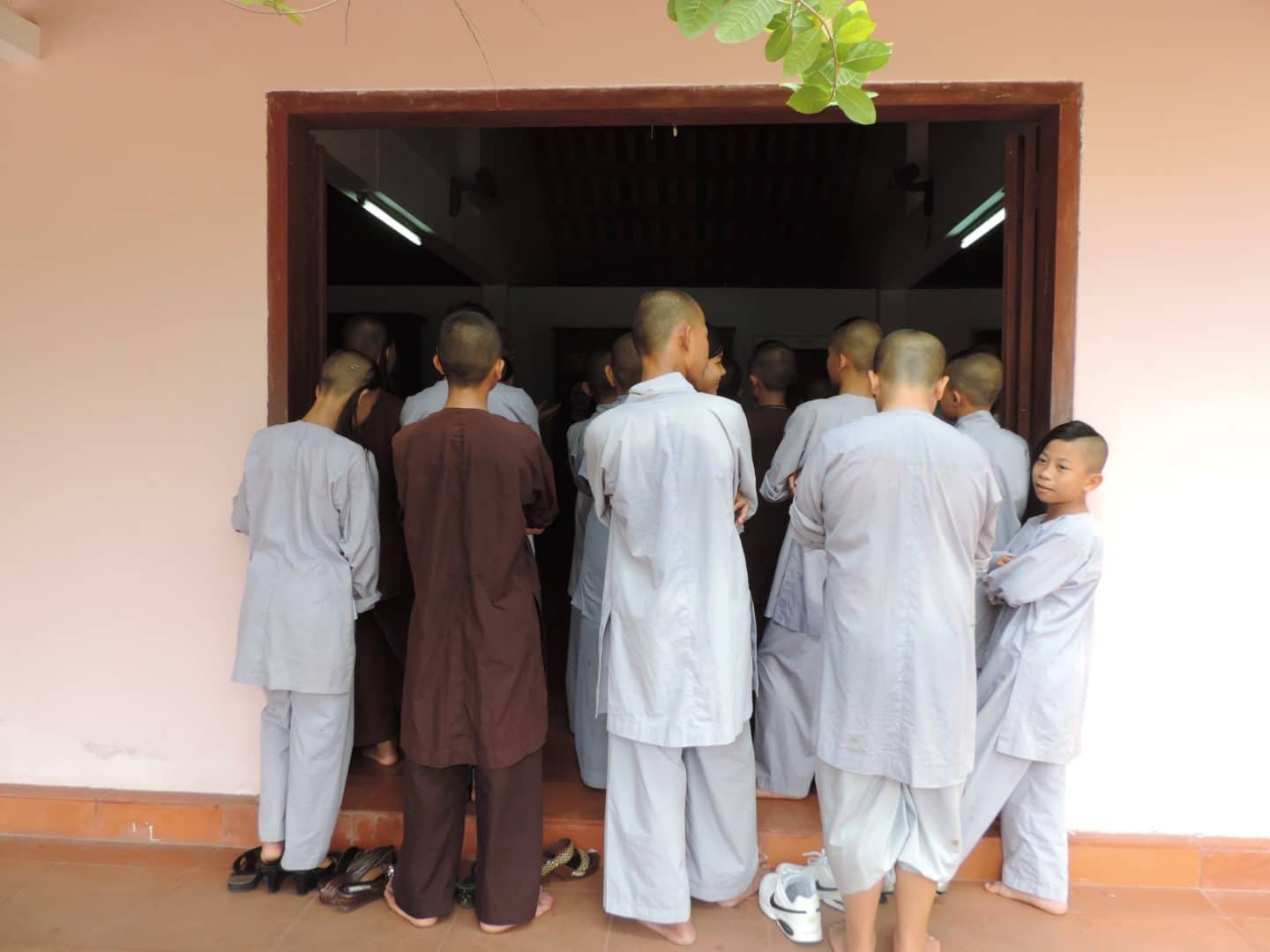
Ways that we have found to give back include:
- Planting trees to offset travel emissions by donating a tree.
- Partaking in beach clean ups in Vietnam and other coastal towns around Asia.
- Dine at social enterprise eateries like Dao Tien Restaurant in Hoi An at the Reu hotel which places a huge focus on sustainability, locally sourced produce and reclaimed materials.
- Non profit organisations like Room to Read Vietnam, helps children in historically low income communities to develop literacy skills with the aim to have access to books and be able to read with ease and therefore enter higher education.
#10. Research Ethical Tour Companies
Unfortunately not all tour operators or businesses place a priority on people over profit. This is really important to use when booking tours. They have to be run by local companies with local guides that know the lay of the land because they grew up in the area. Tour companies that focus on empowering women, indigenous and ethnic minorities or those with disability or any kind of disadvantage are really important to locate and support. A couple of ethical tour companies we’d recommend are:
- Hoi An Kayak Tours – serene, low impact tours gliding through mangroves and less visited mangroves, staying away from tourist spots.
- KOTO (Know One Teach One) – with locations in Hanoi and Ho Chi Minh city, this was Vietnam’s first ever social enterprise. This non-profit social enterprise aids at risk and disadvantaged youths in Vietnam to gain their Australian hospitality certificates to go on and secure future jobs in the hospitality industry.
Responsible Travel in Vietnam FAQ
What are quick examples of eco-tourism practices in Vietnam?
Are eco-friendly hotels, tours and activities expensive in Vietnam?
Is plant-based food available in Vietnam?
What should tourists know about locals in Vietnam?
A Guide to Sustainable Tourism in Vietnam Round-Up
Sustainable travel in Vietnam is about being aware, asking better questions, and choosing with purpose. We truly believe that by making even small, thoughtful changes, visitors can help preserve what makes Vietnam so special. To round up,
A Guide to Sustainable Tourism in Vietnam: 10 Things to Consider is just a starting point. There are so many ways we can all travel more consciously — and we hope this guide inspires you to explore Vietnam with an open mind that allows you to seek experiences that allow you to make real memories but also to give back to that very place that has inspired you.
Resources To Help Plan Your Trip
- Flights: Search & Book the best flight options through SKYSCANNER
- Travel Insurance: An absolute must-have! Check rates on SAFETYWING
- Hotels: Choose from a wide range of accommodation with BOOKING.COM
- Trains: Get the best available options for rail passes with OMIO
- Buses: Scope out the best coach travel deals in Europe with OMIO
- Car Hire: Compare, search & secure the best vehicle to suit your needs with DISCOVER CARS
- Activities: Personalise your travel with top destination experiences with GET YOUR GUIDE & VIATOR
- Shopping: A one-stop online shop for all your travel shopping needs, including travel guides AMAZON
- Traveller Reviews: Check unbiased reviews for accommodation, tours and restaurants at TRIPADVISOR
- Travel Resources: Access Be-lavie’s full-list of tried and tested PARTNERS
- eSIM: Keep roaming charges low with an eSIM from AIRALO
À bientôt

Pin & Save
If you enjoyed this article, Pin & Save to Pinterest to refer back to later.

nikobari
nice one Bejal!
I see Jungle boss is providing eco tourism for Phong Nha caves in Vietnam too.
They have a goal to hit net zero travel target in next few years.
Have you visited Phong Nha ke bang national park of Quang tri?
Bejal
nikobariThankyou!
Thanks for your comment. It’s great to see Vietnam puts such a eco forward emphasis on many initiatives. I did visit but it has been a very long time ago now for me.