
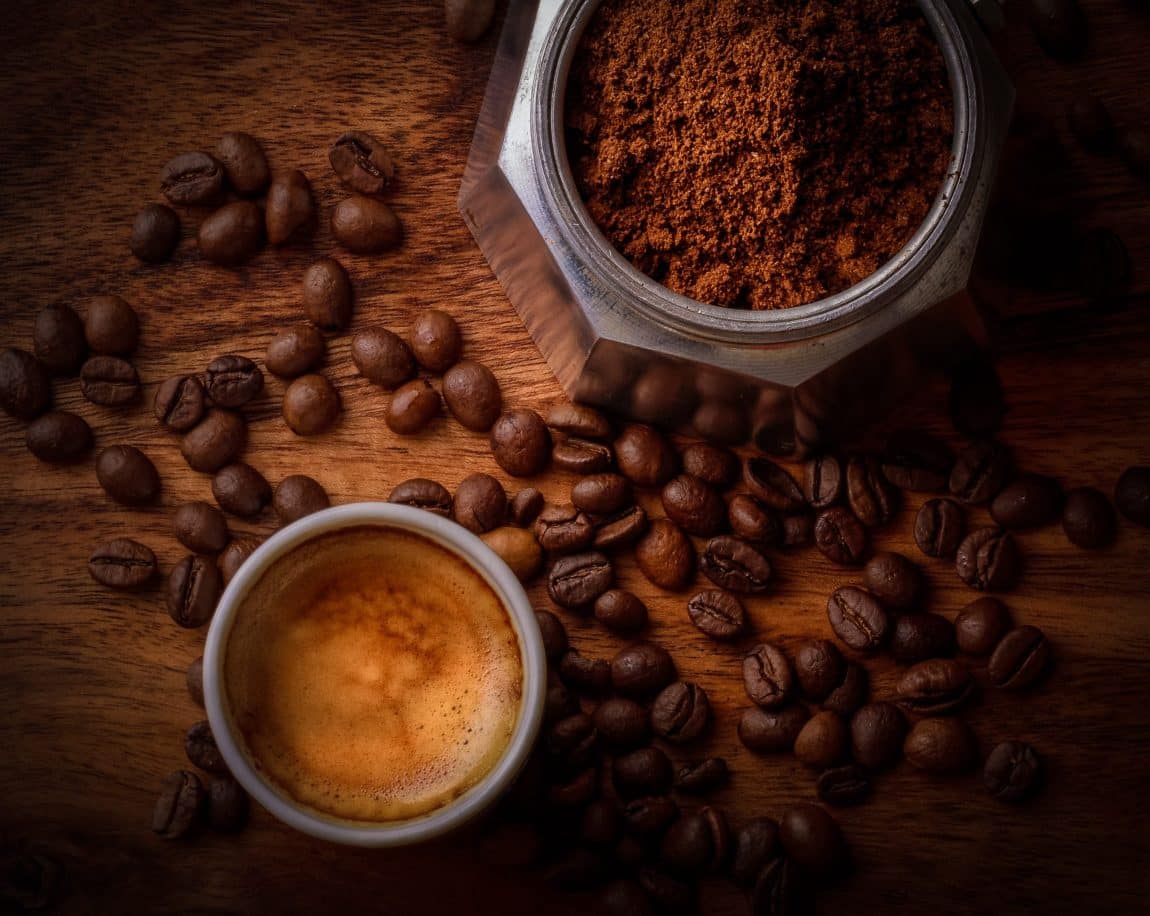
COFFEE TOURISM: EXPERIENCE SOME OF THE WORLD’S BEST COFFEE DESTINATIONS
Last Updated on 1st March 2026 by Bejal
Undoubtedly coffee and travel (commonly termed as coffee tourism) produce the richest, smoothest, cultural blend but if you’re a coffee fiend like myself, you’ll have a keen interest in delving into the process of coffee production in their countries of origin.

There are now approximately 70 countries in the world, which have the optimum climate to support coffee plantations based on precipitation, sun exposure and soil composition making them ideal hot spots to visit for coffee tourism as well as an abundance of other draws.
Coffee Tourism
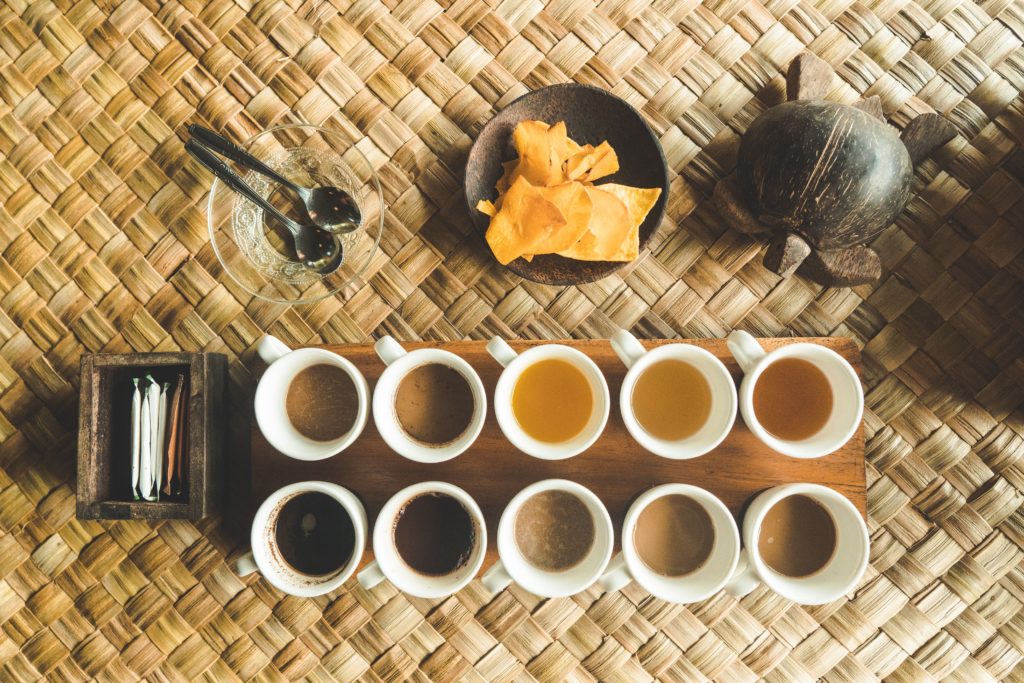
Coffee tourism is as the name suggests visiting countries where coffee is grown. This can mean you’re tasting different types of coffee or simply concentrating on consuming different coffees in the countries renowned for its production, export and consumption.
Having been fortunate enough to travel to the direct sources of coffees around the world and experience the process straight from the plantations to barista training has been quite an incredible experience. Not only some of the world’s most sustainable, culturally diverse places and magnificent landscape but because of this, it makes them an ideal location to grow coffee beans.
By going on tours of coffee plantations it’s possible to supplement the economy of small scale farmers in countries like Cuba, where much of the production is a lot slower than in places like Brazil, Columbia and Guatemala. Be sure to source tours and experiences that are run by local, independent operators for an authentic experience as well as contributing and helping to support the local economy.
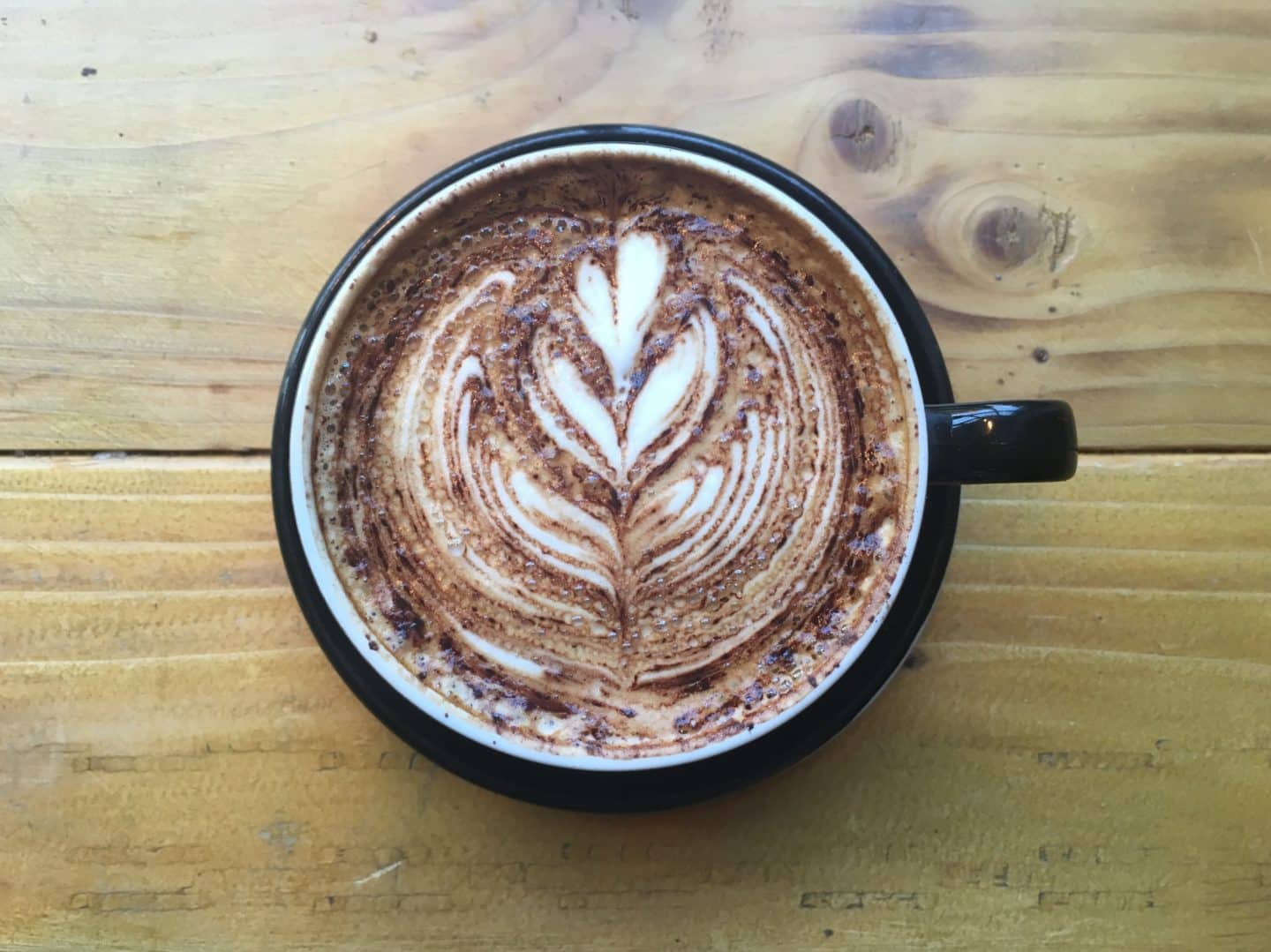
As a side note be sure to look out for uses of coffee grounds. Some great sustainable ideas as well as some personally recommended coffee plantation tours.
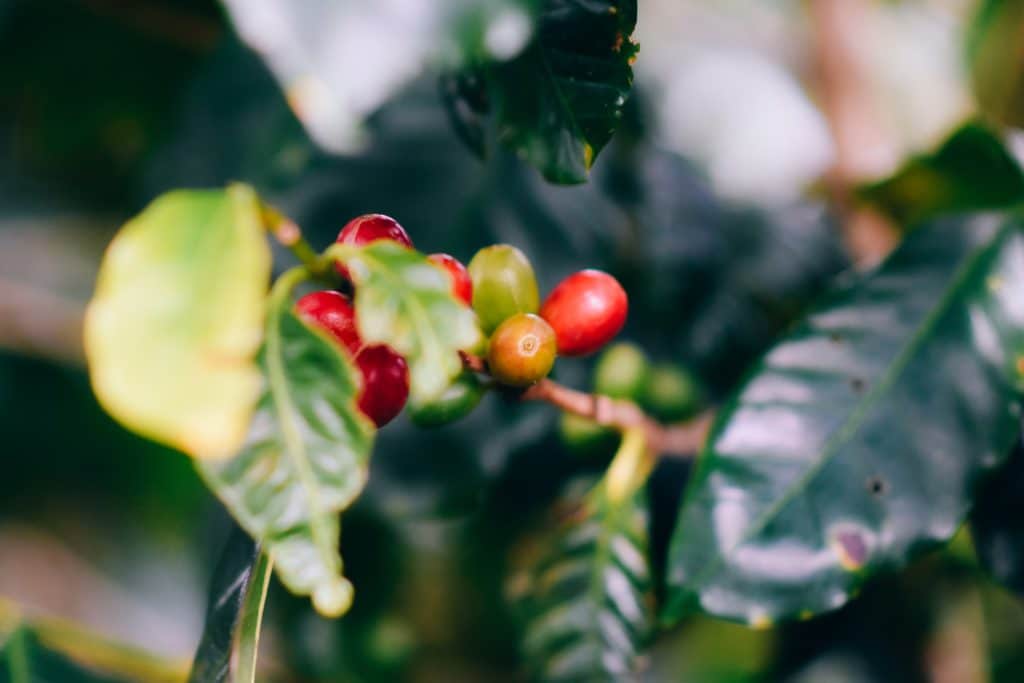
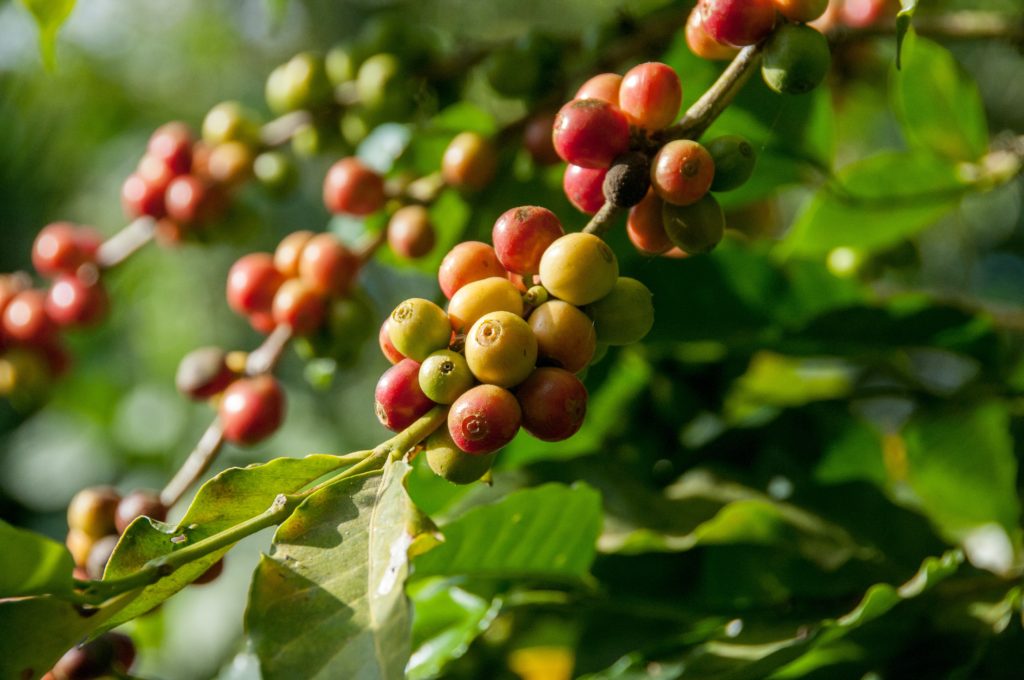
Coffee Background Arabica Coffee is coffee originating in Arabia, also known as Mountain Coffee. Robusta Coffee, originates in central and Sub-Saharan Africa. Coffee is actually a fruit and the bean is the seed.
Peru
Juxta-positioned in the Andes mountain range with volcanic matter, as of 2018, Peru was listed as the world’s 11th largest coffee producer but also 5th in the production of Arabica coffee beans. Small scale farmers plant and cultivate the crop large scale by handpicking and hand processing the beans ready for roasting. The high altitude is thought to yield some great coffee beans.
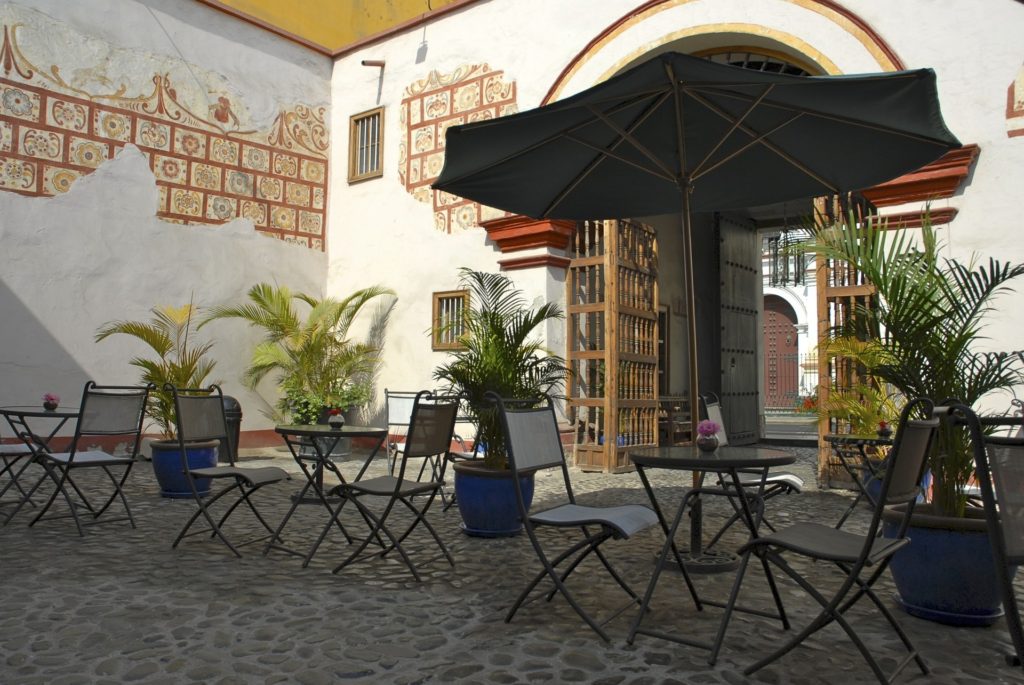
The arabica beans are sweet, bright, mellow and acidic in flavour. If you’re planning a trip a Peru, take a few moments from city life in Lima, the colourful Andean vibes of the Sacred Valley and the draw of Machu Picchu, to explore the coffee plantation.
Coffee Flavour Profile: caramel, acidic, sweet
Coffee Production: 270,000 metric tons/year
Peru Coffee Tours Some tours are incorporated into the Machu Picchu trek around the Sacred Valley or alternatively look for food tours with a focus on coffee in Lima, Arequipa or Cusco
Read Further Peru Articles Lima – Cusco – Sacred Valley – Machu Picchu
Guatemala
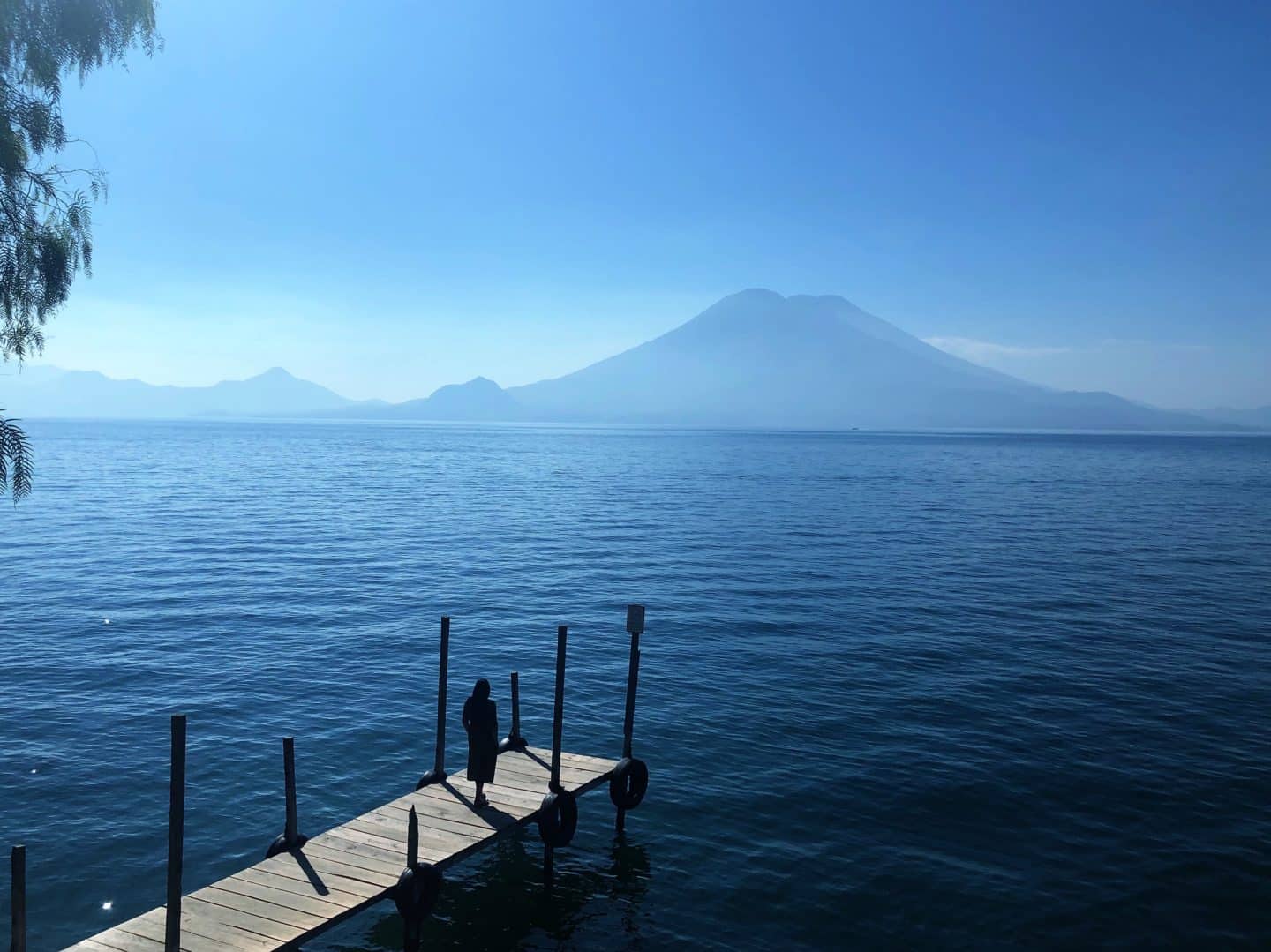
Guatemala has rich, fertile soil that is naturally fertilised by nearby volcanic ash, low humidity, sun and cool nights. Some areas even have clay-like soils with limestone whilst others are at high elevation.
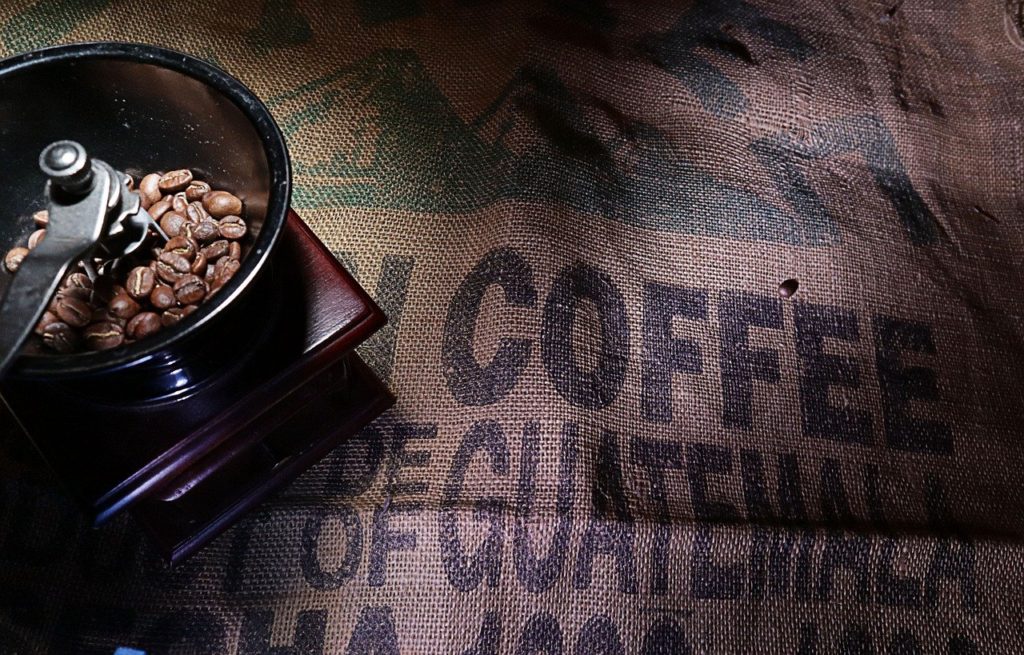
For best places to see Guatemalan coffee production head to Antigua, Acatenango valley or Atitán.
Guatemala is known for its production of high-quality coffee and is regarded as one of the best types of coffee in the world. The most famous variety of coffee is known as Antigua Volcanic and has a heavy, strong aroma with hints of smoke!
Coffee Flavour Profile: Floral, summery, aromatic
Coffee Production: 204,000 metric tons/year
Read Further Guatemala Articles Antigua – Lake Atitlan – Lake Peten – Tikal
Brazil
Brazil is responsible for a third of the world’s coffee production. The rich soil means that Brazil is able to produce Arabica and Robusta coffee beans. I visited Bahia, where primarily Arabica is grown. Brazilian coffee is produced using the dry process, where the unwashed coffee beans are dried in the sun as opposed to washing. If you love cocoa, Brazilian coffee has a beautiful unique rich bittersweet cocoa taste.
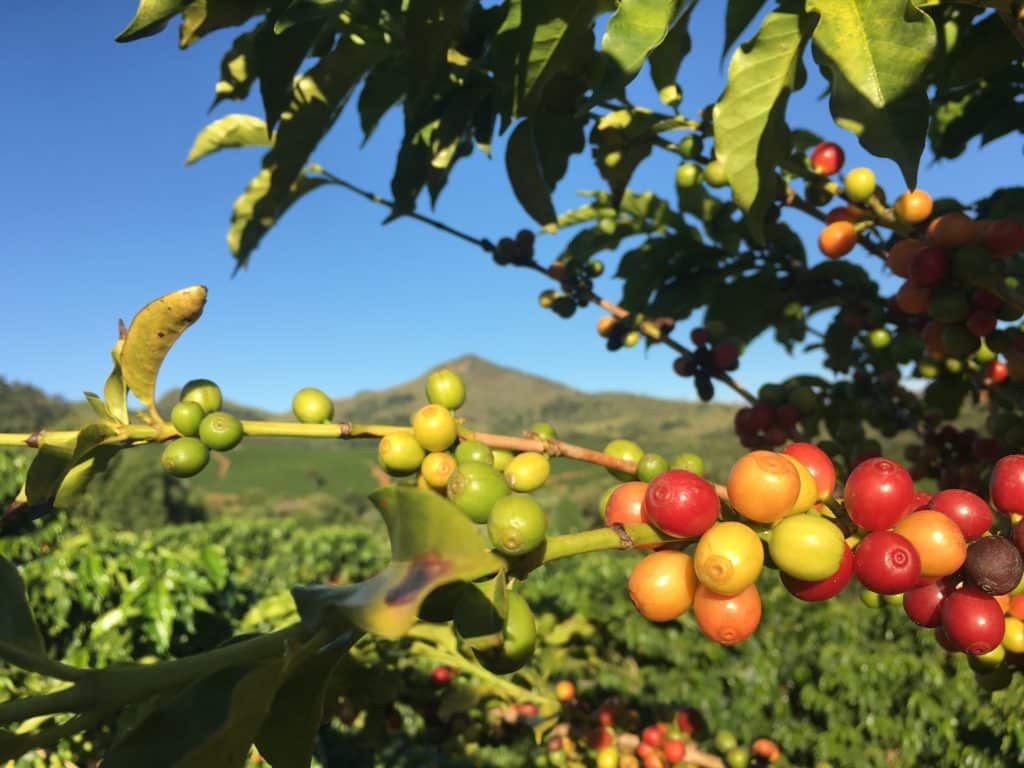
As well as coffee trails Brazil is an incredible place to visit from the Amazon to the capital city of Rio and the UNESCO World Heritage sites of Salvador de Bahia and quaint fishing villages in Bahia such as Praia du Forte.
Coffee Flavour Profile: nutty. Chocolatey. clean
Coffee Production: 2592,000 metric tons/year
Read Further Brazil Articles Iguazzu Falls – Salvador de Bahia – Praia du Forte – Rio de Janeiro
Indonesia
Being situated near the equator and in mountainous regions makes Indonesia well placed for coffee production. The country produces Arabica and Robusta in different regions and well known for having less acidic arabica coffee beans blended with South American ones. Indonesia is most certainly not all about the infinity pools, lush landscape, great diving and spectacular beaches.
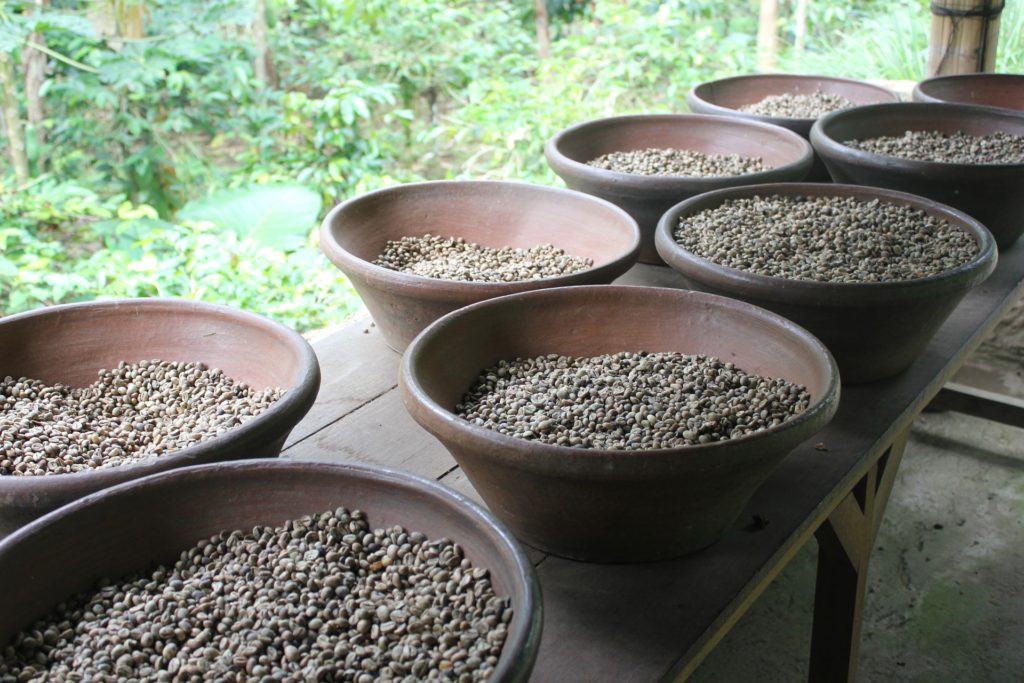
Bali in particular offers incredible home-grown coffee and the scenery and character don’t disappoint either.
Responsible Tourism Indonesia’s most expensive coffee is Kopi Luwak. It’s made from coffee beans plucked from a Civet’s poop. A civet is a small mammal closely related to a mongoose. Their digestive enzymes change the structure in the coffee beans removing some of the acidity to provide a smoother coffee experience. I wouldn’t recommend this as Civets kept for this purpose are locked in confined conditions in cages, it is inhumane. The civets are fed bins full of coffee berries in captivity whereas in the wild they climb trees to forage fruit. PETA have reported large numbers of Civets suffering from psychosis locked in small cages. Please source experiences responsibly and do your research.
Coffee Flavour Profile: sweet, acidic, deep
Coffee Production: 168,000 metric tons/year
Bali Coffee Tours Munduk Moding Organic Coffee Plantation produces sustainably grown coffee
The Munduk Moding Organic Coffee Plantation, lies on the stunning grounds of a beautiful nature resort and spa. A stunning Balinese retreat to experience calm and tranquility and support the surrounding coffee plantation. A great one for those who wish to combine and support a coffee tourism stay.
Costa Rica
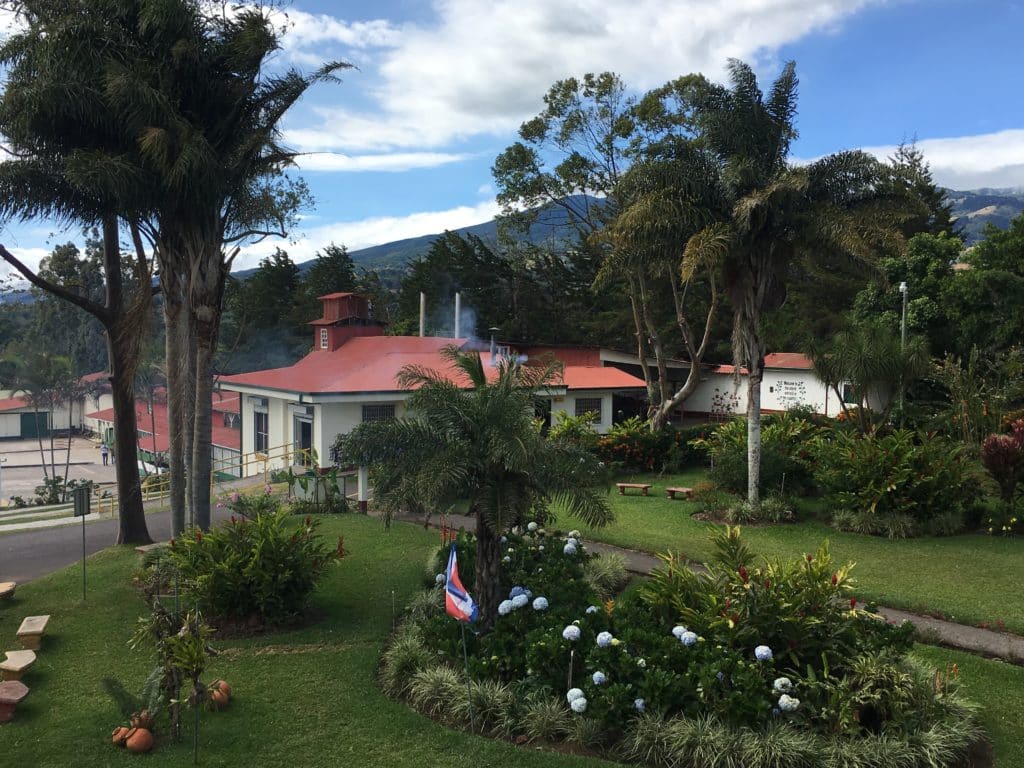
Costa Rica’s sustainable and most diverse ecosystem is a big draw for visitors, not to mention the deserted beaches and rainforests. Wherever you stay in Costa Rica, you won’t be too far from outstanding coffee.
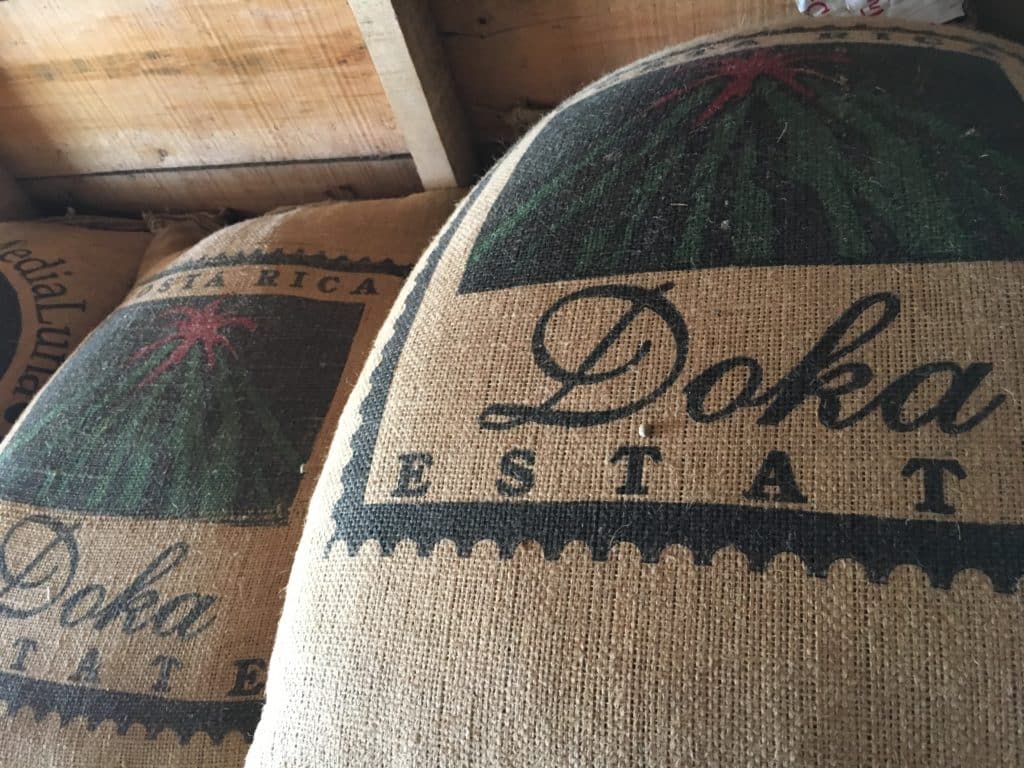
I have personally visited two coffee estates in Costa Rica, one being the Doka estate close to the capital of Costa Rica, San Jose and the second, El Trapiche in the Monteverde Cloud Forest.
With different climates and terrains at every turn, each region produces distinct coffee, with completely unique characteristics.
Coffee Flavour Profile: smooth, walnut, soft
Coffee Production: 170,000 metric tons/year
Read Further Costa Rica Articles San Jose – Monteverde Cloud Forest – Arenal
Cuba
Until the Cuban revolution in the 1950’s Cuba was exporting large amounts of coffee, but since then things took a huge hit and due to the trade embargoes, only about three quarters of Cuban coffee stays within the country!
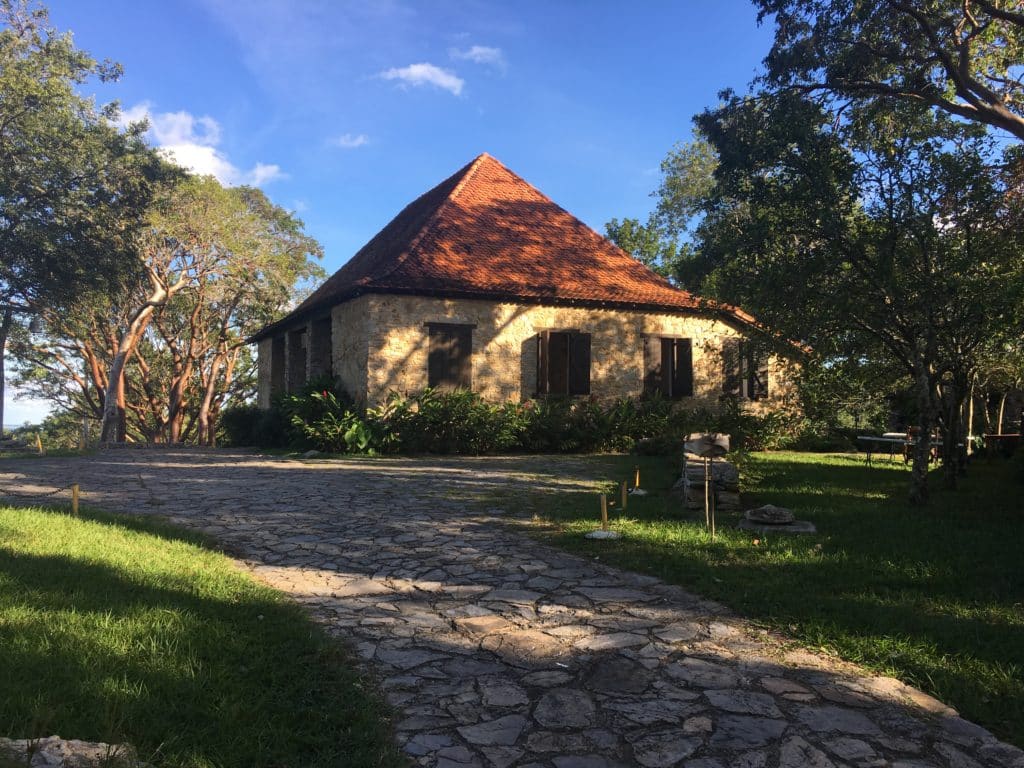
Due to the mountainous island, Cuba mainly produces arabica coffee, however much of it is not classed as good coffee as a lot of farmers are still in their early years of coffee production. Although the coffee quality is improving year by year and is becoming a major part of Cuba’s economy again.
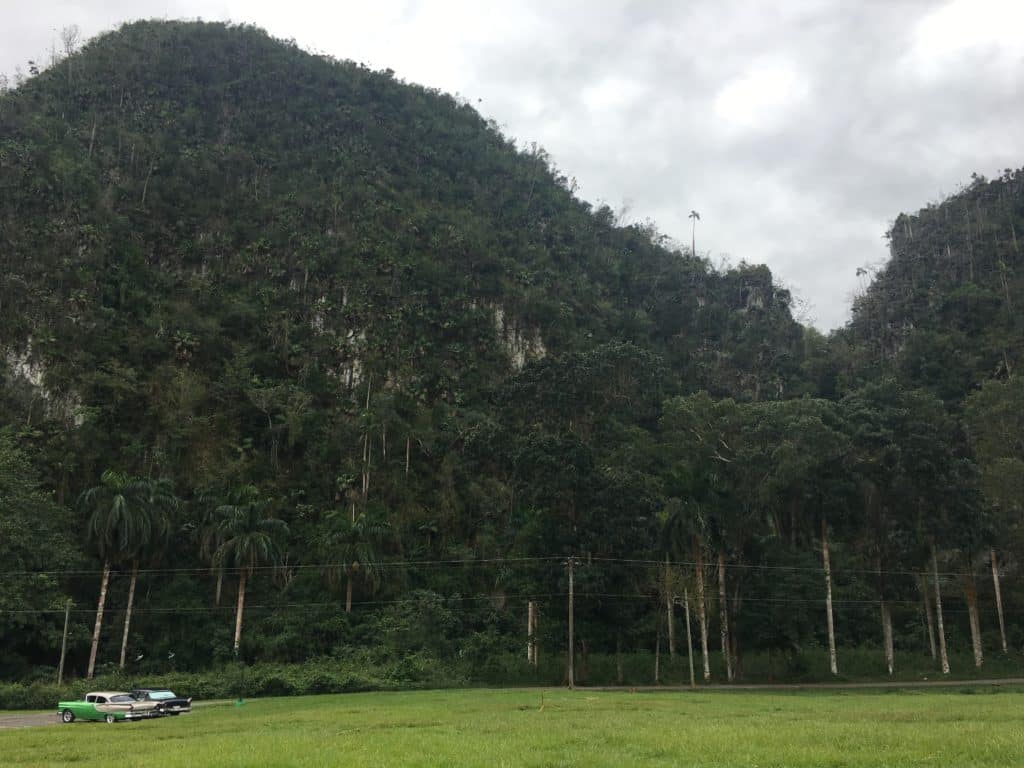
Most of the Cuban coffee found in Europe comes from micro-farmers and is part of many direct fair trade programs. Normal espresso blends normally don’t contain Cuban beans, so far. Because of the unique conditions of the Cuban coffee cultivation, some of the Cuban coffees feature unique aromas like wood or even tobacco. One of the coffees known for these aromas is called, Turquino, a speciality coffee that is said to remind the drinker of Cuban cigars. When visiting the gorgeously vibrant country of Cuba, try and support local coffee production by choosing to visit one of many coffee plantations, which are within easy reach of the capital Havana.
Coffee Flavour Profile: full body, subtle, acidic
Coffee Production: 660,000 metric tons/year
Read Further Cuba Articles Havana – Vinales – Las Terrazes
Vietnam
If you’ve ever been to Vietnam it’s likely that you’ve tried the coffee. It’s pretty distinct taste, usually robusta, which has very little fat and sugar. The Robusta was introduced to Vietnam by the French who colonised there once upon a time.
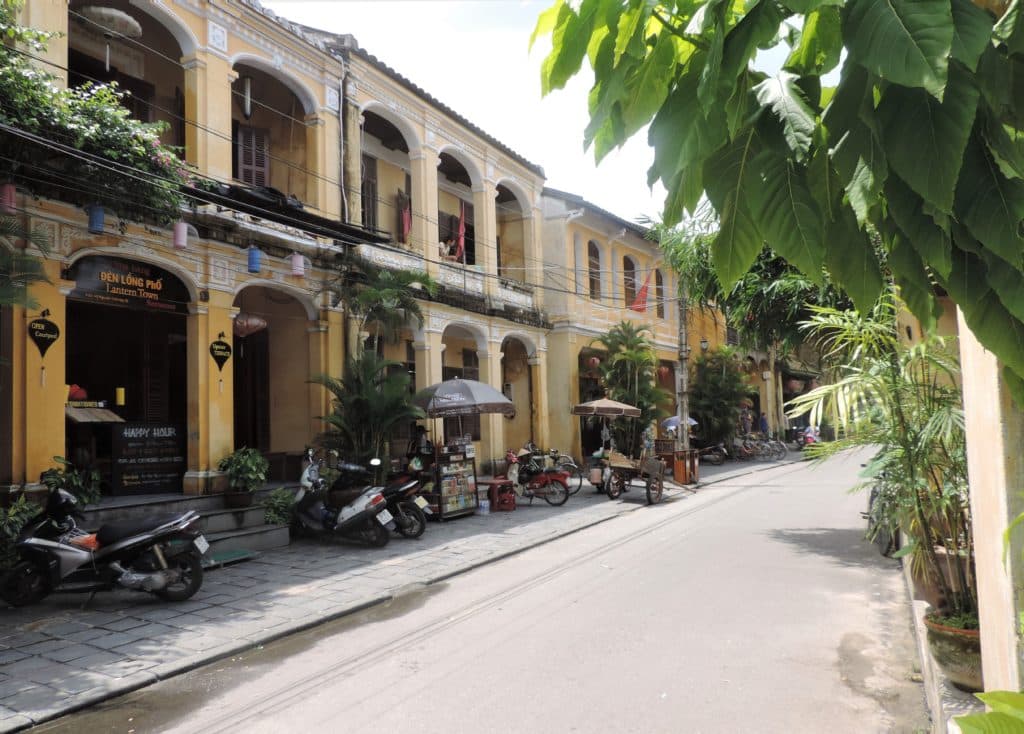
The Vietnamese add butter and sugar to the coffee beans during the roasting process and it’s not uncommon to use cocoa or vanilla during roasting either. The beans are over-roasted on purpose too, for a specific taste. Coffee in Vietnam is grown in the north region of Dam Lok predominantly.
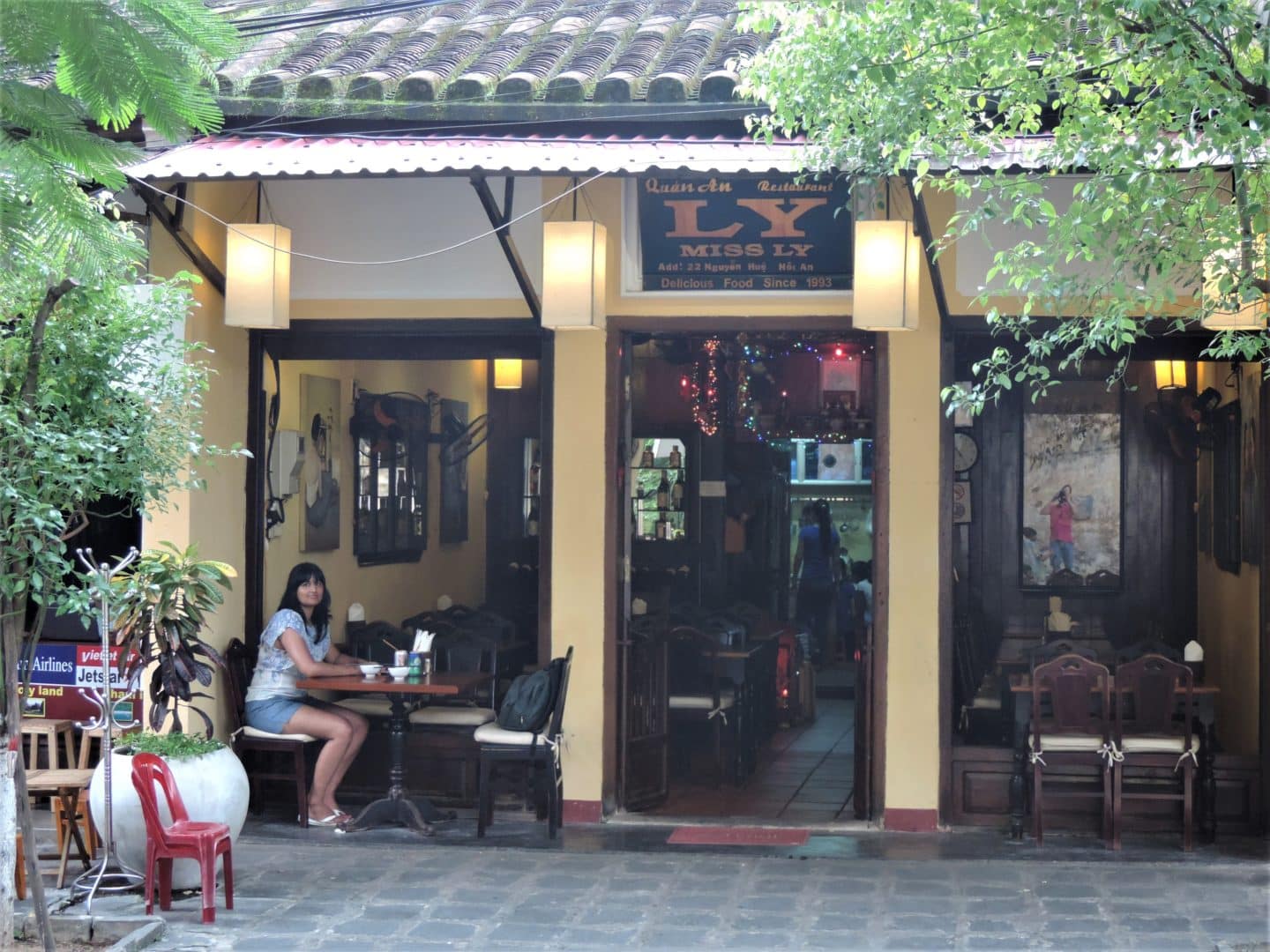
So next time you see photos of the beautiful French quarter in Hanoi, the colonial buildings of Ho Ch Minh City and limestone formations of Ha Long Bay, think Vietnam is also known for its coffee.
Coffee Flavour Profile: thick, strong, acidic
Coffee Production: 1650,000 tons/year
Read Further Vietnam Articles Hanoi – Ha Long Bay – Da Nang – Hoi An – Ho Chi Minh City
Ways to Re-use Your Coffee Grounds
Most people discard the grounds left behind after brewing coffee. However, there are many great ways to reuse them. Check out a few below.
- Repair scratched furniture You can use coffee grounds to buff out scratches on wooden furniture and darken them to match your existing finish.
- Growing mushrooms When combined with adequate moisture, coffee grounds seem to be an ideal growing environment for mushrooms.
- Treat under-eye circles Coffee grounds contain caffeine and antioxidants. When applied to the skin, they can help prevent ageing and reduce the appearance of dark under-eye circles and puffiness.
- Stimulate hair growth Exfoliating your scalp with used coffee grounds can help remove dead skin cells and product buildup and may even speed up hair growth.
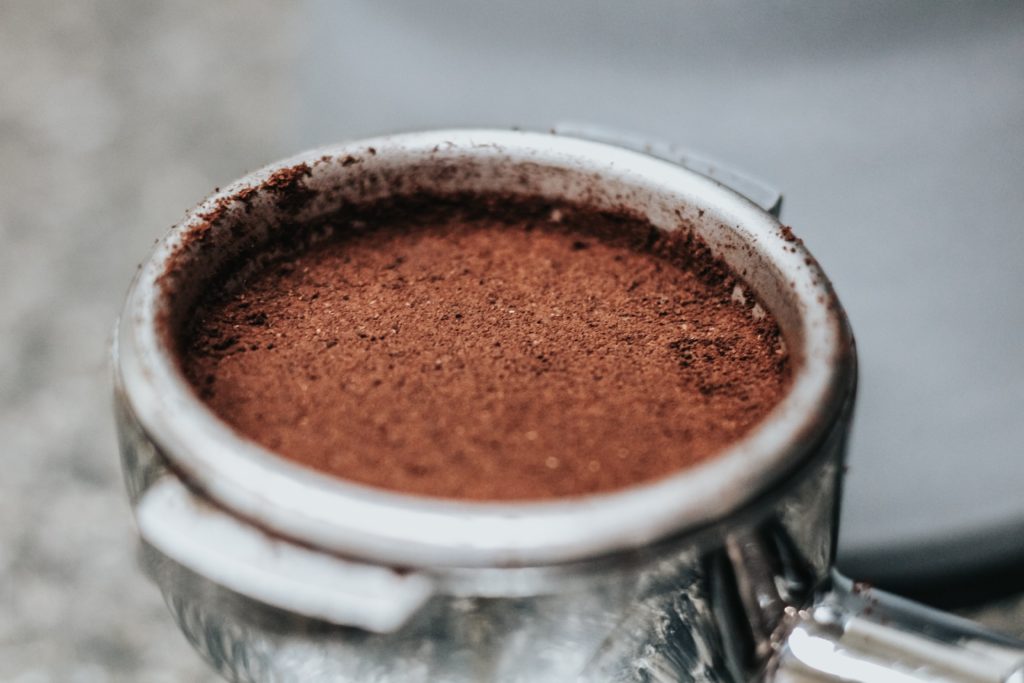
- A natural dye Used coffee grounds are a great natural alternative to harsh chemical dyes. Simply rewet them and use them to dye paper or fabric or darken brunette hair.
- Scour your pots and pans You can use coffee grounds to scour your pots and pans. Their abrasive texture helps scrape away caked-on food.
- Natural cleaning scrub Coffee grounds can be used as an abrasive cleaner. They can help sanitise and remove buildup from sinks, cookware, grills and other surfaces around the house.
- Neutralise odours Coffee grounds can help absorb and eliminate odours from your refrigerator, gym bag or smelly shoes. Using them as a hand scrub can also help remove lingering smells from onion or garlic.
- Fertilise garden Coffee grounds make great fertiliser because they contain several key nutrients required for plant growth. They can also help attract worms and decrease the concentrations of heavy metals in the soil.
Further Coffee Related Reading
- Independent Coffee Shops in (LE1) Leicester
- Casual Dining in Athens
- Bucketlist Guide to The Best of NYC
- Tallinn: A food & Drink Guide
Are you a coffee fan and taken part in any coffee tourism experiences? Let me know which destinations you would recommend in the comments below.

À bientôt

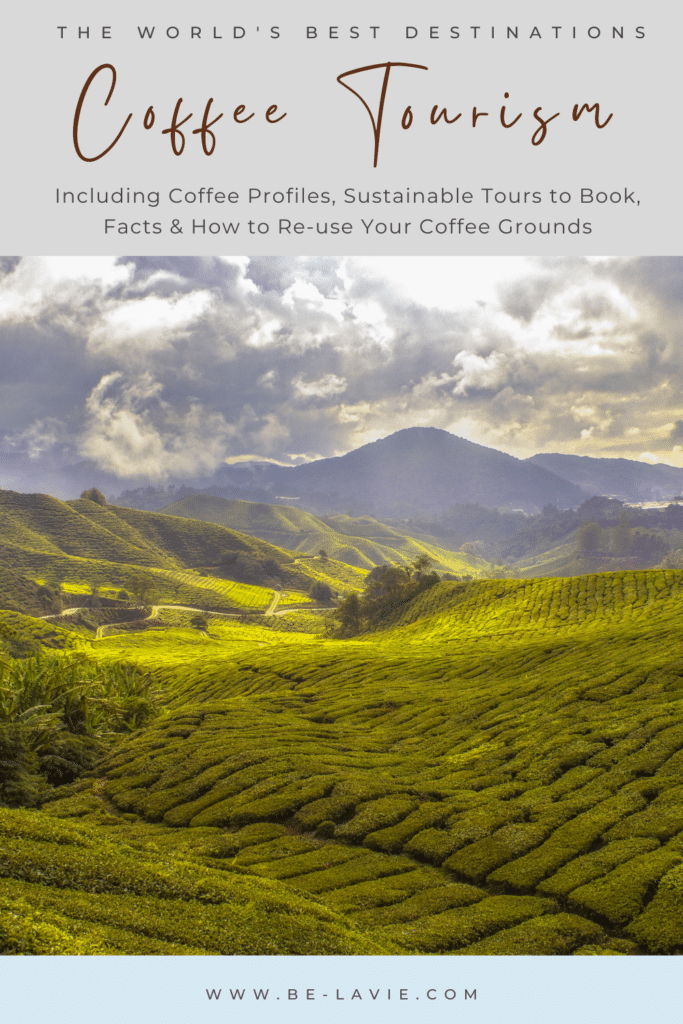
Pin & Save

Camilla
Love reading this post! I am mostly a tea drinker but in Sweden you have to enjoy a cup of coffee too. Optiat does face scrubs containing coffee. Just thought of it as you mentioned the cleaning scrub. Great list you made. The pictures look fantastic too, want to go!
Bejal
CamillaThanks so much Camilla. Thats so kind of you! Oh I had never heard of that brand but I will check them out now thankyou. Aww I hope you can go visit a coffee plantation one day.
Scott
Coffee and travel, my two favourite things. What a great and interesting post. X
Bejal
ScottYesss, that’s because you have great taste in both Scott! Thanks for reading and dropping by!
Krupali
So interesting and well summarised Bejal! Need a cup of coffee now!
Bejal
KrupaliAww thankyou for your comment Krupali. Hope you got your coffee, Mondays can be tough!
Louise
My goodness you really know a LOT about coffee, B
I have heard about wine travel (obviously) but never coffee travel! It does make sense though thinking about how important coffee is to some (like Frenchie) ????
Bejal
LouiseAww thanks Louise for your comment! I think Frenchie would love it in that case. Prepare for some fab holidays in the future!
Diary of a Londoness
Wow, that’s what I call a caffeinated post! The Antigua Volcanic must pack quite the punch. I was lucky enough to visit some tea plantations in Kerala, but never had the pleasure of doing a coffee trail. You certainly visited some interesting countries along the way (and produced stunning visuals, as always.)
Bejal
Diary of a LondonessHaha it sure is! I have been to a couple of tea plantations and find them fascinating but never visited Kerala before.I tend to always look for coffee related tours if the region has them but great memories and so so interesting to be out there withe the farmers.
Laura
Of all the places I have done I have never done a coffee tour or tasting and I love the stuff! A great read
Bejal
LauraOhh you must! It’s really informative as well and you can learn some Barista skills too